Where Did the Nile River Start? Solving the Ancient Mystery of Its Source
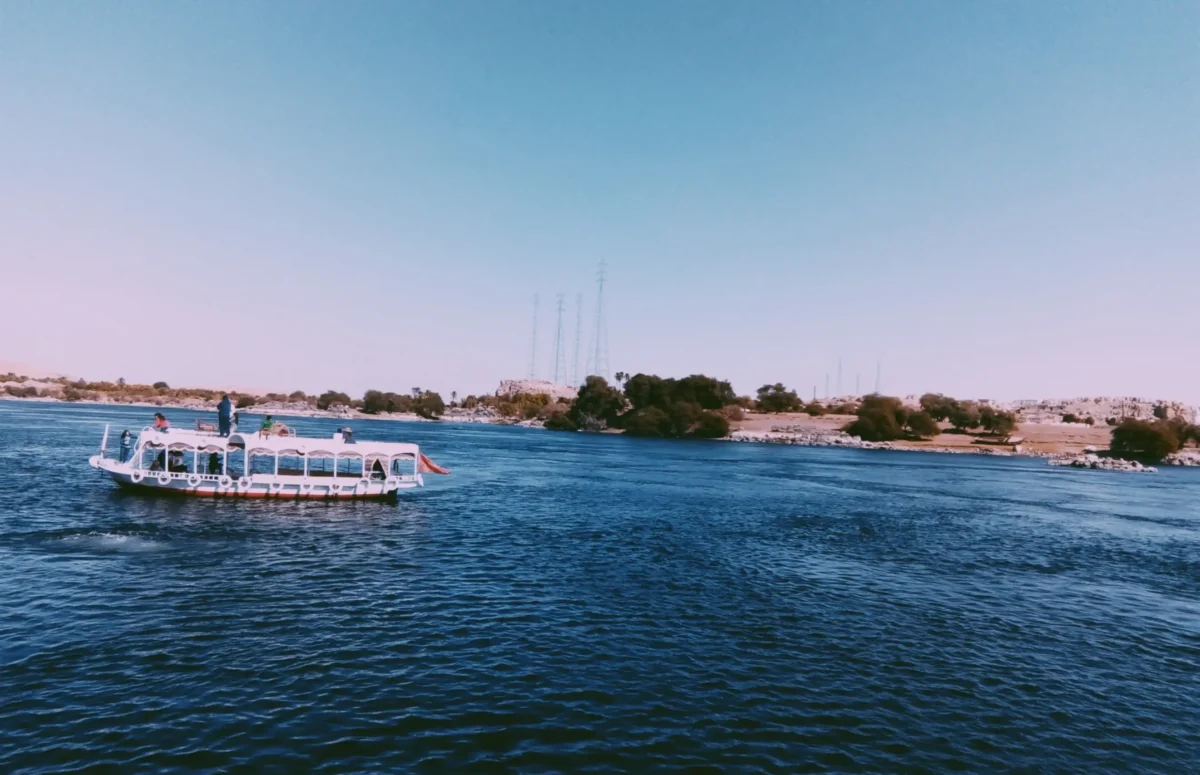
Many people still ask where did the Nile River start, a question that puzzled explorers, geographers, and historians for centuries. The Nile’s origin is not just a single point on a map but a story that winds through lakes, highlands, and distant tributaries in East Africa. Understanding where the Nile River started helps explain its immense length, its steady flow, and its vital role in shaping African civilizations.
where did the nile river start?
The Nile River started in East Africa, with its most widely accepted origin being Lake Victoria. This massive freshwater lake—shared by Uganda, Kenya, and Tanzania—feeds the White Nile, which is considered the Nile’s primary and longest source.
However, the Nile does not have just one simple starting point. In reality, it begins from two major source regions:
The White Nile Source
The White Nile starts at Lake Victoria and flows north through Uganda and South Sudan. Because it provides a steady, year-round flow of water, it is recognized as the main source of the Nile River.
The Blue Nile Source
The Blue Nile begins at Lake Tana in the Ethiopian Highlands. While shorter, it contributes most of the Nile’s water and fertile sediment during the rainy season.
These two rivers meet in Khartoum, Sudan, forming the main Nile that continues north to Egypt and the Mediterranean Sea. This is why the answer to where did the Nile River start involves multiple locations rather than a single point.
Why the Source Was a Mystery for Millennia?
For thousands of years, the question where did the Nile River start remained one of the greatest geographical mysteries in the world. Ancient civilizations depended on the Nile for survival, yet its true source lay far beyond the reach of early explorers.
Remote and Inaccessible Regions
The Nile flows through dense jungles, vast swamps, and rugged highlands in Central and East Africa. Areas such as the Sudd swamp in South Sudan were extremely difficult to cross, preventing ancient travelers from following the river to its origin.
Limited Exploration Tools
Early explorers lacked accurate maps, navigation tools, and scientific instruments. Without modern surveying technology, measuring distance and tracing river systems over long stretches was nearly impossible.
Conflicting Accounts and Theories
Ancient Greek and Roman scholars proposed many theories about the Nile’s origin, including underground springs and mythical mountains. These ideas persisted because no one could verify them through direct exploration.
Political and Environmental Barriers
Hostile terrain, disease, and resistance from local kingdoms often stopped expeditions from traveling farther upstream. These challenges kept the Nile’s source hidden well into the modern era.
Discovery in the Modern Age
It was not until the 19th century that European explorers identified Lake Victoria and Lake Tana as key source regions. These discoveries finally helped answer the long-standing question of where the Nile River started.
Read:
Where the Two Niles Meet?
The White Nile and the Blue Nile meet in Khartoum, the capital city of Sudan. This famous meeting point is known as the Confluence of the Niles and marks the formation of the main Nile River that continues its journey north toward Egypt and the Mediterranean Sea.
The White Nile at Khartoum
The White Nile arrives in Khartoum from the south, carrying a steady and consistent flow of water from Lake Victoria. Its lighter-colored water reflects its lower sediment content.
The Blue Nile at Khartoum
The Blue Nile flows into Khartoum from the southeast, originating in the Ethiopian Highlands. During the rainy season, its darker, sediment-rich water is clearly visible as it meets the White Nile.
Significance of the Confluence
This meeting point is geographically and historically important. It:
-
Defines the start of the main Nile River
-
Influenced the growth of Khartoum as a major city
-
Symbolizes the union of two different river systems
Understanding where the two Niles meet helps complete the picture of where did the Nile River start and how its great journey across Africa truly begins.
The Role of the Kagera River in Burundi and Rwanda
The Kagera River plays a crucial role in explaining where did the Nile River start, as it is considered the farthest headstream of the White Nile. This makes it one of the most important rivers in the entire Nile River system.
Origin of the Kagera River
The Kagera River originates from tributaries in Burundi and Rwanda, particularly from rivers flowing out of the highlands near Lake Rweru and the Nyungwe Forest region. These high-elevation sources are often identified as the most distant origins of the Nile, even farther south than Lake Victoria.
Flow Toward Lake Victoria
After forming in Burundi and Rwanda, the Kagera River flows northward and eastward, forming part of the border between Rwanda and Tanzania, and later between Tanzania and Uganda. It eventually empties into Lake Victoria, feeding the White Nile.
Why the Kagera River Matters
The Kagera River is significant because:
-
It represents the southernmost source of the Nile system
-
It helps define the true starting point of the Nile’s longest course
-
It supplies water to communities, agriculture, and ecosystems in Burundi and Rwanda
Completing the Nile’s Origin Story
While Lake Victoria is commonly cited as the Nile’s source, the Kagera River shows that the answer to where did the Nile River start extends deeper into Central Africa. Its role highlights the complexity of tracing the Nile’s true beginnings.
Also read:
Can You Visit the Source of the Nile Today?
Yes, you can visit the source of the Nile today, and it has become a popular destination for travelers interested in history, geography, and adventure. However, because the Nile has multiple source regions, there is more than one place associated with its origin.
Jinja, Uganda – The Most Famous Source
The most commonly recognized and visited source is in Jinja, Uganda, where the Nile flows out of Lake Victoria. This site is well developed for tourism and features monuments, boat tours, and viewing platforms marking the traditional source of the White Nile.
Exploring the Kagera Headwaters
For those seeking the most distant source of the Nile, travel can extend to parts of Rwanda and Burundi, where tributaries of the Kagera River begin. These areas are less touristy and require more effort to reach, but they represent the true starting point of the Nile’s longest path.
Accessibility and Travel Experience
-
Jinja is easily accessible and safe for visitors
-
Kagera River headwaters are remote and best visited with local guides
-
Many sites offer cultural and eco-tourism experiences
A Journey to the Beginning
Visiting the source of the Nile offers a unique perspective on where did the Nile River start and how a small stream in Central Africa grows into one of the world’s greatest rivers.
Why Does the Nile Flow North?
The Nile flows north because of gravity and elevation, not because of its position on the map. Although many people assume rivers flow south, rivers actually flow from higher elevations to lower elevations, regardless of direction.
Higher Elevation in the South
The Nile begins in the highlands and plateaus of East Africa, including areas around Lake Victoria, the Ethiopian Highlands, and the Kagera River headwaters. These regions sit at a much higher elevation than northern Egypt.
Lower Elevation in the North
As the river travels north, the land gradually slopes downward toward the Mediterranean Sea, which lies at sea level. This natural decline in elevation causes the Nile to flow northward.
Unique but Not Unusual
While the Nile is famous for flowing north, it is not the only river in the world to do so. Rivers such as the Rhine and the Red River also flow north due to similar elevation patterns.
A Key Part of the Nile’s Identity
Understanding why the Nile flows north helps clarify where did the Nile River start and how its journey from high African landscapes to the Mediterranean is guided entirely by Earth’s natural topography.
How Long Does It Take for Water to Travel from Lake Victoria to Egypt?
Water from Lake Victoria does not reach Egypt quickly. In fact, it can take several months to many years for water to travel the full distance from Lake Victoria to Egypt, depending on flow conditions, rainfall, and human regulation along the river.
Average Travel Time
Most scientific estimates suggest it takes about 3 to 5 years for water to move from Lake Victoria through the White Nile and into Egypt under normal conditions.
Why It Takes So Long
Several factors slow the journey:
-
Lakes and reservoirs such as Lake Kyoga and Lake Albert store water for long periods
-
The Sudd swamp in South Sudan absorbs and releases water very slowly
-
Dams and regulation structures control river flow
-
Seasonal variations affect water speed
Comparison with the Blue Nile
Water from the Blue Nile reaches Egypt much faster—often in weeks to a few months—because it flows down steep highlands without large wetlands slowing it down.
What This Tells Us About the Nile
The long travel time highlights how complex the Nile system is and helps explain where did the Nile River start and why the White Nile provides such a stable, year-round flow.
Best 2026 Cruises from Aswan to Luxor
Best for romance / calm / boutique
-
Dahabiya-style cruises (small, sail-focused, fewer crowds, often 4–5 nights)
Best for luxury comfort + reliable departures
-
High-end motor ships (look for recently refurbished ships, strong reviews on food/cabins, and included Egyptologist guiding)
Best for value
-
Mid-range motor ships with excellent guiding + updated cabins (choose based on recent reviews, not brand name)
Suggested:
FAQ
How long is a typical cruise from Aswan to Luxor?
Most Aswan to Luxor Nile cruises last 3 to 4 nights. Dahabiya cruises often take 4 to 5 nights because they sail more slowly and include extra stops.
What is the best time in 2026 to take a Nile cruise?
The best time is between October and April, when temperatures are cooler and sightseeing is more comfortable. December to February is peak season, while March–April offers good weather with fewer crowds.
What is the difference between a dahabiya and a motor ship?
A dahabiya is a small, traditional sailing boat with fewer cabins and a quieter, more intimate experience. A motor ship is larger, offers more amenities, and has more frequent departures.
Are Nile cruises from Aswan to Luxor safe?
Yes, Nile cruises are generally very safe, especially on well-established routes between Aswan and Luxor. Tourism security is strong, and cruises are a common way to explore Upper Egypt.
Do Nile cruises include guided tours?
Most quality cruises include guided tours with a licensed Egyptologist, along with transportation to major temples and archaeological sites.
What attractions are visited on the cruise?
Common stops include Philae Temple (Aswan), Kom Ombo, Edfu Temple, Karnak Temple, Luxor Temple, and the Valley of the Kings.
Are meals included on Nile cruises?
Yes, most cruises include full board (breakfast, lunch, and dinner). Drinks may or may not be included, depending on the cruise package.
Is a Nile cruise suitable for families or older travelers?
Yes. Luxury motor ships are especially suitable for families and older travelers due to stable sailing, elevators on some ships, and organized excursions.
How far in advance should I book a 2026 Nile cruise?
For the best choice of ships and cabins, it’s recommended to book 6–9 months in advance, especially for peak travel months.
Conclusion




Leave a Reply