Where is the Fertile Heart? Everything About Nile River Delta Location
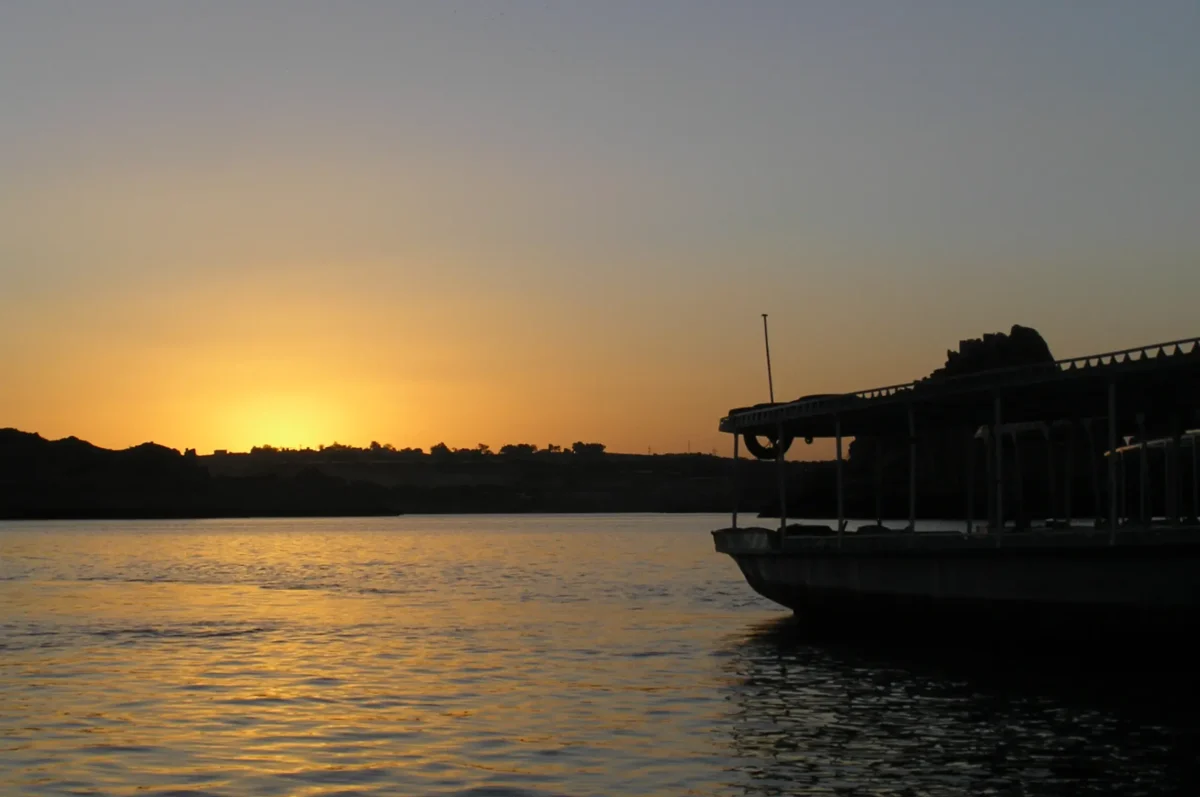
Nile River delta location is one of the most important geographic features in Egypt and the wider Mediterranean region. Situated in northern Egypt, the Nile Delta is where the world’s longest river fans out into multiple branches before flowing into the Mediterranean Sea. This fertile region has supported agriculture, settlements, and civilizations for thousands of years, making its location both geographically and historically significant.
nile river delta location
The Nile River delta location is in northern Egypt, where the Nile River spreads out and empties into the Mediterranean Sea. This delta marks the final stretch of the Nile’s long journey across Africa.
Geographic Position
The Nile River Delta is located:
-
North of Cairo
-
Between the cities of Alexandria (west) and Port Said (east)
-
Along Egypt’s Mediterranean coastline
It forms a wide, triangular-shaped region that is easily visible on maps.
Key Branches of the Delta
At the delta, the Nile splits into two main distributaries:
-
The Rosetta (Rashid) Branch to the west
-
The Damietta Branch to the east
These branches carry water and sediment into the Mediterranean Sea.
Why the Location Is Important
The Nile River delta location is crucial because:
-
It contains Egypt’s most fertile agricultural land
-
It supports a large percentage of the country’s population
-
It has been the heart of Egyptian civilization since ancient times
In simple terms, the Nile River Delta is located in northern Egypt at the Mediterranean coast, making it one of the most vital regions in the country.
Geography of the Nile Delta
The geography of the Nile Delta is defined by its flat terrain, fertile soils, and strategic position along the Mediterranean coast. This unique landscape has made the delta one of the most important regions in Egypt for thousands of years.
Location and Shape
The Nile Delta is located in northern Egypt, stretching from Cairo in the south to the Mediterranean Sea in the north.
-
It has a triangular or fan-shaped form
-
Covers an area of roughly 22,000 square kilometers
-
Widens as it approaches the coast
Landforms and Terrain
The delta is characterized by:
-
Low-lying, flat land, ideal for agriculture
-
Extensive alluvial plains formed by Nile sediments
-
Minimal elevation, with some areas only slightly above sea level
River Branches and Channels
The Nile divides into two main branches within the delta:
-
Rosetta (Rashid) Branch in the west
-
Damietta Branch in the east
In addition, the delta contains a network of canals, irrigation channels, and distributaries that support farming and settlements.
Soil and Fertility
The geography of the Nile Delta includes:
-
Rich alluvial soil deposited over thousands of years
-
High agricultural productivity
-
Natural fertility that historically supported ancient Egyptian civilization
Climate Influence
The delta experiences a Mediterranean climate:
-
Mild, wet winters
-
Warm, humid summers
-
More rainfall than the rest of Egypt
Together, these geographic features explain why the Nile River delta location remains one of the most densely populated and agriculturally important regions in Egypt.
Read:
The Two Branches
The two branches of the Nile Delta are the final channels through which the Nile River flows before reaching the Mediterranean Sea. These branches play a vital role in shaping the Nile River delta location and supporting life in northern Egypt.
The Rosetta (Rashid) Branch
-
Located on the western side of the delta
-
Flows north toward the city of Rosetta (Rashid)
-
Historically important for trade and agriculture
-
Supplies water to large farming areas in the western delta
The Damietta Branch
-
Located on the eastern side of the delta
-
Flows north toward the city of Damietta
-
Passes near major urban centers and agricultural zones
-
Supports irrigation and fishing activities in the eastern delta
Historical Changes
In ancient times, the Nile Delta had several branches, but over centuries:
-
Natural sedimentation
-
Human intervention and irrigation control
reduced them to the two main branches seen today.
Together, the Rosetta and Damietta branches define the modern shape of the delta and explain why the Nile River delta location remains essential for Egypt’s agriculture, population, and economy.
Major Cities in the Nile Delta Region
The Nile Delta region is home to some of Egypt’s most important cities, thanks to its fertile land and strategic Nile River delta location. These cities play key roles in agriculture, industry, trade, and history.
Alexandria
-
Located on the western edge of the Nile Delta along the Mediterranean Sea
-
Egypt’s second-largest city and a major port and industrial center
-
Historically significant as a center of learning and trade since ancient times
Cairo
-
Situated at the southern edge of the Nile Delta
-
Acts as the gateway between Upper Egypt and Lower Egypt
-
Egypt’s capital and largest city, with major political and economic influence
Giza
-
Adjacent to Cairo on the western side of the Nile
-
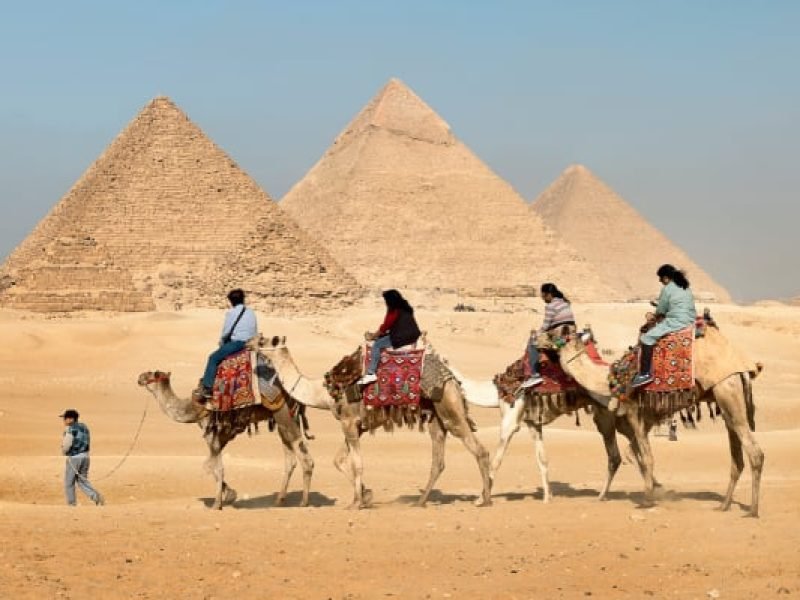
Famous for the Pyramids of Giza
-
Part of the greater Cairo metropolitan area within the delta region
Tanta
-
Located in the central Nile Delta
-
An important agricultural and commercial hub
-
Known for food processing and textile industries
Mansoura
-
Situated along the Damietta Branch
-
A key center for education, agriculture, and healthcare
-
Serves much of the eastern delta population
Damietta
-
Located near the Mediterranean coast at the mouth of the Damietta Branch
-
Famous for furniture manufacturing and fishing
-
A vital port city in the delta
These cities highlight why the Nile River delta location has always attracted dense populations and economic activity, making it one of the most vital regions in Egypt.
Historical Significance of the Nile Delta in Ancient Egypt
The Nile Delta played a central role in the rise and success of ancient Egyptian civilization, largely because of its fertile land and strategic Nile River delta location.
Cradle of Early Settlement
The delta was one of the earliest settled regions in Egypt.
-
Abundant water and fertile soil supported early farming communities
-
Reliable food production allowed permanent settlements to grow
-
Villages eventually developed into major towns and cities
Agricultural Powerhouse
The annual Nile floods deposited nutrient-rich silt across the delta.
-
This made the region ideal for growing wheat, barley, flax, and vegetables
-
The delta became the breadbasket of ancient Egypt
-
Agricultural surplus supported population growth and state power
Political and Administrative Importance
Lower Egypt, which included the Nile Delta, was:
-
One of the two main regions of ancient Egypt (Lower and Upper Egypt)
-
A key center of royal administration and governance
-
Home to several ancient capitals, including Memphis, near the delta’s southern edge
Trade and Foreign Contact
Because of its location:
-
The delta connected Egypt to the Mediterranean world
-
Trade routes linked Egypt with the Levant, Africa, and Europe
-
Goods, ideas, and cultural influences flowed through delta ports
Religious and Cultural Influence
The Nile Delta housed:
-
Important temples and religious centers
-
Sacred sites associated with major Egyptian gods
-
Mythological importance tied to creation and fertility
The historical importance of the delta shows why the Nile River delta location was not just geographically valuable, but essential to the political, economic, and cultural foundations of ancient Egypt.
Is the Nile Delta Worth Visiting in 2026?
-
You want “everyday Egypt”: local markets, farming landscapes, smaller cities, less-touristy vibes than Cairo/Luxor.
-
You’re into history beyond the headline sites: layered Greco-Roman, Coptic, and Islamic heritage scattered across the region.
-
You like food + crafts: coastal seafood, delta produce, and traditional industries (some cities are known for specific crafts).
What to see and do in the Nile Delta
-
Alexandria (western edge of the delta): Mediterranean atmosphere, historic neighborhoods, museums, waterfront walks.
-
Rosetta (Rashid): Ottoman-era architecture and a quieter historic-town feel near the Rosetta branch.
-
Damietta: coastal culture, fishing, and local crafts; good for a “working port city” experience.
-
Day trips from Cairo: you can sample delta life without changing hotels, depending on where you base yourself.
Reasons some travelers skip it
-
Fewer “iconic” ancient monuments compared with Upper Egypt
-
Some areas feel more industrial/agricultural than scenic
-
Navigation can be slower (traffic + local transport)
How to decide for 2026 (quick checklist)
-
Check your government’s travel advisory for Egypt and specific governorates.
-
Confirm museum/site hours and any permit requirements with your hotel/guide.
-
If you want the easiest experience, consider a licensed driver or guided day trip from Cairo or Alexandria.
Also read:
How to See the Nile Delta: Best Day Trips from Cairo?
Seeing the Nile Delta from Cairo is easy and rewarding, especially if you’re short on time. Thanks to the delta’s close proximity, several destinations can be explored comfortably as day trips, offering history, local culture, and a deeper understanding of the Nile River delta location.
Rosetta (Rashid) – History and Architecture
-
About 3 hours from Cairo
-
Famous for Ottoman-era houses and historic mosques
-
Located near the Rosetta Branch of the Nile
-
Ideal for travelers interested in architecture and quiet historic towns
Tanis (San el-Hagar) – Ancient Ruins
-
Around 2.5–3 hours from Cairo
-
Important archaeological site of the 21st and 22nd Dynasties
-
Features temple ruins, statues, and royal tombs
-
Best for history lovers seeking lesser-known ancient sites
Tanta – Heart of the Delta
-
Roughly 1.5 hours from Cairo
-
A major agricultural and religious center
-
Home to the Ahmad al-Badawi Mosque
-
Good for experiencing everyday life in the central delta
Mansoura – Along the Damietta Branch
-
About 2 hours from Cairo
-
Situated on the Damietta Branch of the Nile
-
Offers river views, local markets, and a relaxed urban atmosphere
-
Ideal for cultural immersion rather than major monuments
How to Travel
-
Private car or driver: Most flexible and time-efficient
-
Train: Affordable and reliable for cities like Tanta and Mansoura
-
Guided tours: Best for archaeological sites like Tanis
Best Time for Day Trips
-
October to April for cooler temperatures
-
Start early to avoid traffic and maximize daylight
Day trips from Cairo are an excellent way to explore the Nile River delta location without long travel times, adding depth and local flavor to any Egypt itinerary.
Related:
Book a Private Day Tour to Rosetta
Booking a private day tour to Rosetta (Rashid) is one of the best ways to explore the Nile River delta location in depth while traveling comfortably from Cairo. Rosetta offers a unique mix of history, architecture, and local life that is often missed on standard tourist routes.
Why Choose a Private Tour?
A private day tour allows you to:
-
Travel at your own pace without group schedules
-
Enjoy door-to-door transportation from Cairo
-
Explore lesser-known sites with more time and flexibility
-
Receive personalized explanations from a knowledgeable guide
What You’ll See in Rosetta
A typical private tour includes:
-
Historic Ottoman houses, some of the best preserved in Egypt
-
The Citadel of Qaitbay (Rosetta Fort), where the Rosetta Stone was discovered
-
Traditional mosques and narrow streets reflecting medieval urban design
-
Views of the Rosetta Branch near the Mediterranean coast
Travel Time and Duration
-
Approximate travel time: 3 hours each way
-
Full tour duration: 8–10 hours
-
Ideal as a long but rewarding day trip from Cairo
Best Time to Visit
-
October to April for cooler, more comfortable weather
-
Early departure is recommended to avoid traffic and enjoy a full day
Who This Tour Is Best For
-
Travelers interested in history beyond ancient temples
-
Visitors who want to experience local Delta culture
-
Those seeking a quieter alternative to Egypt’s major tourist sites
A private day tour to Rosetta adds cultural depth to any Egypt itinerary and offers a meaningful way to experience the human and historical importance of the Nile River delta location.
Suggested:
FAQ
Where is the Nile River Delta located?
The Nile River delta location is in northern Egypt, where the Nile River spreads out and flows into the Mediterranean Sea, north of Cairo and between Alexandria and Port Said.
Can the Nile Delta be visited as a day trip from Cairo?
Yes, many parts of the Nile Delta can be visited as day trips from Cairo, including Rosetta (Rashid), Tanta, Mansoura, and archaeological sites like Tanis.
Is Rosetta worth visiting on a private day tour?
Yes, Rosetta is worth visiting for its well-preserved Ottoman architecture, historical importance linked to the Rosetta Stone, and its location along the Rosetta Branch of the Nile.
What is the best way to explore the Nile Delta?
The best ways include:
-
Private car or guided tour for flexibility
-
Train travel for major delta cities
-
Guided tours for archaeological sites and historical towns
When is the best time to visit the Nile Delta?
The best time is from October to April, when temperatures are cooler and more comfortable for sightseeing and day trips.
Why is the Nile Delta important to Egypt?
The Nile Delta is Egypt’s most fertile and densely populated region, historically serving as the agricultural, economic, and cultural heart of the country since ancient times.
Conclusion


Leave a Reply