The Ultimate Guide to Visiting Nefertiti Tomb Valley Of the Queens in 2026
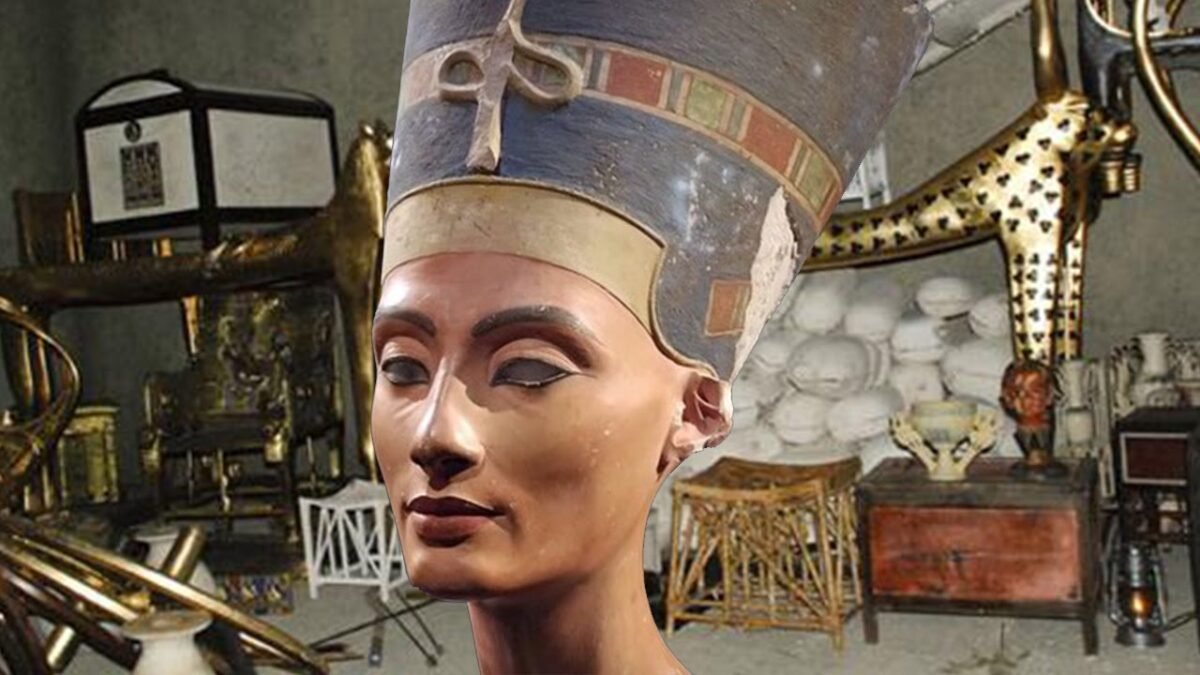
The mystery surrounding the Nefertiti tomb Valley of the Queens continues to captivate historians, archaeologists, and travelers alike. For decades, researchers have debated whether the legendary queen’s final resting place could be hidden within this royal burial ground near Luxor. With ongoing excavations and new technologies revealing hidden chambers across ancient Egypt, interest in Nefertiti’s possible connection to the Valley of the Queens has only grown stronger.
Overview of Nefertiti Tomb Valley of the Queens
The theory of a Nefertiti tomb Valley of the Queens connection has intrigued scholars for years. The Valley of the Queens, located on the west bank of the Nile near Luxor, served as the burial site for queens, royal children, and high-ranking nobles during Egypt’s New Kingdom (1550–1070 BCE). With over 90 tombs discovered in this valley, it remains one of Egypt’s most significant archaeological sites.
The Historical Context
Queen Nefertiti, the powerful wife of Pharaoh Akhenaten, lived during the 18th Dynasty. She played a central role in Egypt’s religious transformation, supporting the worship of the sun disk Aten. Despite her prominence, the exact location of her tomb remains unknown. This mystery has led to speculation about whether her burial could be hidden in the Valley of the Queens or elsewhere in the Theban necropolis.
Why the Valley of the Queens?
The Valley of the Queens was traditionally reserved for royal women and children, making it a logical location to investigate in the search for Nefertiti’s tomb. Some researchers argue that if Nefertiti retained her royal status after Akhenaten’s reign, she may have been honored with burial in this sacred valley.
However, others believe she may have been buried in Amarna, the city established by Akhenaten, or possibly in the Valley of the Kings if she ruled as pharaoh after her husband’s death.
Ongoing Debate and Archaeological Interest
Modern archaeological tools, including ground-penetrating radar and digital imaging, continue to fuel discussions about hidden chambers in Egypt’s royal valleys. While no confirmed evidence links Nefertiti’s tomb directly to the Valley of the Queens, the possibility remains one of the most fascinating mysteries in Egyptology.
Inside Tomb of Queen Nefertari
While discussions about the Nefertiti tomb Valley of the Queens continue, the most spectacular and fully explored royal burial in this valley is the tomb of Queen Nefertari (QV66). Her tomb offers valuable insight into how a queen of Egypt’s New Kingdom was honored in death.
A Masterpiece of Ancient Egyptian Art
The tomb of Queen Nefertari, wife of Pharaoh Ramses II, is often described as the most beautiful tomb in Egypt. Discovered in 1904 by Italian archaeologist Ernesto Schiaparelli, it features vibrant wall paintings that remain remarkably well preserved.
The artwork covers nearly every surface — walls, ceilings, and pillars — with vivid scenes painted in red, blue, yellow, and green. These paintings illustrate Nefertari’s journey through the afterlife, guided by gods such as Isis, Osiris, Hathor, and Anubis.
Religious Symbolism and Afterlife Beliefs
Inside the tomb, scenes from the Book of the Dead depict Nefertari undergoing trials and rituals necessary to reach eternal life. One famous image shows her playing the game of senet, symbolizing her passage into the afterlife.
The ceiling is painted deep blue and decorated with golden stars, representing the night sky and eternity. This celestial imagery emphasizes the belief that the queen would join the divine realm among the gods.
Architectural Layout
The tomb descends through a stairway into a series of chambers, ending in a large burial hall supported by pillars. The sarcophagus once rested in this chamber, though many original treasures were lost in antiquity.
Although Nefertari’s tomb is located in the Valley of the Queens and not connected directly to the unresolved mystery of Nefertiti’s burial, it provides a powerful example of how royal women were honored. Understanding tombs like QV66 helps scholars evaluate theories about where a queen as influential as Nefertiti might have been laid to rest.
Check these cruise:
The experience in the tomb
Stepping inside a royal burial chamber in the Valley of the Queens is unlike visiting any ordinary historical site. When people explore tombs connected to the mystery of the Nefertiti tomb Valley of the Queens, they are not just walking through stone corridors — they are entering a sacred space designed for eternity.
A Descent into Silence
The experience begins with a gradual descent down carved stairways. The air becomes cooler, quieter, and heavier with history. Unlike the vast temples of Luxor, tomb interiors feel intimate and enclosed. Every step echoes softly, creating a powerful sense of stillness.
This descent symbolized the journey from the world of the living to the realm of the dead — a transition the ancient Egyptians believed was carefully guided by rituals and divine protection.
Walls That Tell a Story
Inside tombs such as that of Queen Nefertari, the walls are alive with color. Even after more than 3,000 years, the reds, blues, and golds remain striking. Visitors often describe feeling surrounded by art rather than architecture.
Hieroglyphs, deities, and sacred symbols are not random decorations. They form a spiritual map for the queen’s afterlife journey. Every image has purpose, from protective gods standing guard to scenes of rebirth and transformation.
An Emotional Connection to Ancient Egypt
For many visitors, the most powerful part of the experience is the emotional impact. Standing in a space built for a queen creates a direct connection to Egypt’s New Kingdom. It also deepens curiosity about unresolved mysteries — including whether the long-lost tomb of Nefertiti could one day offer a similar experience.
The Valley of the Queens allows travelers to witness how royal women were honored, preserved, and immortalized. Until the true location of Nefertiti’s burial is confirmed, tombs like these provide the closest glimpse into what her eternal resting place might have looked like.
Photography inside the tomb
When exploring sites connected to the mystery of the Nefertiti tomb Valley of the Queens, many visitors naturally want to capture the moment. However, photography inside royal tombs—especially in the Valley of the Queens—comes with strict regulations designed to protect these fragile treasures.
Why Photography Is Restricted
The wall paintings inside tombs such as Queen Nefertari’s are incredibly delicate. Light exposure, particularly from flash photography, can gradually fade pigments that have survived for more than 3,000 years. Even body heat and humidity from visitors contribute to deterioration over time.
To preserve these masterpieces, Egyptian authorities often prohibit flash photography or restrict photography altogether in certain tombs.
Current Rules and Permits
Photography policies can change depending on conservation efforts. In many cases:
-
Flash photography is strictly forbidden.
-
Mobile phone photography may require a special ticket.
-
Professional cameras may require an additional permit.
For highly sensitive tombs like QV66 (Nefertari), access itself is limited, and photography rules are even more tightly controlled.
Before visiting, it’s always best to check the latest regulations through official tourism channels or your tour operator.
Experiencing the Moment Beyond the Lens
Many travelers find that putting the camera away enhances the experience. The vivid colors, sacred imagery, and quiet atmosphere inside the tomb create a powerful memory that often feels more meaningful than a photograph.
While the search for the Nefertiti tomb in the Valley of the Queens continues to spark global curiosity, preserving existing royal tombs remains a top priority. Responsible tourism ensures that future generations can experience these extraordinary spaces just as we do today.
Also check these cruise:
The history of Queen Nefertari
Although the mystery of the Nefertiti tomb Valley of the Queens continues to fascinate historians, one queen whose story is beautifully preserved in this valley is Queen Nefertari. Her life offers a remarkable glimpse into the power, influence, and prestige royal women held during Egypt’s New Kingdom.
Who Was Queen Nefertari?
Queen Nefertari was the Great Royal Wife of Pharaoh Ramses II, one of ancient Egypt’s most powerful rulers of the 19th Dynasty (reigned 1279–1213 BCE). Her full name, Nefertari Meritmut, means “Beautiful Companion, Beloved of the Goddess Mut.”
Unlike many queens who remain in the background of history, Nefertari appears prominently in temple reliefs and monuments. Ramses II clearly held her in high esteem, referring to her as “the one for whom the sun shines.”
Her Political and Religious Role
Nefertari was more than a symbolic royal spouse. She likely played an important diplomatic role, especially in maintaining peace between Egypt and the Hittites. Some surviving correspondence suggests she communicated directly with foreign rulers’ courts.
Religiously, she was closely associated with the goddess Hathor, the deity of love, beauty, and motherhood. At Abu Simbel, Ramses II built a grand temple dedicated not only to himself but also to Nefertari — an extraordinary honor that reflects her status.
Her Tomb in the Valley of the Queens
After her death, Nefertari was buried in QV66 in the Valley of the Queens. Her tomb is widely considered one of the most magnificent in Egypt, famous for its vibrant wall paintings depicting her journey through the afterlife.
The artistry and scale of her burial highlight the reverence Ramses II had for her. Today, her tomb stands as one of the clearest examples of how royal women were honored — offering valuable context when exploring theories about where other legendary queens, such as Nefertiti, may have been buried.
Queen Nefertari’s legacy lives on not only in stone and pigment but in the enduring admiration of visitors who step into her beautifully decorated eternal home.
Related:
So is Nefertari’s tomb worth it?
If you’re exploring the Valley of the Queens while researching the mystery of the Nefertiti tomb Valley of the Queens, one question naturally comes up: is visiting Queen Nefertari’s tomb truly worth it?
For most travelers, the answer is a strong yes.
A Once-in-a-Lifetime Experience
Nefertari’s tomb (QV66) is often described as the “Sistine Chapel of Ancient Egypt.” The colors are astonishingly vibrant, the artwork is detailed and expressive, and the atmosphere feels intimate rather than overwhelming.
Unlike larger temples, this tomb allows you to stand just inches away from 3,000-year-old masterpieces. You don’t just observe history — you feel surrounded by it.
The Cost vs. The Value
Entry to Nefertari’s tomb is significantly more expensive than most other tombs in Luxor. Access is limited to protect the delicate paintings, and visitor numbers are controlled.
However, many visitors say the higher ticket price enhances the experience:
-
Fewer crowds
-
More time to observe details
-
A quieter, more personal atmosphere
If you deeply appreciate art, history, or ancient Egyptian culture, the value often outweighs the cost.
A Glimpse Into Royal Burial Practices
While the search for Nefertiti’s final resting place continues, Nefertari’s tomb provides the clearest example of how a powerful queen of the New Kingdom was honored in death. It helps you visualize what a royal burial could have looked like — rich in symbolism, color, and sacred meaning.
For history lovers, photographers (within regulations), and cultural travelers, Nefertari’s tomb is not just worth it — it’s unforgettable.
Getting to the Valley of the Queens
The Valley of the Queens sits on Luxor’s West Bank, not far from other big-name sites like the Valley of the Kings and Hatshepsut’s Temple. If you’re building an itinerary around the Nefertiti tomb Valley of the Queens mystery (and the wider royal necropolis), it’s a pretty easy add-on logistically.
Where it is
-
Location: West Bank of Luxor (ancient Thebes necropolis)
-
Closest “base”: Luxor city on the East Bank
Step 1: Cross to Luxor’s West Bank
Most visits start from central Luxor (East Bank). You have a few common ways to cross:
-
Taxi/Private car via bridge: The simplest—many drivers take you over the bridge to the West Bank and onward to the sites.
-
Public ferry/boat across the Nile: Often the cheapest and most “local” feeling option, then you continue by taxi or tuk-tuk from the West Bank side.
-
Hotel pickup / tour transport: Convenient if you want everything handled in one go.
Step 2: Get from the West Bank to the Valley of the Queens
Once you’re on the West Bank, you can reach the Valley of the Queens by:
-
Taxi (point-to-point): Best if you want flexibility and to combine sites.
-
Driver for half-day or full-day: Usually the smoothest option if you’re also doing Valley of the Kings, Medinet Habu, or Hatshepsut’s Temple.
-
Group tour: Good if you prefer a guide and a fixed schedule.
Best way to plan it with other sites
Because it’s all in the same general area, most people bundle it like this:
-
Option A (classic West Bank day): Valley of the Kings → Hatshepsut → Valley of the Queens
-
Option B (temples + tombs): Medinet Habu → Valley of the Queens → (optional) Deir el-Medina
Timing tips
-
Go early for cooler temperatures and fewer crowds.
-
If you’re aiming for Nefertari’s tomb (QV66), plan extra time—entry can be more controlled, and you’ll want to move slowly to take in the artwork.
Nefertari tomb entrance fee
If you’re planning a visit while exploring the mystery of the Nefertiti tomb Valley of the Queens, it’s important to know that Queen Nefertari’s tomb (QV66) has a separate and significantly higher entrance fee compared to other tombs in the area.
Why Is the Ticket More Expensive?
Nefertari’s tomb is considered one of the most beautifully decorated tombs in Egypt. Because of its fragile wall paintings and limited daily visitor numbers, authorities charge a premium ticket price to help:
-
Control crowd size
-
Fund conservation efforts
-
Protect the delicate artwork
The higher fee also ensures a quieter and more exclusive experience inside.
Current Entrance Fee (General Estimate)
While prices can change depending on tourism policies, currency fluctuations, and conservation measures, Nefertari’s tomb typically costs several times more than a standard Valley of the Queens ticket.
Important notes:
-
The ticket is separate from the general Valley of the Queens entry.
-
Student discounts (with valid ID) may apply.
-
Photography rules may require additional permission or fees.
Because pricing is subject to change, it’s always best to:
-
Check official Egyptian Ministry of Tourism sources
-
Ask your tour operator
-
Confirm at the Luxor ticket office
Is It Worth the Price?
Many travelers say yes. The limited access, vibrant paintings, and intimate setting make it one of the most memorable tomb visits in Egypt.
If you’re building your itinerary around royal burials — especially while exploring questions about the possible Nefertiti tomb in the Valley of the Queens — Nefertari’s tomb offers the clearest glimpse into how a powerful queen’s afterlife was honored.
Suggested:
Why is Nefertari’s tomb closed?
When researching the Nefertiti tomb Valley of the Queens mystery, many travelers also discover that access to Queen Nefertari’s tomb (QV66) is sometimes restricted or temporarily closed. The reason isn’t political or mysterious — it’s preservation.
1. Fragile Wall Paintings
Nefertari’s tomb contains some of the most delicate and vibrant wall paintings in all of Egypt. These artworks are over 3,000 years old, and even small environmental changes can damage them.
Factors that affect the tomb include:
-
Humidity from visitors’ breath
-
Body heat in enclosed chambers
-
Dust particles
-
Light exposure
Over time, these elements can cause fading, cracking, or pigment detachment.
2. Conservation and Restoration Work
The tomb has undergone major restoration projects in the past. Experts carefully stabilize plaster, reinforce weakened areas, and monitor microclimate conditions inside the chambers.
When conservation work is ongoing, authorities may temporarily close the tomb to prevent further stress on the artwork.
3. Controlled Visitor Access
Even when it is open, entry is highly controlled:
-
Limited number of visitors per day
-
Higher ticket price to reduce crowd pressure
-
Strict no-flash photography rules
These measures help ensure that the tomb remains intact for future generations.
Preservation Over Access
Unlike the unresolved search for Nefertiti’s burial, Nefertari’s tomb is a confirmed masterpiece of ancient Egypt. Protecting it takes priority over constant tourism access.
Closures are not permanent in most cases — they are protective. The goal is simple: to keep one of Egypt’s most beautiful royal tombs from suffering irreversible damage.
FAQ
Is Nefertiti buried in the Valley of the Queens?
There is no confirmed evidence that Nefertiti is buried in the Valley of the Queens. While the valley was used for royal women during the New Kingdom, most theories suggest she may have been buried in Amarna or possibly in the Valley of the Kings. The mystery of the Nefertiti tomb Valley of the Queens connection remains unresolved.
Why is Nefertari’s tomb so famous?
Queen Nefertari’s tomb (QV66) is famous for its incredibly well-preserved and vibrant wall paintings. The artwork illustrates her journey to the afterlife and is considered one of the finest examples of ancient Egyptian tomb art.
How much does it cost to enter Nefertari’s tomb?
Nefertari’s tomb requires a separate ticket and is significantly more expensive than other tombs in the Valley of the Queens. Prices can change, so visitors should check updated fees before their trip.
Why is Nefertari’s tomb sometimes closed?
The tomb may close temporarily for conservation and restoration. Because the paintings are fragile, visitor numbers are limited to protect the artwork from humidity, heat, and light damage.
Can you take photos inside Nefertari’s tomb?
Flash photography is strictly prohibited. In some cases, even non-flash photography may require special permission. Rules can change depending on preservation policies.
Is the Valley of the Queens worth visiting?
Yes. The Valley of the Queens offers a quieter and more intimate experience compared to the Valley of the Kings. It provides insight into how royal women were honored and buried, making it an essential stop for travelers interested in ancient Egyptian history.
Conclusion


Leave a Reply