Unveiling the Masterpiece: What is the Best Tomb in Valley of the Kings?
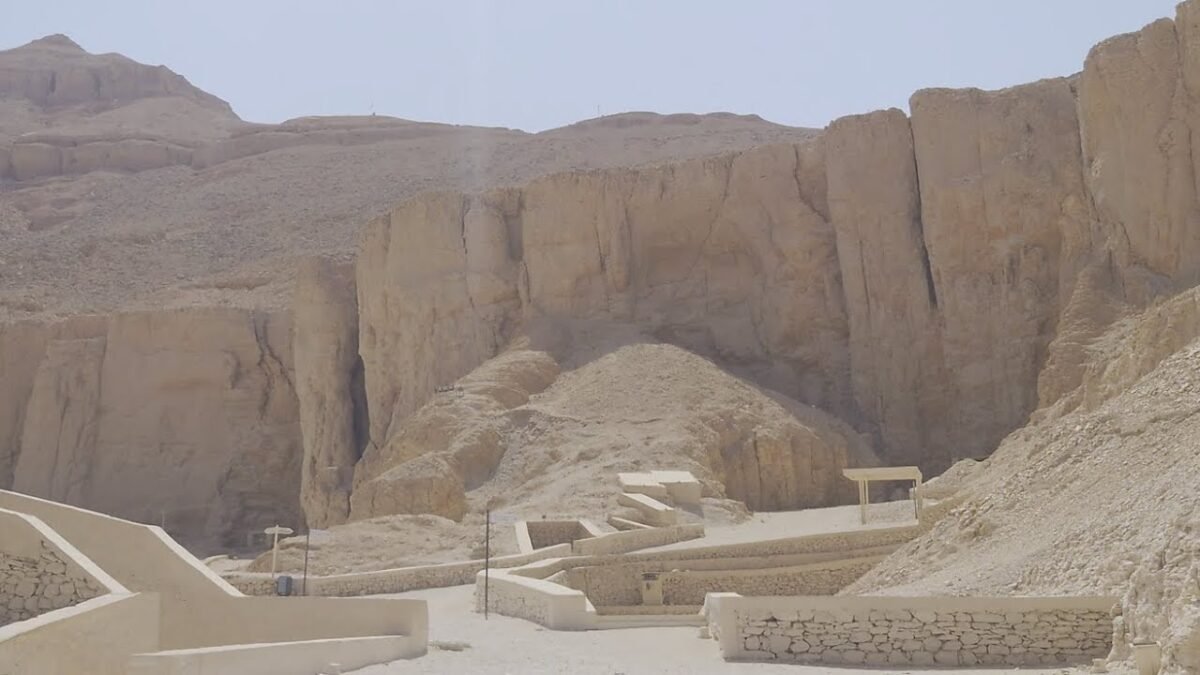
The best tomb in Valley of the Kings is a question that sparks debate among historians, travelers, and Egyptology enthusiasts alike. With over 60 royal tombs carved into the cliffs of Luxor’s West Bank, each one tells a unique story of power, belief, and artistry. Some impress with vivid wall paintings, others with architectural complexity, and a few with legendary discoveries like Tutankhamun’s treasure.
Choosing the “best” depends on what fascinates you most — color preservation, historical importance, or sheer grandeur.
History of the Valley of the Kings
To understand the debate around the best tomb in Valley of the Kings, it’s essential to first explore the history of this extraordinary royal burial ground. Located on the west bank of the Nile near Luxor, the Valley of the Kings served as the main cemetery for Egypt’s New Kingdom pharaohs for nearly 500 years (around 1550–1070 BCE).
This remote desert valley became the final resting place of some of ancient Egypt’s most powerful rulers.
Why Was the Valley Chosen?
Before the New Kingdom, pharaohs were buried in pyramids. However, pyramid tombs became highly visible targets for tomb robbers. To better protect royal burials, pharaohs of the 18th Dynasty chose a hidden valley surrounded by cliffs.
The most striking natural feature is the pyramid-shaped peak of Al-Qurn, which may have symbolically replaced the traditional pyramid structure.
The location offered:
-
Seclusion in the desert
-
Natural rock formations suitable for carving tombs
-
Strong symbolic connection to the west (associated with death and the afterlife)
The New Kingdom Royal Cemetery
The Valley of the Kings became the burial site for rulers such as:
-
Thutmose I
-
Hatshepsut
-
Seti I
-
Ramses II
-
Tutankhamun
Unlike earlier pyramid complexes, these tombs were cut deep into the limestone cliffs. They featured long corridors, multiple chambers, and elaborately decorated walls covered with religious texts and vibrant scenes from the afterlife.
This shift allowed for more intricate interior artistry — a key reason why visitors today search for the best tomb in Valley of the Kings based on decoration quality.
Tomb Robberies and Rediscovery
Despite efforts to conceal them, many tombs were looted in antiquity. By the time of the 21st Dynasty, royal mummies were moved and hidden for protection.
Centuries later, systematic exploration began in the 18th and 19th centuries. The most famous discovery came in 1922 when Howard Carter uncovered the nearly intact tomb of Tutankhamun (KV62), bringing worldwide attention to the valley.
A Site of Ongoing Discovery
Even today, the Valley of the Kings continues to yield new findings. Archaeologists still study tomb structures, wall inscriptions, and hidden chambers.
The valley is not just a cemetery — it is a monumental archive of ancient Egyptian religious beliefs, royal power, and artistic mastery. Its history forms the foundation for determining what truly qualifies as the best tomb in Valley of the Kings.
Excavation of Valley of the Kings
The story behind the search for the best tomb in Valley of the Kings is closely tied to more than two centuries of excavation, discovery, and archaeological breakthroughs. While ancient tomb robbers were the first to enter many of these chambers, modern exploration began in the late 18th century and continues today.
Early Explorers and Treasure Hunters
Systematic exploration of the Valley of the Kings began after Napoleon’s expedition to Egypt (1798–1801), which sparked European interest in Egyptian antiquities.
In the early 1800s:
-
Giovanni Belzoni cleared and entered several major tombs
-
Explorers mapped and documented visible entrances
-
Many tombs were looted again during this period
These early efforts were often more focused on treasure than preservation.
The Shift to Scientific Archaeology
By the late 19th and early 20th centuries, excavation methods became more organized and scientific.
The Egyptian Antiquities Service began regulating work in the valley, leading to:
-
Careful documentation of tomb layouts
-
Preservation of wall paintings
-
Cataloging of artifacts and inscriptions
This shift allowed archaeologists to better understand royal burial practices and religious texts found inside the tombs.
The Discovery of Tutankhamun (KV62)
The most famous excavation in the Valley of the Kings occurred in 1922, when British archaeologist Howard Carter discovered the nearly intact tomb of Tutankhamun.
Unlike most other tombs, which had been looted in antiquity, KV62 contained:
-
Over 5,000 artifacts
-
The golden funerary mask
-
Nested coffins and the king’s mummy
This discovery reshaped global interest in Egyptology and often influences debates about the best tomb in Valley of the Kings.
Modern Excavations and Ongoing Research
Excavations did not end with Tutankhamun. In recent decades, archaeologists have uncovered:
-
Tomb KV63 (a storage chamber near Tutankhamun’s tomb)
-
Hidden chambers using ground-penetrating radar
-
Previously unknown workers’ huts and burial shafts
Today, excavation focuses heavily on conservation. Many tombs suffer from humidity, visitor traffic, and salt crystallization, requiring advanced preservation techniques.
A Valley That Still Holds Secrets
Although over 60 tombs have been identified (numbered KV1 to KV64+), experts believe more may still be hidden beneath layers of debris and rock.
The excavation history of the valley reveals something important: determining the best tomb in Valley of the Kings isn’t just about decoration or fame — it’s also about the story of discovery, preservation, and the evolving understanding of ancient Egypt.
Check these trips:
How to reach the Valley of the Kings in Egypt?
Reaching the Valley of the Kings is straightforward once you’re in Luxor. Since the site is on Luxor’s West Bank, most visitors base themselves in Luxor and take a short transfer across the Nile. If your goal is to visit the best tomb in Valley of the Kings, planning your route and timing helps you maximize your ticket and avoid peak crowds.
1. Get to Luxor First
Most travelers reach Luxor by one of these options:
-
By flight: Daily domestic flights connect Cairo to Luxor, and this is the fastest option.
-
By train: Overnight sleeper trains and daytime trains run between Cairo and Luxor, popular for budget-friendly travel.
-
By road: Private transfers are possible from nearby destinations, but distances can be long.
2. From Luxor to the West Bank
The Valley of the Kings is located about 30–45 minutes from central Luxor, depending on traffic and your exact starting point.
Common ways to cross and reach the site:
-
Private car or taxi: The most convenient option, especially if you plan to visit multiple West Bank sites (Hatshepsut Temple, Colossi of Memnon).
-
Tour group / guided excursion: Ideal if you want historical context and a structured schedule.
-
Ferry across the Nile + taxi: Budget-friendly. You can take a local ferry to the West Bank, then hire a taxi to the valley.
3. By Organized Tour (Most Popular for First-Time Visitors)
Many visitors book a half-day or full-day West Bank tour. This typically includes:
-
Round-trip transportation
-
Licensed guide
-
Stops at major attractions (often Valley of the Kings + Hatshepsut + Colossi of Memnon)
This is a smooth way to fit in the best tomb in Valley of the Kings along with other highlights without negotiating transport on the spot.
4. Practical Tips for a Smooth Visit
-
Go early in the morning to avoid heat and crowds.
-
Wear comfortable walking shoes and bring water.
-
Confirm ticket rules at the entrance (some tombs require extra tickets).
-
Consider combining the visit with nearby West Bank landmarks to make the most of your day.
Check these trips:
best tomb in valley of the kings
Choosing the best tomb in Valley of the Kings depends on what impresses you most — vivid colors, grand scale, historical significance, or legendary discovery. With more than 60 royal tombs carved into the cliffs near Luxor, several stand out for different reasons. Here are the top contenders most experts and travelers agree deserve special attention.
Best Tomb in Valley of the Kings
Choosing the best tomb in Valley of the Kings depends on what impresses you most — vivid colors, grand scale, historical significance, or legendary discovery. With more than 60 royal tombs carved into the cliffs near Luxor, several stand out for different reasons. Here are the top contenders most experts and travelers agree deserve special attention.
KV17 – Tomb of Seti I (The Most Beautiful)
Often considered the most stunning tomb in the valley, Seti I’s tomb is famous for its:
-
Exceptionally preserved wall paintings
-
Deep, vibrant colors
-
Detailed religious texts (Book of the Dead, Amduat)
-
Long, complex corridor layout
The artistry inside KV17 is among the finest ever created in ancient Egypt. If decoration quality defines the best tomb in Valley of the Kings for you, this is a strong contender.
KV62 – Tomb of Tutankhamun (The Most Famous)
Tutankhamun’s tomb is the most famous due to its discovery in 1922 by Howard Carter.
Why it stands out:
-
Nearly intact discovery
-
Original burial chamber still accessible
-
The only royal mummy still displayed in its original tomb
Although smaller and less elaborately decorated than others, its historical importance makes it one of the most visited tombs in the valley.
KV9 – Tomb of Ramses V & VI (Best Value for Visitors)
This tomb is often praised for:
-
Large, impressive corridors
-
Brilliant astronomical ceiling scenes
-
Extensive wall carvings
-
Accessibility and inclusion in standard tickets
For many travelers, KV9 offers the most visually dramatic experience without requiring a special ticket.
KV34 – Tomb of Thutmose III (Most Unique Style)
This tomb features:
-
Unusual oval burial chamber
-
Simplified, almost sketch-like wall drawings
-
Early version of afterlife texts
Its artistic style feels very different from later, more polished tombs — making it fascinating for those interested in evolution of tomb design.
So, What Is the Best Tomb in Valley of the Kings?
It depends on your criteria:
-
For beauty and artistry: Seti I (KV17)
-
For fame and historical impact: Tutankhamun (KV62)
-
For impressive decoration included in standard entry: Ramses V & VI (KV9)
-
For uniqueness and early style: Thutmose III (KV34)
If you’re visiting for the first time and can choose only one extra-ticket tomb, many Egyptologists recommend Seti I — but Ramses V & VI often gives the strongest overall visual impact for most visitors.
Read:
How much are Valley of the Kings tickets and photo passes?
If you’re planning to visit the best tomb in Valley of the Kings, understanding the ticket structure is essential. Entry fees are divided into general admission and special-entry tombs, with optional photo permissions depending on current regulations.
Please note that prices can change, so it’s always best to confirm official rates before your visit.
Standard Entry Ticket
A general Valley of the Kings ticket typically includes entry to three standard tombs (selected from the open tombs available that day).
For international visitors, prices are usually in the mid-to-upper range compared to other Luxor sites.
Discounted tickets are available for students with valid ID.
The specific tombs included in the standard ticket rotate periodically for conservation reasons.
Extra Ticket Tombs (Premium Tombs)
Some of the most famous tombs require an additional ticket. These usually include:
-
Seti I (KV17) – One of the most expensive tickets due to preservation and exclusivity
-
Tutankhamun (KV62) – Separate ticket required
-
Ramses V & VI (KV9) – Sometimes included in standard, sometimes special (depends on regulation updates)
If you’re aiming to visit what many consider the best tomb in Valley of the Kings, especially Seti I, be prepared for a significantly higher entrance fee.
Photo Pass Policy
Photography rules have changed in recent years.
Currently:
-
Non-flash photography is often allowed in standard tombs without extra charge
-
Some premium tombs may restrict photography
-
Professional cameras or tripods may require special permits
Flash photography is strictly prohibited to protect wall paintings.
Practical Tips Before You Go
-
Bring cash (local currency often required for tickets)
-
Arrive early to avoid long queues
-
Confirm which tombs are open on your visit day
-
Prioritize your must-see tombs before entering
Since you can only enter a limited number of tombs with the standard ticket, planning ahead helps ensure you don’t miss what you consider the best tomb in Valley of the Kings.
Photography at Valley of the Kings
If you’re planning to visit the best tomb in Valley of the Kings, you’ll likely want to capture the incredible wall paintings and carved reliefs. However, photography rules are carefully regulated to protect these ancient treasures.
Here’s what you need to know before bringing your camera.
Is Photography Allowed?
In recent years, Egyptian authorities have relaxed photography rules in many archaeological sites.
Currently:
-
Non-flash photography is generally allowed inside standard tombs included in the main ticket.
-
Flash photography is strictly prohibited.
-
Some premium tombs may have additional restrictions.
Policies can change depending on conservation needs, so it’s always wise to confirm on-site.
Why Flash Is Prohibited
The wall paintings inside the Valley of the Kings are over 3,000 years old. Flash photography can:
-
Accelerate pigment fading
-
Damage delicate surfaces
-
Increase long-term deterioration
Because preservation is a priority, even brief flashes are not permitted.
Are Photo Passes Required?
In the past, a separate photo ticket was required. Now, standard smartphone photography without flash is usually included in the entry ticket.
However:
-
Professional cameras with large lenses may attract extra attention.
-
Tripods, lighting equipment, and commercial photography require special permits.
If you’re aiming to photograph what many consider the best tomb in Valley of the Kings, it’s important to follow all posted regulations.
Best Photography Tips Inside the Tombs
Lighting inside the tombs is dim but carefully designed to highlight wall art. To get better results:
-
Use night mode on smartphones
-
Increase ISO settings on cameras (without flash)
-
Keep your hands steady — tripods are not allowed
-
Visit early when tombs are less crowded
Low-angle and corridor shots often create dramatic perspectives, especially in larger tombs like Ramses V & VI.
Be Respectful of the Space
The Valley of the Kings is not just a tourist attraction — it’s a royal burial ground.
Avoid:
-
Touching walls
-
Leaning on painted surfaces
-
Blocking narrow corridors for long photo sessions
Responsible photography ensures future visitors can continue to enjoy what might be the best tomb in Valley of the Kings for generations to come.
The things they don’t tell you about visiting the tombs in the Valley of the Kings
If you’re hunting for the best tomb in Valley of the Kings, the reality on the ground can surprise you—in both good and frustrating ways. Here are the practical, “wish I knew before I went” details that most brochures skip.
1. Your Standard Ticket Usually Covers Only Three Tombs
Most entry tickets allow you to enter a limited number of tombs (commonly three). That means you can’t casually “pop into a bunch” without planning. Some of the most famous tombs may require separate tickets, so decide your priorities before you enter.
2. The Most Famous Tomb Isn’t Always the Most Impressive
Tutankhamun (KV62) is legendary, but it’s small and not as richly decorated as other tombs. Many visitors walk out thinking, “That’s it?” If your goal is the best visuals, tombs like Ramses V & VI (KV9) often feel more dramatic.
3. The Tombs Get Humid Fast
Between heat, crowds, and limited ventilation, some chambers can feel humid—especially later in the morning. This also affects visibility for photos and overall comfort. Going early isn’t just about avoiding crowds; it’s about a better experience inside the tombs.
4. It’s More Walking Than People Expect
Even after you arrive at the entrance, you’ll walk quite a bit across open ground, then down ramps or steps into tomb corridors. Some tombs have steep slopes and uneven surfaces. Comfortable shoes and water matter more than most people think.
5. The “Best Tomb” Might Require Extra Tickets and Might Not Always Be Open
Top-tier tombs like Seti I (KV17) can be expensive and sometimes closed or restricted for conservation. Even if it’s open, entry may be limited. Always be prepared with a backup plan so your day doesn’t hinge on one tomb.
6. There’s a Tram—But It Doesn’t Do Everything
There’s often an internal shuttle or tram system that helps reduce walking from the visitor center to the main tomb area. But you’ll still need to walk between tomb entrances, and not all areas are equally close.
7. Photos Are Trickier Than You Think
Even if non-flash photography is allowed, interiors are dim and narrow. People behind you may be moving, and you can’t set up tripods. If you want good shots, use stable settings, take quick bursts, and don’t expect perfect “empty corridor” photos unless you arrive early.
8. It Can Feel Rushed Inside
Tombs are tight spaces, and when tour groups arrive, movement becomes one-directional and fast. If you want time to appreciate wall scenes, aim for early entry, pick less crowded tombs, or visit during quieter seasons.
9. The Air and Dust Can Catch You Off Guard
The valley is dry, and dust is common—especially on windy days. If you have allergies or sensitive eyes, sunglasses, water, and even a light face covering can help.
10. The “Best Strategy” Is to Mix One Famous Tomb With Two Visually Stunning Ones
Because entry is limited, a smart approach is:
-
One “must-see” (like Tutankhamun if that matters to you)
-
Two “wow-factor” tombs with strong color and ceiling art (often Ramses V & VI, Seti I if available, or other richly painted options open that day)
That way you leave feeling like you experienced both the legend and the artistry.
Suggested:
Which Tombs do We Recommend?
Because the Valley of the Kings standard ticket usually limits you to a set number of tomb entries, the best approach is to pick a “balanced trio”: one iconic name (if you care), plus two that deliver maximum visual impact.
Best 3-Tomb Combo for First-Time Visitors
-
KV9 (Ramses V & VI) – the biggest “wow” factor for most people (long corridors, dramatic ceilings, dense carvings)
-
KV11 (Ramses III) – strong color, clear scenes, and a classic layout that feels very “pharaoh tomb”
-
KV2 (Ramses IV) – beautiful, readable wall scenes and a straightforward route that’s easy to enjoy
Best Combo for Wall Paintings and Color
-
KV9 (Ramses V & VI) – outstanding ceiling scenes and detail
-
KV14 (Tausert & Setnakht) – rich decoration and a different royal story (rare non-standard interest)
-
KV11 (Ramses III) – bold imagery and strong preservation in many areas
Best Combo for “Big Names” and Bucket-List Energy
-
KV62 (Tutankhamun) (extra ticket) – small, but historically unmatched
-
KV9 (Ramses V & VI) – to make sure you still get a visually spectacular tomb
-
KV11 (Ramses III) or KV2 (Ramses IV) – depending on what’s open and least crowded
If You Want the “Best Tomb” Experience and Budget Allows
-
KV17 (Seti I) (extra ticket; may be restricted/closed at times) – often considered the best for artistry and quality
Pair it with: -
KV9 (Ramses V & VI)
-
KV11 (Ramses III) or KV2 (Ramses IV)
Quick On-the-Ground Tip
When you arrive, check the board/list of which tombs are open that day, then choose:
-
KV9 + two others that are open and less crowded, and add Tutankhamun or Seti I only if you really want them and they’re available.
FAQ
1. What is the best tomb in Valley of the Kings?
The answer depends on what you’re looking for. Many experts consider Seti I (KV17) the most beautiful due to its exceptional artwork. However, Ramses V & VI (KV9) is often the most visually impressive for visitors, while Tutankhamun (KV62) is the most famous historically.
2. How many tombs can you visit with one ticket?
A standard Valley of the Kings ticket usually allows entry to three tombs (excluding special-entry tombs). Premium tombs like Seti I or Tutankhamun typically require an additional ticket.
3. Is Tutankhamun’s tomb worth visiting?
Yes, especially for its historical importance. However, it is smaller and less elaborately decorated than other tombs. Many visitors combine it with a more visually dramatic tomb like Ramses V & VI for a balanced experience.
4. Which tomb has the best wall paintings?
Seti I (KV17) is widely regarded as having the finest artwork. Ramses V & VI (KV9) and Ramses III (KV11) also feature impressive and colorful wall decorations.
5. Are all tombs open to the public?
No. Tombs rotate for conservation purposes, and some premium tombs may be temporarily closed. It’s important to check availability on the day of your visit.
6. How long does it take to visit the Valley of the Kings?
Most visitors spend 2 to 3 hours exploring three tombs. If you add extra-ticket tombs, plan for additional time.
7. Is photography allowed inside the tombs?
Non-flash photography is generally allowed in standard tombs, but flash is strictly prohibited. Rules may vary for special-entry tombs.
8. When is the best time to visit the Valley of the Kings?
Early morning is the best time to visit. Temperatures are cooler, crowds are smaller, and you’ll have a more comfortable experience inside the tombs.
Conclusion


Leave a Reply