Your Ultimate Guide to Safe Traveling to Egypt 2026: Peace of Mind
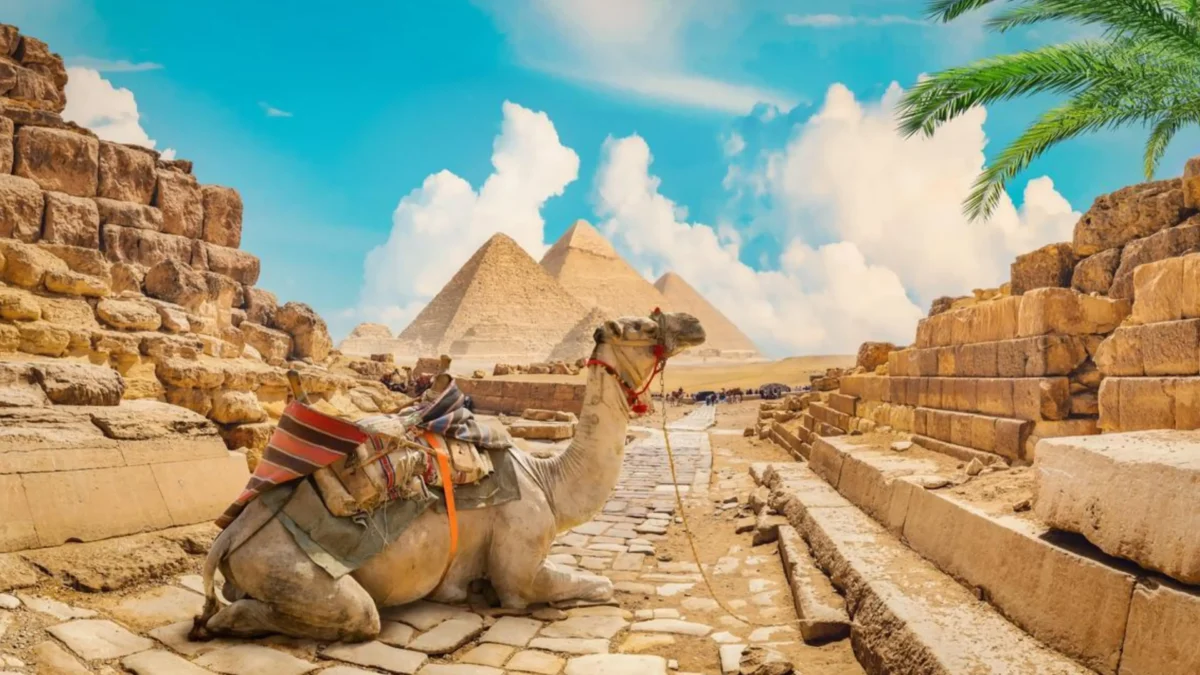
Planning Safe Traveling to Egypt 2026 is easier than ever, thanks to improved tourism infrastructure, enhanced security measures, and a growing number of visitors returning to the country’s iconic destinations. Whether you’re exploring the Pyramids, cruising the Nile, wandering through ancient temples, or relaxing on the Red Sea, Egypt remains one of the world’s most rewarding travel experiences — and with the right information, it’s also a safe one.
Travelers heading to Egypt in 2026 will find modern airports, efficient transportation, updated safety regulations, and well-managed tourist sites. With smart planning and awareness of local customs, you can enjoy a smooth, secure, and unforgettable journey.
Travel Safety In Egypt: What You Need To Know?
Understanding the essentials of Safe Traveling to Egypt 2026 will help you feel confident, prepared, and fully able to enjoy everything this incredible country offers. Egypt is a welcoming and well-traveled destination, and with updated safety measures, modern tourism services, and clear guidelines for visitors, 2026 is shaping up to be one of the safest years to explore it.
Here’s what you need to know:
1. Tourist Areas Are Highly Secured
Major destinations such as Cairo, Giza, Luxor, Aswan, and the Red Sea resorts (Hurghada, Sharm El Sheikh) are heavily monitored by tourism police and security checkpoints. These areas are accustomed to international visitors and follow strict safety standards.
2. Transportation Is Safer and More Reliable
By 2026, Egypt has upgraded highways, airport procedures, and tourism-specific transport regulations.
Safer options include:
-
Private transfers with licensed drivers
-
Ride-hailing apps like Uber and Careem
-
Domestic flights between cities (Cairo–Luxor–Aswan–Sharm)
-
Well-regulated Nile cruises
These options offer comfort and peace of mind.
3. Guided Tours Add an Extra Layer of Safety
Booking a guided tour — especially for archaeological sites or desert excursions — ensures:
-
Safe and efficient routes
-
Licensed Egyptologist guides
-
Secure transportation
-
Assistance with tickets, crowds, and local rules
Guided experiences are especially recommended for first-time visitors.
4. Respect Local Culture to Avoid Issues
Egypt is welcoming, but cultural respect goes a long way.
Keep in mind:
-
Dress modestly in mosques and rural areas
-
Avoid public displays of affection
-
Ask before taking photos of people
-
Learn simple phrases like “Shukran” (thank you)
These small gestures keep interactions smooth and positive.
5. Health & Hygiene Tips for a Safe Trip
To stay healthy during your travels:
-
Drink only bottled water
-
Avoid raw street food unless it’s freshly prepared
-
Carry hand sanitizer and tissues
-
Protect yourself from sun exposure (hat, sunscreen, water)
Following these habits keeps your trip trouble-free.
6. Use ATMs and Money Exchanges in Secure Locations
Stick to ATMs inside banks, hotels, malls, or airports.
Avoid exchanging money with individuals offering “better rates” on the street.
7. Stay Connected & Share Your Itinerary
Egypt now has excellent mobile coverage. Use a local SIM or eSIM to:
-
Navigate safely
-
Stay in contact with family
-
Access online maps and translation tools
Sharing your itinerary with a friend or family member adds peace of mind.
8. Scams Are Easy to Avoid
Common tourist scams are mild and easy to handle.
Just remember:
-
Always agree on prices before rides or camel photos
-
Politely decline any “free” gifts
-
Tip only when you choose to
Most interactions are friendly, and awareness is all you need.
Bottom Line
With enhanced infrastructure, professional tourism services, and well-managed security, Safe Traveling to Egypt 2026 is not only possible — it’s the new standard. Staying informed, respecting local customs, and choosing reputable operators will ensure your Egypt adventure is both safe and unforgettable.
Safe Traveling to Egypt 2026
As global tourism continues to grow and Egypt strengthens its infrastructure, Safe Traveling to Egypt 2026 is more attainable and reassuring than ever. With upgraded airports, improved highways, professional tourism police, and modern safety regulations across major destinations, Egypt is fully prepared to welcome international travelers in 2026 with confidence and comfort.
Whether you’re exploring the timeless Pyramids of Giza, wandering through Luxor’s ancient temples, cruising along the Nile, or relaxing by the Red Sea, Egypt’s most popular tourist areas are well-secured and highly organized. Hotels, tours, and transportation services now follow updated safety protocols designed to protect visitors while providing smooth, enjoyable experiences.
Traveling smart — choosing licensed guides, using reputable transportation, respecting cultural norms, and staying aware of your surroundings — ensures a safe and unforgettable journey through one of the world’s most historic and breathtaking destinations.
Travel Advisories: USA and UK Government Updates
When planning Safe Traveling to Egypt 2026, it’s important to stay informed about official travel advisories from trusted sources such as the U.S. Department of State and the UK Foreign, Commonwealth & Development Office (FCDO). These agencies provide regularly updated guidance to help travelers make informed decisions and enjoy a secure, trouble-free trip.
1. USA Travel Advisory Overview
The U.S. Department of State generally categorizes Egypt with region-specific guidance rather than a blanket warning. Tourist areas like:
-
Cairo
-
Giza
-
Luxor
-
Aswan
-
Hurghada and Sharm El Sheikh
…are typically listed as safe for travel with standard precautions. The U.S. advisory highlights a few regions near international borders where non-essential travel is discouraged, but these areas are far from major tourist sites.
What American travelers should know:
-
Egypt’s main tourist zones are considered stable and well-monitored.
-
Prospective travelers should enroll in STEP (Smart Traveler Enrollment Program) for updates.
-
Standard travel precautions are recommended, as in any major international destination.
2. UK FCDO Travel Advisory Overview
The UK government provides similar guidance. According to the FCDO, Egypt’s primary tourist destinations remain safe and open with no restrictions for British travelers.
The FCDO often recommends:
-
Using licensed guides and reputable tour companies
-
Avoiding border regions not included in tourist routes
-
Staying updated on local news and official notices
Most UK tourists visit Cairo, Luxor, Aswan, and the Red Sea without any issues, making Egypt one of the UK’s most popular holiday destinations.
3. What These Advisories Mean for 2026 Travelers
Government advisories tend to emphasize awareness, not avoidance. Egypt’s major tourism areas are heavily secured and have seen millions of safe visits annually.
For travelers planning Safe Traveling to Egypt 2026, these advisories support the idea that:
-
Tourist regions are stable and well-prepared
-
Infrastructure and security continue improving year by year
-
Staying updated ensures a smooth and confident journey
4. Tips for Using Travel Advisories Wisely
-
Check updates before departure and during your trip
-
Share your itinerary with family
-
Follow the guidance of local authorities and licensed guides
-
Stay within established tourist zones unless with a reputable operator
Staying aware of USA and UK travel advisories helps you make informed decisions and reinforces confidence that Safe Traveling to Egypt 2026 is both achievable and highly rewarding.
Check these trips:
Common Scams in Egypt and How to Avoid Them?
Being aware of common scams is an important part of Safe Traveling to Egypt 2026. The good news? Most scams in Egypt are mild, avoidable, and rarely dangerous — they’re usually small tourist tricks rather than serious threats. With a little awareness and confidence, you can avoid them easily and enjoy your trip without stress.
Here are the most common scams and the simple ways to stay protected:
1. The “Free Gift” Trick
Someone offers you a bracelet, scarab, or small souvenir and insists it’s free.
But once it’s in your hand, they demand money.
How to avoid it:
-
Politely refuse: “La shukran” (No thank you)
-
Keep walking without engaging
-
Never accept unsolicited items
2. Overpriced Camel or Horse Rides
Camel handlers at Giza or other sites may offer a ride for “10 pounds,” then demand much more afterward — sometimes 10 times the price.
How to avoid it:
-
Agree on the full price before the ride, including tips
-
Repeat the amount clearly
-
Use a certified operator whenever possible
3. The “Helpful Guide” Who Isn’t a Guide
Someone offers to show you around a site “just for fun,” then asks for a tip afterward.
How to avoid it:
-
Work only with licensed guides or your tour operator
-
Decline unsolicited help politely
-
Avoid strangers leading you into restricted areas
4. Fake Ticket Sellers
At major attractions, someone might approach you offering “discounted tickets” or claiming the booth is closed.
How to avoid it:
-
Buy tickets only from official ticket counters
-
Ignore anyone approaching you outside the entrance
-
Follow signage or your guide’s instructions
5. The “Let Me Take Your Photo” Setup
Someone voluntarily takes your photo, then asks for money — or hands your camera to a friend and pressures you to tip both.
How to avoid it:
-
Ask another tourist, not a vendor or handler
-
Decline offers if you didn’t request them
6. Taxi and Ride Pricing Confusion
Some taxis may claim the meter is broken or inflate prices.
How to avoid it:
-
Use Uber, Careem, or your hotel’s private driver
-
If using a taxi, agree on the price before entering
-
Avoid random taxis around major tourist sites
7. The “Special Price Just for You” Sales Pitch
Vendors may start with a very high price, expecting negotiation.
How to avoid it:
-
Bargain politely — it’s normal and expected
-
If the seller is pushy, simply walk away
-
Know that “special price” is just a sales tactic, not a deal
8. Papyrus & Perfume Shop Detours
Some unlicensed guides take tourists to shops where prices are drastically inflated.
How to avoid it:
-
Book official tours with clear itineraries
-
Ask your guide to skip shopping stops if not interested
-
Buy papyrus and fragrances only from reputable stores
9. “This Area Is Closed — Come With Me”
Someone tells you a site, street, or entrance is closed and tries to redirect you to a shop or “private tour.”**
How to avoid it:
-
Confirm closures with official staff only
-
Stay on marked paths or museum entrances
-
Decline offers for alternative routes
10. Currency Exchange Confusion
Giving change in mixed bills or incorrect denominations is a common mistake — sometimes intentional.
How to avoid it:
-
Count your change immediately
-
Use ATMs inside hotels, banks, or airports
-
Keep small bills for tips and vendors
Bottom Line
Most scams in Egypt are small inconveniences, not major risks. With awareness, politeness, and a bit of confidence, you can avoid them easily and enjoy Safe Traveling to Egypt 2026 without stress. Egypt is incredibly welcoming, and millions of visitors explore the country safely every year — staying informed simply helps you travel smarter.
Also check these trips:
Health Safety: Vaccinations and Water Safety
Staying healthy on your trip is a major part of Safe Traveling to Egypt 2026. Egypt is generally safe for travelers, but taking a few simple health precautions — especially regarding vaccinations, food, and water — will help ensure your journey is smooth and worry-free.
While Egypt does not require many mandatory vaccines for most travelers, health organizations recommend certain vaccinations to keep you protected.
1. Routine Vaccinations (Make Sure They’re Up to Date)
These include:
-
MMR (Measles, Mumps, Rubella)
-
Diphtheria-Tetanus-Pertussis
-
Varicella (Chickenpox)
-
Polio
-
Influenza (seasonal)
2. Recommended Vaccinations for Travelers
You may also consider:
-
Hepatitis A – spread through food and water
-
Typhoid – especially if trying street food or visiting rural areas
3. Optional Vaccinations (Based on Activities)
-
Hepatitis B – for long stays or medical procedures
-
Rabies – only if you’ll be in remote desert zones or around stray animals
-
Yellow Fever – required only if arriving from a Yellow Fever–risk country
Tip:
Always consult your doctor or a travel health clinic 4–6 weeks before your trip to get personalized recommendations for 2026.
Water Safety in Egypt
Egypt’s tap water is treated, but it is not recommended for travelers to drink, especially if you’re not used to the local water. Stomach upset is the most common avoidable issue among tourists.
What to Do:
-
Drink bottled water only (widely available and inexpensive)
-
Use bottled water to brush your teeth
-
Avoid ice unless you know it’s made from purified water
-
Choose cooked foods over raw when possible
-
Wash fruits with bottled water or eat fruits that can be peeled
Hot Weather Reminder:
Egypt, especially Luxor and Aswan, can get extremely hot. Staying hydrated is essential. Keep a bottle of water with you at all times — especially when visiting tombs and temples in the desert.
Food Safety Tips
To support healthy travel:
-
Eat at reputable restaurants and hotel buffets
-
Enjoy street food only if freshly cooked
-
Avoid raw meats and unpasteurized dairy
-
Carry digestive tablets, rehydration salts, and basic medicine just in case
Bottom Line
Health safety is simple and manageable when traveling in Egypt. By getting the recommended vaccinations, drinking bottled water, and being mindful of food hygiene, you can enjoy Safe Traveling to Egypt 2026 with confidence and peace of mind. These precautions ensure you stay energized and fully able to enjoy the pyramids, temples, markets, and Nile cruises that make Egypt so extraordinary.
Safe Transportation: Uber vs. Taxis in Cairo
Choosing the right transportation is a key part of Safe Traveling to Egypt 2026, especially in a bustling city like Cairo. With millions of residents, busy roads, and fast-paced traffic, knowing whether to rely on Uber or traditional taxis can make a big difference in comfort, safety, and cost.
Here’s a clear comparison to help you decide which option is best during your trip.
Uber in Cairo: The Safest and Easiest Choice
For most travelers, Uber is the preferred option in Cairo thanks to its transparency, reliability, and safety features.
Why Uber Is Safer
-
GPS tracking for the entire ride
-
Driver details shared before pickup
-
No cash handling required (card or in-app payments available)
-
Ability to share your trip with someone at home
-
Clear pricing with no negotiation needed
Uber drivers are generally polite and accustomed to transporting tourists.
Why Uber Is More Convenient
-
Easy pickup from hotels, malls, and major landmarks
-
Lower risk of language barriers
-
No haggling over fares
-
Cleaner, more modern vehicles on average
Uber is especially recommended for airport transfers, evening rides, and longer distances.
Taxis in Cairo: Still Useful, But Requires Caution
Traditional white taxis are widely available, but they require more awareness and confidence from tourists.
Pros of Cairo Taxis
-
Easy to find on the street
-
Good for short, spontaneous trips
-
Metered taxis are affordable when the meter is used correctly
Cons (and Safety Notes)
-
Some drivers avoid using the meter
-
Negotiation may be needed before entering
-
Scams are more common (e.g., inflated prices)
-
Older cars with varying levels of maintenance
-
Limited English with many drivers
If you choose a taxi, agree on a price before the ride, and avoid taxis without working meters.
Which Is Better for Safe Traveling to Egypt 2026?
Choose Uber if you want:
-
The safest option
-
Clear pricing
-
GPS navigation and trip sharing
-
No face-to-face negotiation
-
Comfortable, predictable rides
Choose Taxis if you:
-
Need a quick, short ride
-
Are comfortable negotiating fares
-
Can identify official white taxis with working meters
For most travelers — especially first-time visitors — Uber is the safest and easiest choice in Cairo.
Bonus Tip: Use Careem Too
Careem, a popular Middle Eastern ride-hailing app (now owned by Uber), works excellently in Cairo. It offers:
-
High service standards
-
Reliable drivers
-
Fixed pricing
It’s another safe and convenient option for 2026 travel.
Bottom Line
For Safe Traveling to Egypt 2026, Uber (and Careem) offer the safest, most comfortable transportation experience in Cairo. While taxis are still widely used, ride-hailing apps minimize misunderstandings, overcharging, and safety concerns — helping you navigate Egypt’s capital with confidence and ease.
Read:
Female Solo Travel in Egypt 2026
Female Solo Travel in Egypt 2026 is safer and more empowering than ever thanks to strengthened tourism infrastructure, improved transport apps, and increased security across major destinations. With the right preparation, solo women can explore confidently and enjoy Egypt’s culture, history, and natural beauty.
Safety in Popular Tourist Areas
Cairo, Giza, Luxor, Aswan, and Red Sea resorts are secure, monitored by tourism police, and accustomed to international female travelers.
Choosing Safe Accommodation
The safest areas include Zamalek, Heliopolis, and Downtown in Cairo; Nile-side hotels in Luxor and Aswan; and major resorts in Hurghada and Sharm. Choose hotels with strong reviews, 24/7 reception, and airport transfers.
Transportation Tips for Women Travelers
Use Uber or Careem for safe, trackable rides. Avoid walking alone late at night unless in well-lit, busy areas.
Dress Code for Comfort & Respect
Modest clothing reduces attention. Recommended: loose trousers or long skirts, shoulder-covering tops, and a scarf for mosques or sun protection.
Handling Street Harassment
Harassment is usually verbal and mild. Ignore it, walk confidently, and use short phrases like “La shukran.” Tourism police are active in major sites.
Joining Group Tours
Group tours add comfort and security for solo women, especially at temples, in markets, and during desert trips. Nile cruises are also safe and social.
Food & Water Safety
Drink bottled water, avoid tap water and ice of unknown origin, and choose reputable restaurants. Carry basic medicine and rehydration salts.
Respectful Behavior Gets Respectful Treatment
Politeness, modest dress, and cultural awareness often lead to excellent, respectful interactions with locals.
Navigating Markets and Souks
Keep your bag zipped, stay aware, and don’t feel pressured to buy. Politely decline persistent vendors.
Embracing the Experience
Egypt is increasingly popular with solo female travelers who report positive experiences, friendly locals, and strong tourism support.
Bottom Line
Female Solo Travel in Egypt 2026 is safe, enriching, and empowering when following simple precautions. With modern transport apps, secure hotels, and supportive tourism services, solo women can explore Egypt confidently — from the Pyramids to the Nile to the Red Sea.
Why Hiring a Private Driver is Safer than Self-Driving?
When planning Safe Traveling to Egypt 2026, one of the most important safety decisions you’ll make is how to get around. While renting a car might seem convenient, hiring a private driver is almost always the safer, easier, and more efficient option in Egypt.
Local Knowledge of Roads & Traffic
Egyptian traffic can be intense, fast-paced, and unpredictable for visitors. Private drivers understand local driving culture, shortcuts, and safe routes—something GPS alone cannot provide.
Navigating Complex Road Systems
Road signs may be limited, in Arabic only, or confusing in older neighborhoods. A driver ensures you move smoothly without wrong turns, stressful detours, or risky areas.
No Stress from Aggressive Driving Conditions
Cairo and Giza traffic requires quick reflexes and familiarity with informal driving habits. A private driver handles dense traffic, roundabouts, and lane merging so you don’t have to.
Safer Long-Distance Travel
Routes between Cairo, Luxor, and Aswan involve desert highways, checkpoints, and variable road conditions. A driver experienced with these journeys offers safer, controlled travel.
Avoiding Parking Challenges
Tourist sites, markets, and downtown districts can have limited or chaotic parking. Drivers drop you at entrances and wait, eliminating parking stress and reducing personal risk.
Better Communication at Checkpoints
Egypt has multiple security checkpoints, especially near key tourist sites. Private drivers speak Arabic, understand procedures, and handle interactions quickly and smoothly.
Reduced Risk of Scams or Overcharging
Rental car contracts, deposits, and damage claims can be confusing or inconsistent. A reputable private driver protects you from disputes and unexpected costs.
More Relaxed Travel Experience
Instead of focusing on traffic, you can enjoy the scenery, plan your day, take photos, or rest between sites—creating a smoother and safer experience overall.
Bottom Line
For Safe Traveling to Egypt 2026, hiring a private driver offers far greater safety, comfort, and peace of mind than self-driving. From navigating complex traffic to handling checkpoints and parking, a driver ensures smooth, stress-free travel so you can focus on enjoying Egypt’s extraordinary history and landscapes.
Why a Private Egyptologist Guide is Your Best Safety Asset?
Hiring a private Egyptologist is one of the smartest decisions for Safe Traveling to Egypt 2026. Beyond enhancing your understanding of Egypt’s history, a qualified guide significantly improves your safety, comfort, and overall travel experience.
Expert Navigation Through Crowded Sites
Egypt’s top attractions—Giza, Luxor, Aswan—can be busy and overwhelming. A guide knows the safest entrances, least crowded times, and how to move efficiently through each site.
Protection From Scams and Overpricing
Guides shield you from common tourist scams by handling:
-
Ticket purchases
-
Negotiations
-
Vendor interactions
-
Tipping norms
This prevents misunderstandings and ensures fair pricing.
Accurate, Reliable Information
Private Egyptologists are licensed professionals who undergo rigorous training. They provide trusted historical context while keeping you aware of cultural norms and safety etiquette at each location.
Smooth Communication With Locals
Your guide bridges language gaps, assisting with:
-
Security checkpoints
-
Transportation
-
Market bargaining
-
Hotel coordination
This reduces confusion and keeps your trip stress-free.
Awareness of Local Customs and Boundaries
Guides ensure you avoid unintentional cultural mistakes—especially regarding dress codes, photography rules, and religious spaces—helping you stay respectful and safe.
Safer Travel Logistics
Whether arranging transportation, choosing routes, or advising which areas to avoid, guides help you make safer decisions throughout your journey.
Immediate Support in Case of Issues
If you face illness, lost items, or unexpected challenges, a private guide acts quickly, using local knowledge and connections to resolve problems efficiently.
Bottom Line
A private Egyptologist guide isn’t just a storyteller—they are your built-in safety partner. For Safe Traveling to Egypt 2026, they provide protection, local insight, cultural guidance, and smooth logistics, ensuring your trip is secure, enriching, and effortlessly enjoyable.
What Our American & British Guests Said About Safety Last Month?
Recent feedback from travelers is one of the strongest indicators of Safe Traveling to Egypt 2026, and our American and British guests continue to report overwhelmingly positive safety experiences. Their firsthand insights reflect what most visitors feel today: Egypt is welcoming, secure, and far easier to navigate than they expected.
“Safer Than We Imagined”
Many U.S. and UK travelers admitted they arrived with concerns based on old stereotypes, but quickly realized how safe modern Egypt feels. They often mentioned:
-
Visible tourism police
-
Security checks at hotels and major sites
-
Friendly local interactions
Nearly all said they felt safe walking around tourist areas during the day.
“Uber and Private Drivers Made Us Feel Secure”
Guests consistently highlighted transportation safety:
-
Uber and Careem rides were smooth and reliable
-
Private drivers felt professional and trustworthy
-
Long-distance routes (Cairo–Luxor–Aswan) seemed safer with licensed drivers
This gave solo travelers and families extra peace of mind.
“Our Guides Took Care of Everything”
American and British guests repeatedly praised their private Egyptologist guides for:
-
Handling tips, tickets, and vendors
-
Navigating crowds
-
Keeping them informed on local etiquette
Many said they would not travel Egypt without a guide again because it added comfort and safety.
“Locals Were Warm and Respectful”
Visitors from both countries highlighted how friendly Egyptians were:
-
Staff at hotels were attentive
-
Vendors were polite when told “no thank you”
-
Families felt especially welcomed
Women travelers noted they felt surprisingly comfortable when following modest dress guidelines.
“Security Presence Made Us Feel Protected, Not Restricted”
Guests appreciated the balanced level of security:
-
Checkpoints were quick and organized
-
Guards were helpful, not intrusive
-
Tourist zones felt well-monitored
Most said security made them feel reassured rather than tense.
Bottom Line
American and British visitors last month consistently described Egypt as safe, friendly, and well-prepared for tourists. Their experiences echo a growing trend: with smart planning and awareness, Safe Traveling to Egypt 2026 is not only possible — it’s enjoyable, comfortable, and highly recommended.
Also read:
FAQ
Is Egypt safe to visit in 2026?
Yes. Major tourist cities like Cairo, Giza, Luxor, Aswan, and the Red Sea resorts are well-secured and highly monitored. With modernized tourism infrastructure and clear safety protocols, Egypt is safer than ever for international travelers.
Is Egypt safe for solo female travelers?
Absolutely. Female solo travel is increasingly common, especially with the use of Uber/Careem, licensed guides, and reputable hotels. Modest clothing and basic awareness help ensure a smooth, comfortable experience.
Are the Pyramids and other sites safe to visit?
Yes. Tourist sites have strong security presence, regulated entrances, and tourism police. Traveling with a private guide or tour provides added comfort and guidance.
Is it safe to drink tap water in Egypt?
No. Tap water is treated but not recommended for visitors. Always drink bottled water and avoid ice unless you’re sure it’s made from purified water.
Should I hire a private driver in Egypt?
Hiring a private driver is much safer than self-driving. Drivers understand local traffic, road conditions, and checkpoints, making transportation smoother and more secure.
Are Uber and Careem safe in Egypt?
Yes. Ride-hailing apps are the safest option in Cairo and other major cities. They offer GPS tracking, transparent pricing, and safer routes.
Is a Nile cruise safe for tourists?
Very safe. Nile cruises are professionally regulated and follow strict safety standards. They offer one of the most comfortable and secure ways to explore Egypt.
Do I need travel insurance for Egypt in 2026?
Yes, strongly recommended. It provides coverage for medical care, trip delays, and adventure activities like hot air balloons or desert safaris.
Are scams common in Egypt?
Minor scams exist (like inflated prices or “free gifts”), but they’re easy to avoid with awareness. Hiring a guide or driver eliminates most issues.
What vaccines do I need for Egypt?
Routine vaccines should be up to date. Hepatitis A and Typhoid are recommended. Consult your doctor 4–6 weeks before travel.
Are American and British tourists comfortable in Egypt?
Yes. Recent guests from both countries consistently report feeling safe, welcomed, and well-supported by guides, hotels, and transportation services.
Conclusion


Leave a Reply