What is Cairo known for? The ultimate guide to its ancient history, Islamic architecture, and vibrant modernity
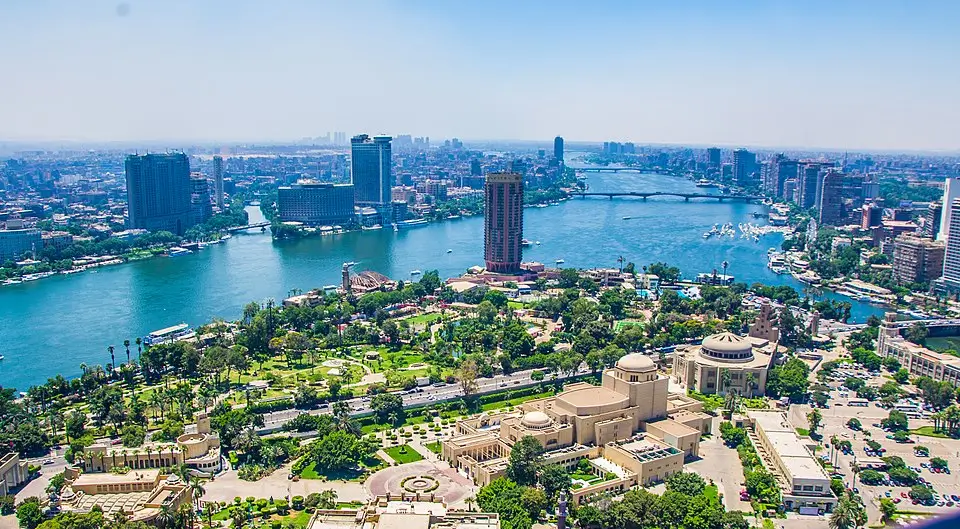
The question “what is Cairo known for” opens the door to a city that feels alive in every sense — a place where ancient wonders rise beside modern skyscrapers, and where the heartbeat of Egypt pulses through crowded markets, Nile-side cafés, and timeless monuments. Cairo is a city of contrasts, a city of stories, and a city that never truly sleeps.
Imagine the call to prayer echoing across the rooftops at sunrise, the golden light catching the tips of the Giza Pyramids, and the smell of freshly baked bread drifting from a street vendor’s cart.
Cairo is known for its fierce energy, its unmatched history, and its ability to transport visitors across thousands of years in a single day. Whether you’re wandering through the treasures of the Egyptian Museum, cruising the Nile at sunset, or getting lost in the narrow alleys of Khan el-Khalili, Cairo surrounds you with a sense of wonder and discovery.
But what exactly makes this sprawling metropolis so unforgettable — and why does Cairo continue to draw millions of travelers from around the world?
What is cairo known for?
Cairo is known for its extraordinary blend of ancient wonders, vibrant culture, and modern energy — a combination that makes it one of the most iconic cities in the world. From the timeless pyramids on its outskirts to the bustling souqs at its heart, Cairo offers an experience like no other. It is a city where history is not preserved behind glass; it lives, breathes, and echoes through every street and monument.
1. The Pyramids of Giza and the Sphinx
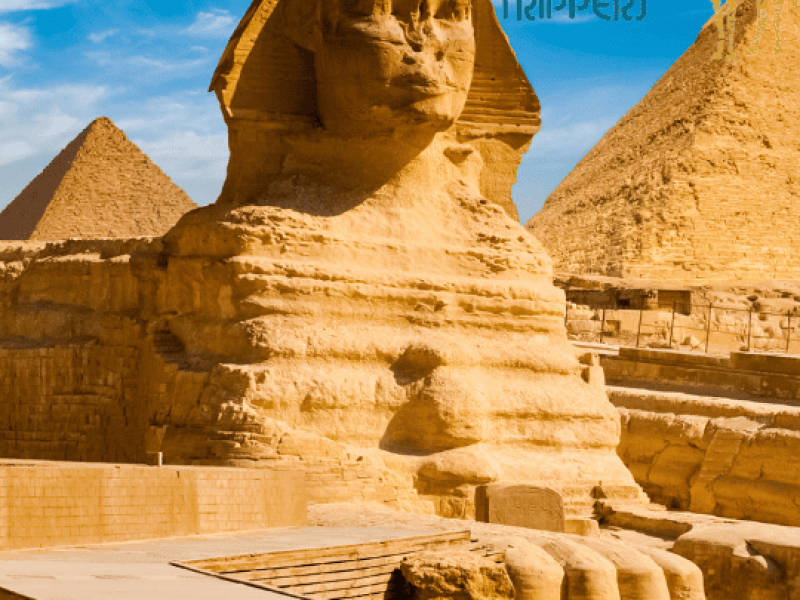
Above all else, Cairo is known for the Giza Pyramids, the last surviving Wonder of the Ancient World. These colossal structures — Khufu, Khafre, and Menkaure — rise from the desert with astonishing precision. Nearby, the Great Sphinx watches over the plateau with silent, timeless authority. Together, they stand as symbols of Egypt’s genius and mystery.
2. The Nile River
Cairo is the largest city on the Nile, the lifeline of Egypt for thousands of years. From luxurious dinner cruises to peaceful felucca rides, the river offers unforgettable views of the city’s skyline, especially at sunset when the water glows gold.
3. The Egyptian Museum
Home to one of the richest collections of ancient artifacts on Earth, the Egyptian Museum houses royal mummies, golden treasures, statues, papyri, and the spectacular collection of Tutankhamun. It is a place where history surrounds you at every turn.
4. Islamic Cairo
Cairo is known as the “City of a Thousand Minarets,” thanks to its extraordinary Islamic architecture. Visitors can explore:
-
The historic Al-Azhar Mosque
-
The majestic Mosque of Muhammad Ali
-
The medieval gates of Bab Zuweila
-
The winding alleys of El Moez Street
Each area feels like a journey through a living time capsule.
5. Coptic Cairo
Christian heritage thrives here in ancient churches such as:
-
The Hanging Church
-
The Cave Church at Mokattam
-
The Church of St. Sergius, believed to shelter the Holy Family during their flight to Egypt
This neighborhood offers a peaceful, deeply spiritual escape from the city’s buzz.
6. Khan el-Khalili Bazaar
Cairo is famous for the bustling Khan el-Khalili, one of the oldest markets in the Middle East. Its narrow passageways overflow with spices, perfumes, jewelry, lanterns, antiques, and hand-crafted treasures. Here, bargaining is an art — and an adventure.
7. Food, Street Life, and Culture
Cairo is known for its lively food scene, offering everything from aromatic koshari to sizzling grilled kofta, fresh falafel, and sweet basbousa. Street cafés buzz with conversation, mint tea, and the sound of backgammon pieces clicking in friendly rivalry.
8. A City That Never Sleeps
Cairo is famous for its electric energy — a blend of ancient spirit and modern hustle. Whether it’s late-night cafés, rooftop views, bustling markets, or quiet mosques illuminated under the moonlight, Cairo always has something to offer.
A City of Endless Stories
What Cairo is truly known for is its ability to captivate. It is a city that embraces chaos and beauty in equal measure — a place where the past and present collide in the most unforgettable way. Cairo doesn’t just show you history; it lets you feel it.
Read:
What does the name Cairo mean?
The name Cairo comes from the Arabic word “Al-Qāhirah” (القاهرة), which means “The Victorious” or “The Conqueror.” It is a powerful name — one chosen to reflect the city’s strength, destiny, and rising importance in the ancient world. Cairo was founded in 969 AD during the Fatimid era, and its name symbolized triumph, fortune, and a future filled with greatness.
Why “The Victorious”?
According to tradition, Cairo’s name was inspired by the appearance of the planet Mars — called Al-Qāhir in Arabic — which appeared brightly in the sky at the city’s founding. Mars was associated with power, victory, and conquest. Naming the city after this celestial sign was believed to bless Cairo with:
-
Strength, in both politics and culture.
-
Protection, guided by planetary fortune.
-
Victory, in the challenges it would face as a rising capital.
And indeed, Cairo soon became one of the most important cities in the Islamic world — a center of science, art, architecture, trade, and spiritual life.
A Name That Matches Its Spirit
Even today, the meaning of Cairo feels fitting. The city is bold, energetic, resilient, and endlessly alive. It has endured empires, revolutions, and centuries of change, yet it continues to stand proud — exactly as its name promises.
What was Cairo called in ancient Egypt?
Cairo, as we know it today, did not exist as a single city in ancient Egypt. Instead, the area now occupied by modern Cairo was home to several older settlements — each with its own name, identity, and historical significance. The most important of these ancient centers was Memphis, known in Egyptian as “Ineb Hedj” (the White Walls), which served as one of the earliest and greatest capitals of ancient Egypt.
Memphis: The Ancient Capital Near Modern Cairo
Memphis stood just south of today’s Cairo and was the heart of Egypt during the Old Kingdom. It was:
-
The political capital for centuries
-
A major center of religion and trade
-
The city connected to the creation of the pyramids at Giza and Saqqara
While Memphis was separate from Cairo, it occupied the same general region and laid the foundation for the area’s strategic importance.
What About the Area of Cairo Itself?
Before Cairo was founded in 969 AD, the region consisted of smaller ancient settlements, including:
-
Heliopolis (Egyptian: Iunu or On) — a major center of sun worship, northeast of modern Cairo.
-
Babylon Fortress — a Roman stronghold that later became the core of Coptic Cairo.
-
Fustat — the first Islamic capital of Egypt, founded in 641 AD, long before Cairo proper was established.
These places were significant in different eras, but none were called “Cairo” until the Fatimids built Al-Qāhirah (The Victorious).
Cairo Is Not an Ancient Egyptian Name
Cairo is a medieval Islamic city, not an ancient Egyptian one. Its name, Al-Qāhirah, dates to the 10th century AD, long after the age of the pharaohs.
In Summary
-
Cairo did not have a single ancient Egyptian name.
-
The nearest ancient capital was Memphis.
-
Nearby religious centers included Heliopolis.
-
The actual city of Cairo was founded much later, in 969 AD.
Its location, however, sits atop thousands of years of history — making Cairo a modern city with ancient roots.
Also read:
What’s So Special About Cairo?
Cairo is special because it feels like a world within a world — a city where ancient history, vibrant culture, and modern energy collide in the most unforgettable way. Few places on Earth can match Cairo’s ability to transport you through time, from the age of the pharaohs to the heartbeat of contemporary Egypt, all in a single afternoon.
A City Where Ancient Wonders Still Stand
Cairo is home to the Giza Pyramids and the Great Sphinx, the last survivors of the Seven Wonders of the Ancient World. These monuments tower over the desert with a presence so powerful that they define not just Cairo — but human history itself.
The Cradle of Egyptian Civilization
From the treasures of the Egyptian Museum to the storytelling walls of Islamic Cairo and the ancient churches of Coptic Cairo, the city preserves more than 5,000 years of history. Its museums, mosques, and archaeological sites offer a living encyclopedia of world heritage.
A City That Lives on the Nile
Cairo sits proudly along the Nile River, the lifeline of Egypt. Sunset felucca rides, elegant dinner cruises, and Nile-side cafés give the city a charm and serenity that balances its fast-paced energy.
Endless Culture, Food, and Life
Cairo is famous for its food scene — from sizzling street grills to aromatic koshari, fresh falafel, and unforgettable desserts. Traditional music fills the streets, cafés overflow with shisha smoke and conversation, and markets buzz late into the night. The city never stops moving, never stops creating, and never stops celebrating life.
The Spirit of the People
But what truly makes Cairo special is its people — warm, welcoming, humorous, and endlessly resilient. Their stories, traditions, and everyday interactions give the city its soul. With every smile and every “Ahlan wa sahlan,” Cairo feels less like a destination and more like a home.
A City of Contrasts and Wonders
Cairo is special because it is both ancient and modern, chaotic and beautiful, sacred and lively. It’s a city of pyramids and skyscrapers, of timeless alleys and neon lights, of tradition and transformation. No matter how much you explore, Cairo always has another secret waiting just around the corner.
Related:
Why is Cairo called the mother of all cities?
Cairo is called “the mother of all cities” — or in Arabic, “Umm al-Dunya” (أم الدنيا) — because of its immense historical influence, cultural power, and deep-rooted significance in the Arab and Islamic worlds.
This beloved nickname reflects not just Cairo’s age, but its role as a center of civilization, knowledge, spirituality, and human achievement for thousands of years.
A Cradle of Ancient Civilization
The land on which Cairo stands has been a cultural heartland since the dawn of history. Nearby lies Memphis, one of the earliest and greatest capitals of ancient Egypt, and Heliopolis, the legendary city of the sun. These early centers of power helped shape the identity of the entire region.
To Egyptians, Cairo inherited this ancient legacy — becoming the “mother” city that carried the wisdom and greatness of the past forward into the future.
A Center of Learning and Culture
For centuries, Cairo has been a beacon of knowledge. It is home to:
-
Al-Azhar University, one of the oldest continuously operating universities in the world.
-
A rich literary and artistic tradition that influenced music, theater, film, and poetry across the Middle East.
-
Scholars, philosophers, poets, and scientists whose work shaped the intellectual landscape of the region.
This intellectual leadership earned Cairo a reputation as the cultural capital of the Arab world.
A Hub of Trade, Power, and Influence
Historically, Cairo stood at the crossroads of Africa, Asia, and the Mediterranean. It became a vital center for:
-
Commerce and trade along the Nile
-
Political power during the Fatimid, Ayyubid, Mamluk, and Ottoman eras
-
Economic and cultural exchange across continents
Such dominance and reach gave the city a sense of authority, leadership, and maternal influence.
A City of Spiritual Importance
Cairo is filled with sacred Islamic, Christian, and ancient Egyptian sites. It is known as the city of a thousand minarets, home to:
-
Some of the most important mosques in the Arab world
-
Historic churches dating back to early Christianity
-
Sites tied to prophets, saints, and scholars
Its spiritual weight contributes to its revered title.
A Symbol of Resilience and Greatness
Cairo has survived invasions, empires, revolutions, and eras of dramatic change — yet it always rises again. Its people carry a unique pride, warmth, and humor that define Egyptian identity. This unwavering resilience is another reason the city is affectionately called “the mother of all cities.”
A Name of Pride, Love, and Identity
Egyptians use the nickname “Umm al-Dunya” with deep affection. It expresses the belief that Cairo is not just a city, but a source of history, culture, and life — a place that has shaped the world and continues to inspire millions.
What is famous in Cairo for shopping?
Cairo is famous for its vibrant markets, traditional crafts, and modern shopping districts that blend ancient heritage with contemporary flair. Whether you’re searching for handmade treasures, gold jewelry, spices, perfumes, or luxury brands, Cairo offers shopping experiences that feel both exciting and unforgettable.
Khan el-Khalili Bazaar — Cairo’s Most Iconic Market
The most famous shopping destination in Cairo is unquestionably Khan el-Khalili, a centuries-old bazaar bursting with life, color, and culture. Its narrow alleyways are filled with:
-
Shimmering lanterns and lamps
-
Handcrafted silver and gold jewelry
-
Traditional Egyptian clothing and scarves
-
Perfumes and essential oils
-
Beautiful brassware and antiques
-
Handmade papyrus and artwork
Here, bargaining is part of the experience — lively, fun, and unforgettable.
El Moez Street — Historic Shopping with Ancient Charm
Near Khan el-Khalili, El Moez Street offers a blend of history and craftsmanship. Visitors find:
-
Intricately carved copper and brass items
-
Handwoven textiles and carpets
-
Traditional wood-inlay furniture
-
Authentic Egyptian souvenirs
The street’s medieval architecture turns the shopping experience into a time-travel journey.
Coptic Cairo Shops — Religious Art and Handicrafts
In Coptic Cairo, small shops sell unique handmade items, including:
-
Crosses and religious icons
-
Hand-painted ceramics
-
Traditional Coptic textiles
-
Locally made crafts and souvenirs
These items make meaningful and culturally rich gifts.
Zamalek — Chic Boutiques and Modern Design
For stylish, contemporary shopping, head to Zamalek, known for its boutique stores offering:
-
Egyptian designer fashion
-
Artistic home décor
-
Handcrafted jewelry with modern flair
-
High-quality art pieces from local creators
Zamalek is sophisticated, trendy, and ideal for shoppers seeking something unique.
City Stars Mall — Luxury and International Brands
If you prefer air-conditioned modern shopping, City Stars Mall in Nasr City is one of Cairo’s largest retail centers. It features:
-
International fashion brands
-
Luxury boutiques
-
Cafés and restaurants
-
Entertainment options for families
It’s perfect for travelers who enjoy contemporary shopping experiences.
Souqs for Spices and Aromas
Cairo is also famous for its fragrant spice markets, where you can buy:
-
Saffron, cumin, and hibiscus
-
Traditional Egyptian tea blends
-
Exotic incense and frankincense
-
Natural perfumed oils
The aromas alone are unforgettable.
A Shopper’s Paradise with Soul
What makes shopping in Cairo so special is the soul behind every market and boutique. Whether you’re wandering through ancient alleyways or exploring modern malls, every purchase carries a piece of Egypt’s history, craftsmanship, and vibrant culture.
Suggested:
FAQ
What is Cairo known for?
Cairo is known for its ancient monuments, vibrant culture, the Giza Pyramids, the Nile River, bustling markets like Khan el-Khalili, and its rich blend of Islamic, Coptic, and modern history.
What does the name Cairo mean?
Cairo comes from the Arabic “Al-Qāhirah,” meaning “The Victorious” or “The Conqueror.” The name reflects the city’s strength, destiny, and historical significance.
What was Cairo called in ancient Egypt?
The city of Cairo did not exist in ancient Egypt. Instead, the region was home to major centers such as Memphis and Heliopolis. Cairo itself was founded much later, in 969 AD.
Why is Cairo called the mother of all cities?
Cairo is affectionately called “Umm al-Dunya” (the mother of the world) because of its cultural dominance, historical influence, spiritual significance, and its long-standing role as a center of learning, trade, and civilization.
What is famous in Cairo for shopping?
Cairo is famous for Khan el-Khalili bazaar, El Moez Street, Zamalek boutiques, City Stars Mall, and traditional markets for spices, gold, textiles, and handcrafted treasures.
Is Cairo safe for tourists?
Yes — Cairo is generally safe for tourists, especially in popular areas. As with any big city, travelers should stay aware of their surroundings and follow basic safety practices.
What food is Cairo known for?
Cairo is famous for dishes such as koshari, falafel (ta’ameya), grilled kofta, molokhia, shawarma, and delicious desserts like basbousa and konafa.
What is the best time to visit Cairo?
The best time to visit Cairo is during October to April, when the weather is cooler and more comfortable for exploring outdoor sites and markets.
How do I get around Cairo?
Cairo offers taxis, Uber, Careem, the metro system, private drivers, and Nile ferries. Traffic can be busy, so planning ahead is helpful.
Can you visit the pyramids from Cairo?
Absolutely — the Giza Pyramids are located just outside the city center and are easily accessible by taxi, Uber, or guided tours.
What language is spoken in Cairo?
The primary language is Arabic, specifically the Egyptian dialect. English is widely understood in tourist areas, hotels, and major attractions.
Does Cairo have good nightlife?
Yes — Cairo’s nightlife includes rooftop lounges, Nile cruises, late-night cafés, traditional music venues, and lively streets that stay active well past midnight.
Conclusion



Leave a Reply