The Pyramid Builder: 3 Architectural Masterpieces Built Under the Pharaoh Sneferu That Changed History
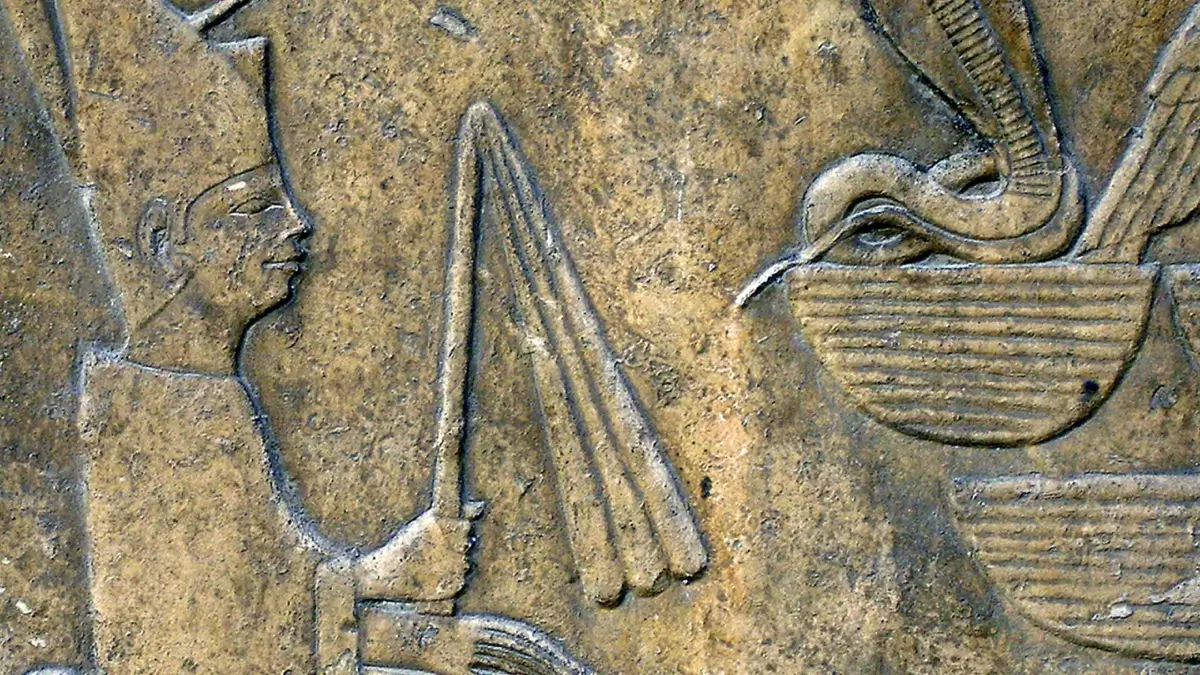
Built under the Pharaoh Sneferu is more than a historical phrase—it’s a gateway into one of the most ambitious building eras in ancient Egypt. Imagine a ruler so determined to master stone construction that his reign reshaped the future of pyramid building forever.
Sneferu, the founding king of Egypt’s Fourth Dynasty, didn’t just commission monuments for glory. He experimented, failed, adapted, and ultimately succeeded in creating architectural forms that would define the age of the pyramids. The structures built under his rule still stand today as silent witnesses to a turning point in human engineering, when trial and error laid the foundation for perfection.
In this article, we’ll explore what was built under the Pharaoh Sneferu, why these constructions mattered, and how his vision changed ancient Egyptian architecture for centuries to come.
built under the pharaoh sneferu
1. The Meidum Pyramid.
-
Location: Meidum, south of Cairo.
-
Purpose: Originally started as a step pyramid, later converted into a true pyramid.
-
Significance:
-
Considered an early experiment in smooth-sided pyramid design.
-
Partially collapsed in antiquity, teaching Egyptian builders critical structural lessons.
-
2. The Bent Pyramid.
-
Location: Dahshur.
-
Why it’s famous:
-
Its distinctive bent angle halfway up.
-
-
Architectural importance:
-
Built during Sneferu’s reign when builders realized the original angle was unsafe.
-
Demonstrates real-time problem-solving in ancient engineering.
-
3. The Red Pyramid.
-
Location: Dahshur, near the Bent Pyramid.
-
Why it matters:
-
The first successful true smooth-sided pyramid in history.
-
Direct prototype for the Great Pyramid of Giza.
-
-
Material:
-
Built with red limestone, giving it its modern name.
-
4. Pyramid Complexes and Infrastructure.
Built under Sneferu were not just pyramids alone. His projects included:
-
Mortuary temples.
-
Causeways.
-
Valley temples.
-
Worker settlements and quarry systems.
These elements became standard features in later pyramid complexes.
Why Structures Built Under Sneferu Matter.
-
Sneferu likely built more pyramids than any other pharaoh.
-
His reign transformed pyramid construction from experimentation to mastery.
-
Without the buildings constructed under Sneferu, monuments like the Great Pyramid of Khufu would not have been possible.
Read:
The Construction of the Bent Pyramid of Sneferu
- The Bent Pyramid, built under the Pharaoh Sneferu at Dahshur, represents a critical moment in ancient Egyptian architectural learning.
- Construction likely began with a steep angle of approximately 54 degrees, following earlier pyramid traditions. Midway through the build, structural stress and stability concerns became evident, prompting builders to reduce the angle to about 43 degrees.
- This adjustment was not a failure but a calculated engineering decision. By decreasing the slope, the builders redistributed weight more safely, preventing collapse and allowing completion of the monument.
- The visible change in angle gives the pyramid its modern name and provides rare physical evidence of ancient problem-solving in action.
- The Bent Pyramid also introduced innovations that influenced later projects, including improved stone-laying techniques, internal chamber design, and a better understanding of load distribution.
- These lessons were directly applied to the Red Pyramid, resulting in the first fully successful true pyramid.
- The construction of the Bent Pyramid shows that monuments built under the Pharaoh Sneferu were not only symbols of power, but laboratories of architectural progress.
The Bent Pyramid’s Cultural and Historical Significance
- The Bent Pyramid holds exceptional cultural and historical value because it captures a rare moment of transition in ancient Egyptian thought.
- Built under the Pharaoh Sneferu, it reflects a shift from symbolic monument building to a more scientific understanding of architecture, engineering, and risk management.
- Culturally, the pyramid demonstrates Sneferu’s determination to achieve divine permanence.
- Rather than abandoning the project when problems emerged, the builders adapted the design, preserving the structure’s religious purpose as a royal tomb and maintaining its role in the king’s journey to the afterlife.
- Historically, the Bent Pyramid stands as direct evidence that pyramid construction was an evolving process.
- It reveals that ancient Egyptian builders learned through experimentation, observation, and correction, rather than relying on fixed formulas. This mindset paved the way for later architectural triumphs of the Fourth Dynasty.
- The Bent Pyramid’s significance extends beyond its form.
- It symbolizes innovation, resilience, and state power during Sneferu’s reign, and it marks a decisive step toward the architectural perfection later achieved at Giza. As such, it remains one of the most important monuments built under the Pharaoh Sneferu.
Also read:
Why the Bent Pyramid of Sneferu Remains a Mystery?
- Despite centuries of study, the Bent Pyramid of Sneferu continues to puzzle historians and archaeologists. Its unusual change in angle is visible and measurable, yet the precise decision-making process behind this alteration remains undocumented.
- No surviving inscriptions explain why the builders chose to modify the slope mid-construction, leaving scholars to rely on architectural evidence rather than written records.
- One mystery lies in whether the angle change was purely structural or also symbolic. While most evidence points to engineering concerns, some researchers suggest religious, astronomical, or ritual factors may have influenced the final design. The absence of definitive proof keeps these interpretations open to debate.
- Another unanswered question involves the pyramid’s intended function. Unlike later pyramids, the Bent Pyramid contains two separate entrance systems, an uncommon feature that has yet to be fully explained. This dual design raises questions about evolving burial practices and experimental planning during Sneferu’s reign.
- The Bent Pyramid remains a mystery because it sits at the intersection of innovation and uncertainty. Built under the Pharaoh Sneferu, it preserves the moment when ancient Egyptian builders were still discovering the limits of stone construction.
- Its unanswered questions are precisely what make it one of the most valuable monuments for understanding the origins of pyramid architecture.
Related:
Facts about The Bent Pyramid in Egypt
- The Bent Pyramid is located at Dahshur, approximately 40 kilometers south of modern Cairo.
- It was built during the reign of Pharaoh Sneferu, the founder of Egypt’s Fourth Dynasty.
- Construction dates to around 2600 BCE, during the early Old Kingdom period.
- The pyramid is famous for its unusual shape, caused by a change in angle from about 54 degrees at the base to roughly 43 degrees near the top.
- This change in angle was likely made to prevent structural collapse during construction.
- The Bent Pyramid is one of the best-preserved pyramids in Egypt, still retaining much of its original limestone casing.
- It features two separate entrances, one on the north face and another on the west face, an uncommon design in pyramid architecture.
- Unlike later pyramids, it was probably never used as Sneferu’s final burial place.
- The Bent Pyramid represents a key experimental stage that directly influenced the successful construction of the Red Pyramid.
- It stands as a unique example of learning and adaptation in monuments built under the Pharaoh Sneferu.
Suggested:
FAQ
What is the Bent Pyramid of Sneferu?
The Bent Pyramid is an ancient Egyptian pyramid built under the Pharaoh Sneferu at Dahshur. It is known for its unique change in angle partway up the structure.
Why is the Bent Pyramid bent?
The pyramid’s angle changes because builders altered the slope during construction, likely to reduce structural stress and prevent collapse.
When was the Bent Pyramid built?
It was constructed around 2600 BCE, during the early Old Kingdom period of ancient Egypt.
Who built the Bent Pyramid?
The Bent Pyramid was built during the reign of Pharaoh Sneferu, the first king of Egypt’s Fourth Dynasty.
Was the Bent Pyramid used as a tomb?
Most evidence suggests it was probably not used as Sneferu’s final burial place, as he was likely buried in the Red Pyramid.
Why is the Bent Pyramid historically important?
It represents a crucial experimental stage in pyramid construction and directly influenced the design of later true pyramids.
Where is the Bent Pyramid located today?
The Bent Pyramid is located at Dahshur, south of Cairo, and remains one of the best-preserved pyramids in Egypt.
What makes the Bent Pyramid unique among Egyptian pyramids?
Its dual entrances, preserved casing stones, and visible design correction make it a rare architectural record of ancient problem-solving.
Conclusion
The Bent Pyramid of Sneferu stands as one of the most revealing monuments in ancient Egyptian history. Built under the Pharaoh Sneferu, it captures a moment when ambition met experimentation, and when builders were still learning how to transform stone into lasting symbols of royal power.
Through its unusual shape, innovative construction methods, and unresolved questions, the Bent Pyramid shows that pyramid building was not a fixed science but a developing craft.
The lessons learned from this monument directly shaped the successful construction of the Red Pyramid and, ultimately, the Great Pyramid of Giza.
Today, the Bent Pyramid remains important not because it is perfect, but because it is honest. It preserves the trial-and-error process behind Egypt’s greatest architectural achievements and stands as lasting proof that progress often begins with adaptation.
As one of the most significant structures built under the Pharaoh Sneferu, it continues to inform our understanding of ancient engineering, culture, and royal ambition.



Leave a Reply