The Complete Calendar: Discovering Exactly What Holidays Are Celebrated in Egypt Each Year (Dates and Significance)
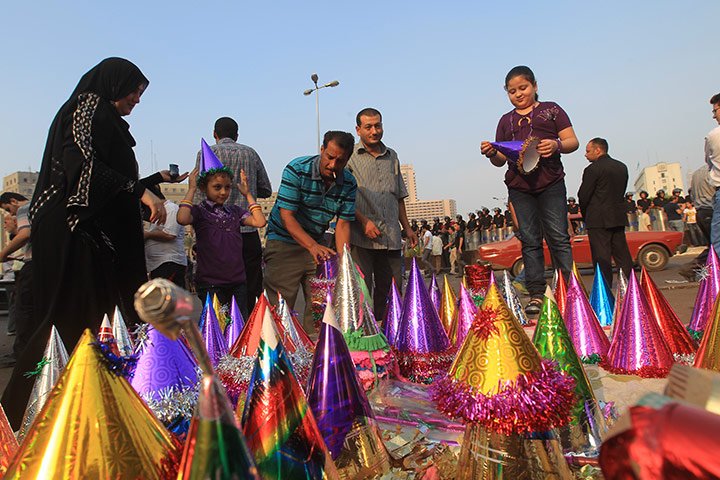
What holidays are celebrated in Egypt is a common question for travelers, students, and anyone curious about Egyptian culture. Egypt’s calendar reflects its unique identity, blending ancient traditions, Islamic observances, and modern national celebrations into a rich cultural rhythm.
From religious feasts that bring families together to national holidays that commemorate defining historical moments, Egyptian holidays are deeply tied to faith, history, and social life. Some are observed across the entire country, while others are celebrated mainly within specific religious communities.
In this article, we’ll explore what holidays are celebrated in Egypt, how they are observed, and why each one matters in everyday Egyptian life.
what holidays are celebrated in egypt?
Egypt celebrates a mix of religious and national holidays that reflect its Islamic heritage, Christian traditions, and modern history. Some holidays follow a fixed calendar, while others change each year based on the lunar Islamic calendar.
Religious Holidays in Egypt.
- Eid al-Fitr: Celebrates the end of Ramadan and is marked by family gatherings, prayers, and festive meals.
- Eid al-Adha: Commemorates the willingness of Prophet Ibrahim to sacrifice his son, observed with prayers and charitable giving.
- Ramadan: A holy month of fasting, prayer, and reflection for Muslims, deeply shaping daily life.
- Islamic New Year: Marks the beginning of the Hijri calendar.
- Mawlid al-Nabi: Celebrates the birth of the Prophet Muhammad.
- Coptic Christmas (January 7): Celebrated by Egypt’s Christian community with church services and family meals.
- Coptic Easter: Observed by Christians and preceded by a long fasting period.
- Sham El-Nessim: A spring festival with ancient Egyptian roots, celebrated by Egyptians of all religions.
National and Public Holidays in Egypt.
- Revolution Day (January 25): Commemorates the 2011 revolution.
- Sinai Liberation Day (April 25): Marks the return of the Sinai Peninsula to Egypt.
- Labor Day (May 1): Honors workers and labor contributions.
- Revolution Day (July 23): Celebrates the 1952 revolution.
- Armed Forces Day (October 6): Commemorates the crossing of the Suez Canal during the 1973 war.
These holidays play an important role in Egyptian social life, bringing together families, communities, and the nation as a whole.
Read:
Religious Festivals
Religious festivals form a central part of Egyptian life and are observed with strong social and spiritual traditions. Egypt officially recognizes Islamic and Christian holidays, reflecting the country’s religious diversity.
Islamic Religious Festivals.
- Ramadan: A holy month of fasting from dawn to sunset, focused on prayer, charity, and self-discipline. Daily routines change significantly, and evenings are marked by family gatherings and communal meals.
- Eid al-Fitr: Celebrates the end of Ramadan and is one of the most joyful holidays in Egypt. It includes special prayers, visits to relatives, gifts for children, and festive foods.
- Eid al-Adha: Commemorates Prophet Ibrahim’s devotion to God. It is observed with prayers and acts of charity, including the distribution of meat to those in need.
- Islamic New Year: Marks the beginning of the Hijri calendar and is observed as a day of reflection.
- Mawlid al-Nabi: Celebrates the birth of the Prophet Muhammad and is marked by religious gatherings and traditional sweets.
Christian Religious Festivals.
- Coptic Christmas (January 7): Celebrated with church services, family meals, and traditional dishes after a long fasting period.
- Coptic Easter: One of the most important Christian holidays, celebrating the resurrection of Jesus Christ and preceded by Lent.
- Palm Sunday: Commemorates the entry of Jesus into Jerusalem and is marked by church processions.
Shared Religious Celebration.
- Sham El-Nessim: A spring festival with ancient Egyptian origins, celebrated by Muslims and Christians alike. Families gather outdoors to enjoy traditional foods and welcome the arrival of spring.
Also read:
National Holidays
National holidays in Egypt commemorate key political, social, and military events that shaped the modern Egyptian state. These holidays are observed nationwide and often include official ceremonies, media coverage, and public events.
- Revolution Day (January 25): Marks the 2011 Egyptian Revolution and is also celebrated as Police Day.
- Sinai Liberation Day (April 25): Commemorates the return of the Sinai Peninsula to Egyptian sovereignty in 1982.
- Labor Day (May 1): Honors workers and their contributions to the country’s development.
- Revolution Day (July 23): Celebrates the 1952 revolution that ended the monarchy and led to the establishment of the republic.
- Armed Forces Day (October 6): Marks the start of the 1973 October War and the crossing of the Suez Canal by Egyptian forces.
These national holidays reinforce a shared sense of identity and collective memory, highlighting moments of struggle, independence, and national pride in Egypt’s modern history.
Ancient Traditions
Ancient traditions continue to influence how holidays are celebrated in Egypt today, linking modern Egyptians with customs that date back thousands of years. These traditions often revolve around nature, agriculture, and the changing seasons.
- Sham El-Nessim: One of the oldest continuously celebrated festivals in the world, dating back to ancient Egyptian times. It marks the beginning of spring and is celebrated with outdoor gatherings, picnics, and traditional foods such as salted fish, onions, and eggs.
- Seasonal Agricultural Customs: While not official holidays, planting and harvest traditions rooted in ancient Nile cycles still influence rural celebrations and local festivities.
- Symbolism of Renewal: Many Egyptian celebrations emphasize rebirth, renewal, and balance, concepts central to ancient Egyptian beliefs about life, nature, and the afterlife.
These ancient traditions highlight how Egypt’s modern holidays are layered over a deep historical foundation, making celebrations in Egypt a blend of the ancient past and living culture.
Cultural Practices
Cultural practices play a vital role in how holidays are experienced in Egypt, turning official dates into meaningful social events. These practices emphasize family bonds, hospitality, and shared traditions that cut across religious and social lines.
- Family Gatherings: Holidays are primarily family-centered. Relatives gather for large meals, visits, and extended celebrations, especially during Eid and major religious festivals.
- Traditional Foods: Each holiday is associated with specific dishes, such as kahk during Eid al-Fitr, festive meat dishes during Eid al-Adha, and feseekh during Sham El-Nessim.
- Public Celebrations: Parks, streets, and public spaces become lively during national and seasonal holidays, with outings, picnics, and community events.
- Religious Observance: Prayer, fasting, and attending religious services remain central practices during religious holidays, reinforcing spiritual reflection alongside celebration.
- Gift-Giving and Charity: Giving gifts to children and donating to those in need are common practices, especially during Islamic holidays.
These cultural practices give life to holidays in Egypt, ensuring that celebrations are not only commemorations of events, but expressions of shared values, tradition, and social unity.
Related:
What holidays does Egypt celebrate during the month of June?
Egypt has limited fixed holidays in June, but the month may include important national or religious celebrations depending on the year. Because Islamic holidays follow the lunar calendar, some major observances can fall in June and shift annually.
- June 30 Revolution Day (June 30): A national public holiday commemorating the 2013 mass protests that led to political change in Egypt. It is observed nationwide and recognized as an official state holiday.
- Eid al-Adha (date varies): One of the most important Islamic holidays. In some years, Eid al-Adha and its related days fall in June. When this happens, it is marked by public holidays, prayers, family gatherings, and charitable acts.
- Islamic New Year (date varies): Occasionally falls in June, depending on the lunar calendar. It is observed as a religious holiday and a day of reflection.
In years without major Islamic holidays occurring in June, celebrations are limited mainly to June 30 Revolution Day. This variability highlights how Egypt’s holiday calendar blends fixed national dates with movable religious observances.
Why is October 6 a holiday in Egypt?
- October 6 is a national holiday in Egypt because it commemorates the start of the October War of 1973, also known as the Yom Kippur War. On this day, Egyptian armed forces successfully crossed the Suez Canal and breached the Bar Lev Line, a heavily fortified Israeli defense system along the eastern bank of the canal.
- This military operation marked a major moment in modern Egyptian history. It restored national confidence after the 1967 defeat and demonstrated Egypt’s renewed military capability and strategic planning. The crossing of the canal became a powerful symbol of resilience, determination, and national unity.
- October 6 is officially observed as Armed Forces Day. It is marked by military ceremonies, official speeches, media programs, and public recognition of the Egyptian military.
- The holiday honors the soldiers who fought in the war and reinforces the importance of sovereignty and national defense in Egypt’s modern identity.
Related:
FAQ
What holidays are celebrated in Egypt?
Egypt celebrates a mix of religious and national holidays, including Islamic feasts such as Eid al-Fitr and Eid al-Adha, Christian holidays like Coptic Christmas and Easter, and national days such as Revolution Day and Armed Forces Day.
What are the main religious holidays in Egypt?
The main religious holidays include Ramadan, Eid al-Fitr, Eid al-Adha, Mawlid al-Nabi, Islamic New Year, Coptic Christmas, and Coptic Easter.
Are Egyptian holidays the same every year?
No. National holidays follow fixed dates, while Islamic holidays change each year because they are based on the lunar calendar.
Is Sham El-Nessim a religious holiday?
No. Sham El-Nessim is a seasonal spring festival with ancient Egyptian roots and is celebrated by Egyptians of all religions.
What is the most important national holiday in Egypt?
One of the most significant national holidays is October 6, known as Armed Forces Day, which commemorates the 1973 crossing of the Suez Canal.
Do businesses close during holidays in Egypt?
Government offices and banks usually close on public holidays, while private businesses may operate on reduced hours, especially during major religious festivals.
What holiday is celebrated in Egypt in June?
June 30 Revolution Day is the main fixed holiday in June, while major Islamic holidays may also fall in June depending on the lunar calendar.
Conclusion
Egypt’s holidays reflect the country’s rich layers of history, faith, and cultural continuity. From Islamic and Christian religious festivals to national commemorations and ancient seasonal traditions, each celebration plays a role in shaping everyday life and collective identity.
Understanding what holidays are celebrated in Egypt offers insight into how Egyptians honor their beliefs, remember key historical moments, and preserve customs that stretch back thousands of years. These holidays are not only days off work, but meaningful occasions centered on family, community, and shared values.
Together, Egypt’s religious, national, and cultural celebrations form a living calendar that connects the ancient past with the modern present, making holidays in Egypt a powerful expression of heritage, unity, and tradition.


Leave a Reply