How Tall is Mount Sinai? A Complete Guide to Egypt’s Sacred Peak
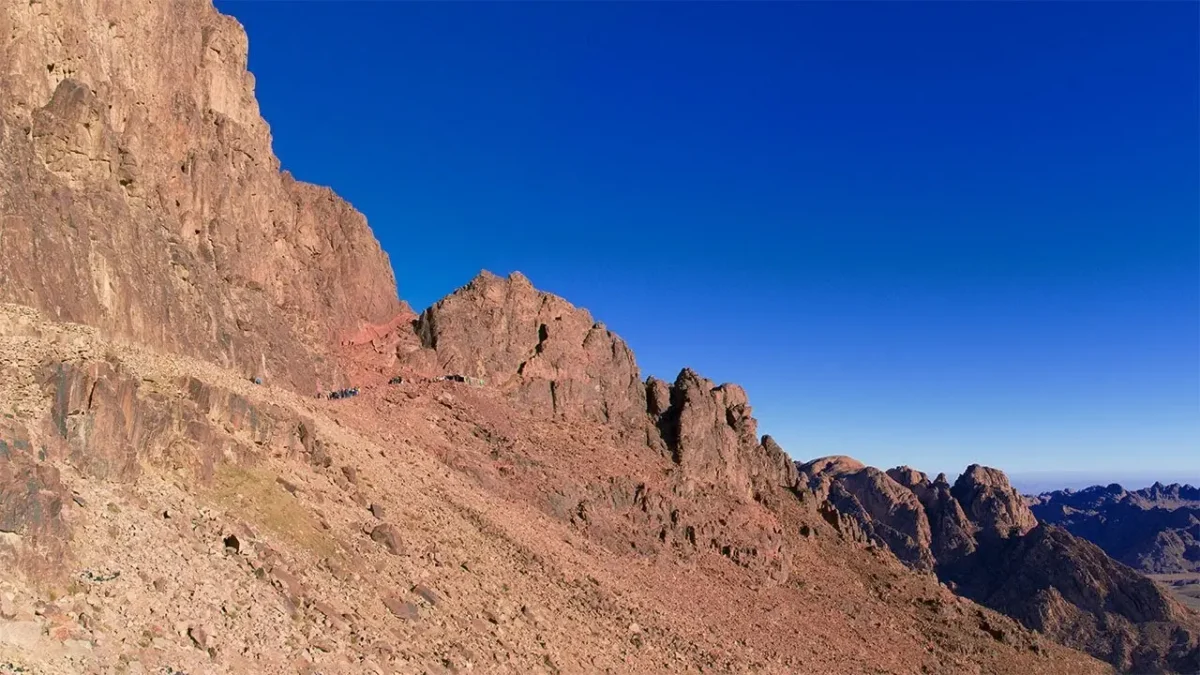
How tall is Mount Sinai?
It’s a simple question — yet one that often comes with confusion, debate, and religious curiosity.
Mount Sinai is one of the most sacred mountains in the world, revered in Judaism, Christianity, and Islam as the place where Moses received the Ten Commandments. Because of its spiritual significance, many people are surprised to learn that its height is far more modest than its global importance.
In this article, we’ll answer exactly how tall Mount Sinai is, explain which mountain is traditionally identified as Mount Sinai today, and explore why its height matters less than its meaning.
What mountain did Moses climb?
According to biblical, Jewish, Christian, and Islamic tradition, Moses climbed Mount Sinai, the sacred mountain where he received the Ten Commandments.
Today, the mountain most commonly identified as Mount Sinai is Jebel Musa (meaning “Mountain of Moses”) in the Sinai Peninsula of Egypt.
The Traditional Identification: Jebel Musa
For more than 1,500 years, Jebel Musa has been revered as the mountain Moses ascended. This identification dates back to the 4th century CE, when early Christian monks and the Byzantine Empire recognized it as the biblical Mount Sinai.
Key reasons Jebel Musa is traditionally accepted:
-
Long-standing religious tradition
-
Proximity to St. Catherine’s Monastery, one of the oldest Christian monasteries in the world
-
Local Bedouin oral history identifying it as Moses’ mountain
What the Bible Says
In the Bible, the mountain is called:
-
Mount Sinai (most common)
-
Mount Horeb (used in some passages)
The biblical texts do not give an exact geographic location, which is why later tradition played such a major role in identifying the site.
Islamic Tradition
In Islam, the mountain is known as Ṭūr Sīnāʾ or Ṭūr Sīnīn. The Qur’an also associates Moses (Musa) with this mountain, reinforcing the same general location in the Sinai region.
Is There Any Debate?
Yes. Some scholars and researchers propose alternative locations (such as sites in Saudi Arabia or other parts of the Sinai). However:
-
No alternative location has achieved broad scholarly or religious consensus
-
Jebel Musa remains the most widely accepted and visited site
Clear Answer
If you’re asking in the historical and traditional sense:
Moses is believed to have climbed Mount Sinai, traditionally identified today as Jebel Musa in Egypt.
This is the mountain pilgrims, historians, and travelers refer to when discussing Moses and the Ten Commandments.
how tall is mount sinai?
Mount Sinai is approximately 2,285 meters (7,497 feet) tall.
This measurement refers to Jebel Musa, the mountain in Egypt’s Sinai Peninsula that is traditionally identified as Mount Sinai, where Moses is believed to have received the Ten Commandments.
Quick Facts
-
Height: ~2,285 meters / 7,497 feet
-
Location: Sinai Peninsula, Egypt
-
Traditional Name: Jebel Musa (“Mountain of Moses”)
Why the Height Often Surprises People
Despite its immense religious importance, Mount Sinai is not among the world’s tallest mountains. Its significance comes from its spiritual and historical role, not its physical size.
To put it in perspective:
-
Mount Sinai is taller than many famous hills and sacred sites
-
But much shorter than major peaks like Mount Kilimanjaro or Mount Everest
Does the Height Change Depending on the Location?
Some alternative theories place Mount Sinai in different locations, which would imply different elevations. However:
-
Jebel Musa remains the most widely accepted site
-
Its height (2,285 meters) is the figure most scholars and travelers refer to
Simple Answer
If you’re asking the commonly accepted question:
Mount Sinai is about 2,285 meters (7,497 feet) tall.
Where is Mount Sinai?
Mount Sinai is traditionally located in the southern Sinai Peninsula of Egypt, near the town of Saint Catherine.
The mountain most widely identified as Mount Sinai today is called Jebel Musa (Arabic for “Mountain of Moses”).
The Traditional Location
-
Country: Egypt
-
Region: Southern Sinai Peninsula
-
Nearest town: Saint Catherine
-
Traditional name: Jebel Musa
This location has been accepted for more than 1,500 years, dating back to early Christian tradition in the 4th century CE.
Why This Location Is Accepted
Jebel Musa is recognized as Mount Sinai because of:
-
Early Christian identification during the Byzantine period
-
The presence of Saint Catherine’s Monastery, one of the oldest Christian monasteries in the world
-
Continuous Jewish, Christian, and Islamic tradition
-
Local Bedouin history associating the mountain with Moses
What the Bible and Qur’an Say
-
The Bible refers to the mountain as Mount Sinai or Mount Horeb but does not give exact coordinates
-
The Qur’an refers to it as Ṭūr Sīnāʾ or Ṭūr Sīnīn, also without precise geography
Because the scriptures don’t specify an exact location, tradition played a key role in identifying the site.
Is the Location Disputed?
Yes. Some scholars propose alternative locations (including sites in Saudi Arabia or other parts of the Sinai). However:
-
No alternative has broad scholarly or religious consensus
-
Jebel Musa remains the most widely accepted and visited site
Simple Answer
If you’re asking in the traditional and historical sense:
Mount Sinai is located in southern Egypt’s Sinai Peninsula, traditionally identified as Jebel Musa near Saint Catherine.
The History of Mount Sinai
The history of Mount Sinai stretches across thousands of years, blending religion, tradition, and scholarship. Its importance does not come from recorded battles or empires, but from its role as a sacred meeting place between humanity and the divine.
Mount Sinai in Ancient Tradition
Mount Sinai is best known as the mountain where Moses received the Ten Commandments from God. This event is central to:
-
Judaism – as the foundation of the covenant and the Law (Torah)
-
Christianity – as a key moment in biblical history
-
Islam – where Moses (Musa) speaks directly with God (Allah)
In ancient texts, the mountain represents revelation, law, and divine authority, not political power.
Biblical and Qur’anic Accounts
-
In the Hebrew Bible, the mountain is called Mount Sinai or Mount Horeb
-
In the Qur’an, it is referred to as Ṭūr Sīnāʾ or Ṭūr Sīnīn
While the scriptures describe dramatic events—fire, smoke, thunder, and divine presence—they do not provide precise geographical details, leaving later generations to identify its location through tradition.
Early Christian Era and Identification
The strongest historical identification of Mount Sinai comes from the 4th century CE, during the Byzantine period. Early Christian monks believed the sacred mountain was located in the southern Sinai Peninsula.
Key milestones:
-
Christian hermits settled the area seeking spiritual isolation
-
The site became a major pilgrimage destination
-
Emperor Justinian I ordered the construction of Saint Catherine’s Monastery in the 6th century
This monastery cemented Jebel Musa as the traditional Mount Sinai.
Islamic History and Continuity
After the spread of Islam in the 7th century, Mount Sinai retained its sacred status. Islamic tradition fully embraced Moses’ connection to the mountain, and the region remained protected and revered.
Notably:
-
Saint Catherine’s Monastery was granted protection under Islamic rule
-
The site continued to attract pilgrims of multiple faiths
This continuity is rare and significant in the region’s history.
Medieval to Modern Period
Throughout the Middle Ages, Mount Sinai remained a destination for:
-
Pilgrims
-
Scholars
-
Travelers documenting sacred geography
In modern times, archaeological study and historical research have increased interest in alternative locations, but no competing site has replaced the traditional identification in mainstream religious history.
Why Mount Sinai’s History Matters
Mount Sinai is not important because of conquest or wealth. Its power lies in what it represents:
-
Law and moral order
-
Divine-human connection
-
Spiritual transformation
Its history shows how a single place can shape religious thought, ethics, and identity for billions of people across millennia.
Historical Takeaway
Mount Sinai’s history is less about stone and elevation, and more about belief, continuity, and meaning. Whether approached through faith or history, it remains one of the most influential mountains the world has ever known.
Read:
Visiting Mount Sinai
Visiting Mount Sinai is both a spiritual journey and a physical adventure. Whether you’re motivated by faith, history, or nature, the experience of standing atop this sacred mountain is unforgettable.
Where Visitors Start
Most visits to Mount Sinai begin in the town of Saint Catherine, located at the foot of the mountain in Egypt’s southern Sinai Peninsula. This small town serves as the gateway for pilgrims, hikers, and tourists.
Nearby is Saint Catherine’s Monastery, a UNESCO World Heritage Site and one of the oldest functioning Christian monasteries in the world. Many visitors explore the monastery before or after the climb.
Hiking Mount Sinai
There are two main routes to the summit of Jebel Musa:
-
Camel Path
-
Longer but gentler route
-
Partially accessible by camel
-
Suitable for those who want a less strenuous ascent
-
-
Steps of Repentance
-
Steep staircase of roughly 3,750 stone steps
-
Traditionally climbed by monks and pilgrims
-
Shorter but physically demanding
-
Most hikers use a combination of both.
When to Climb
The most popular time to climb Mount Sinai is at night, reaching the summit just before sunrise.
Why sunrise?
-
Cooler temperatures
-
Fewer crowds during ascent
-
Spectacular sunrise views over the Sinai mountains
The climb usually takes 2.5 to 4 hours, depending on pace and route.
What to Expect at the Summit
At the top, visitors find:
-
A small mosque
-
A Greek Orthodox chapel
-
Panoramic views of rugged desert mountains
Many people describe the summit experience as peaceful, emotional, and reflective, regardless of religious background.
Practical Tips for Visitors
-
Dress warmly (temperatures drop significantly at night)
-
Wear sturdy walking shoes
-
Bring water and light snacks
-
Use a local guide (often required for safety reasons)
-
Take your time — the climb is not a race
Is It Safe to Visit?
Mount Sinai is generally safe for visitors, especially when:
-
Traveling with licensed local guides
-
Visiting as part of an organized group
-
Following local regulations and advice
Tourism in the Saint Catherine area is closely monitored due to its cultural and religious importance.
A Meaningful Experience
Visiting Mount Sinai is not just about reaching a peak. For many, it’s about:
-
Reflection
-
Connection to history
-
Spiritual contemplation
Whether you come as a pilgrim or a traveler, Mount Sinai offers a rare chance to step into a place where faith, history, and landscape intersect.
Hiking Mount Sinai
Hiking Mount Sinai is one of the most iconic and accessible sacred hikes in the world. While it doesn’t require technical climbing skills, it does demand preparation, patience, and respect for the environment.
How Difficult Is the Hike?
Hiking Mount Sinai is considered moderate in difficulty.
-
Distance: ~7 km (round trip, depending on route)
-
Elevation gain: steady but manageable
-
No technical climbing required
People of varying fitness levels complete the hike every day, especially when taking breaks and pacing themselves.
The Two Main Hiking Routes
There are two primary paths to the summit of Jebel Musa:
1. Camel Path
-
Longer but less steep
-
Mostly dirt trail with gradual incline
-
Camels can be used part of the way (optional)
-
Ideal for beginners or those wanting a slower ascent
2. Steps of Repentance
-
About 3,750 stone steps
-
Much steeper and physically demanding
-
Traditionally climbed by monks and pilgrims
-
Often used for the final ascent to the summit
Most hikers combine both routes: Camel Path first, Steps of Repentance near the top.
Night Hike vs. Day Hike
Most visitors choose to hike at night.
-
Cooler temperatures
-
Arrival at summit for sunrise
-
Magical atmosphere and quieter trail
Day hikes are possible but can be very hot, especially outside winter months.
How Long Does the Hike Take?
-
Ascent: 2.5–4 hours
-
Descent: 1.5–3 hours
Time varies based on fitness, weather, and how often you stop to rest.
What to Wear and Bring
-
Warm layers (it gets cold at night and at the summit)
-
Comfortable hiking shoes or sneakers
-
Water (at least 1.5–2 liters)
-
Light snacks
-
Flashlight or headlamp
-
Small backpack
Local tea stalls exist along the path, but you shouldn’t rely on them.
Guides and Safety
-
A local Bedouin guide is often required or strongly recommended
-
Guides help with navigation, pacing, and safety
-
Hiking with a group adds comfort and security
The trail is well-known, but weather and darkness make guidance important.
What Makes the Hike Special
Hiking Mount Sinai isn’t just physical—it’s emotional and reflective.
-
Silence of the desert at night
-
Star-filled skies
-
Sunrise over rugged mountains
Many hikers describe the experience as peaceful, humbling, and unforgettable, regardless of religious background.
Hiking Takeaway
Hiking Mount Sinai is achievable for most people who prepare properly. It’s not about speed or strength—it’s about presence, patience, and perspective.
Also read:
When is the best time to visit Mount Sinai?
The best time to visit Mount Sinai is from October to April, when temperatures are cooler and hiking conditions are most comfortable. This period offers the safest and most enjoyable experience, especially if you plan to climb the mountain.
Best Months Overall: October–April
During these months:
-
Daytime temperatures are mild
-
Night hikes are cooler but manageable
-
Sunrise views are clearer
-
The risk of extreme heat is low
This is the peak season for pilgrims, hikers, and tourists.
Best Season Breakdown
Autumn (October–November)
-
One of the best times to visit
-
Pleasant temperatures day and night
-
Fewer crowds than peak winter
-
Ideal for hiking and sightseeing
Winter (December–February)
-
Popular but cold at night
-
Nighttime temperatures can drop near freezing
-
Snow is rare but possible
-
Requires warm clothing, especially at the summit
Winter offers a unique, quiet atmosphere but demands preparation.
Spring (March–April)
-
Excellent balance of mild weather and clear skies
-
Slightly warmer nights than winter
-
Wild desert landscapes look their best
-
One of the most recommended periods
Months to Be Cautious: May–September
Summer months bring extreme heat, especially during the day.
-
Daytime temperatures can exceed 35–40°C (95–104°F)
-
Day hikes can be dangerous due to heat exhaustion
-
Night hikes are still possible but less comfortable
If visiting in summer, a night hike only is strongly recommended.
Best Time of Day to Visit
The most popular and rewarding option is a night hike to reach the summit at sunrise.
-
Cooler temperatures during ascent
-
Stunning sunrise over the Sinai mountains
-
Spiritual and peaceful atmosphere
Most climbers begin between midnight and 2 a.m.
Best Time Summary
-
Best months: October–April
-
Best overall seasons: Autumn and spring
-
Best time of day: Night hike for sunrise
-
Least recommended: Peak summer daytime visits
Final Tip
If you want the best combination of comfort, safety, and experience, plan your Mount Sinai visit between October and April and hike overnight to watch the sunrise. It’s when the mountain truly reveals its beauty and meaning.
How to get to Mount Sinai?
Getting to Mount Sinai (Jebel Musa) requires a bit of planning, but the journey is straightforward once you know the route. The mountain is located in a remote part of Egypt, so visitors usually travel in stages.
Step 1: Get to Egypt
Most international travelers arrive in Egypt through:
-
Cairo International Airport (CAI) – the most common entry point
-
Sharm El Sheikh International Airport (SSH) – closer to Mount Sinai and popular with tourists
Your choice depends on time, budget, and travel style.
Step 2: Travel to Saint Catherine
Saint Catherine is the town at the base of Mount Sinai and the main starting point for all hikes.
From Cairo to Saint Catherine
-
By car or private transfer:
-
6–7 hours
-
Most comfortable and flexible option
-
-
By bus:
-
Available but long and less convenient
-
Usually requires a change in towns
-
Many travelers choose organized tours or private drivers from Cairo.
From Sharm El Sheikh to Saint Catherine
-
By car or tour bus:
-
2.5–3 hours
-
Most popular and easiest route
-
-
Many tours leave Sharm El Sheikh in the evening for a night hike
This is the most common route for visitors.
Step 3: Reaching the Trailhead
Once in Saint Catherine:
-
The trailhead to Mount Sinai is a short drive from town
-
Local Bedouin guides usually meet visitors here
-
Guides are often required or strongly recommended for safety
From the trailhead, you begin the hike up Jebel Musa.
Organized Tours vs. Independent Travel
Organized Tours
-
Include transportation, guide, and permits
-
Ideal for first-time visitors
-
Less planning stress
Independent Travel
-
Possible, but requires advance arrangements
-
You’ll still need a local guide
-
Best for experienced travelers
Important Travel Notes
-
Carry your passport or a copy
-
Follow local security instructions
-
Travel times may vary due to checkpoints
Simple Route Summary
-
Fly to Cairo or Sharm El Sheikh
-
Travel to Saint Catherine by car or tour
-
Start the hike from the Mount Sinai trailhead
Final Tip
If you want the easiest and most popular option, fly to Sharm El Sheikh and join a guided tour to Saint Catherine. It’s efficient, safe, and ideal for experiencing Mount Sinai without logistical stress.
Related:
Things to see and do on Mount Sinai
Mount Sinai is more than a hike to the summit—it’s a place where nature, history, and spirituality intersect. Whether you spend a few hours or a full day in the area, there are several meaningful things to see and do.
Watch the Sunrise from the Summit
The most iconic experience on Mount Sinai is watching the sunrise from the top.
-
Sweeping views of the rugged Sinai mountains
-
Soft light spreading across the desert
-
A quiet, reflective atmosphere shared by pilgrims and travelers
For many visitors, this moment is the highlight of the entire trip.
Visit the Summit Chapel and Mosque
At the summit, you’ll find:
-
A small Greek Orthodox chapel
-
A small mosque
Their presence side by side reflects Mount Sinai’s importance to multiple faiths. Even when closed, they add deep symbolic meaning to the summit.
Walk the Ancient Paths
As you hike, you’re following routes used for centuries by:
-
Pilgrims
-
Monks
-
Local Bedouins
The Camel Path and the Steps of Repentance are experiences in themselves, offering changing views and quiet moments for reflection.
Explore Saint Catherine’s Monastery
Located at the foot of Mount Sinai, Saint Catherine’s Monastery is a must-see.
-
One of the oldest continuously operating monasteries in the world
-
Houses ancient manuscripts, icons, and the famous Burning Bush tradition
-
A UNESCO World Heritage Site
Plan time to visit during its limited morning opening hours.
Experience the Desert Landscape
The Sinai desert is strikingly beautiful:
-
Dramatic rock formations
-
Clear night skies filled with stars
-
Absolute silence in many areas
Simply being present in this environment is an experience in itself.
Interact with Bedouin Culture
Local Bedouins are deeply connected to Mount Sinai.
-
Tea stalls along the trail
-
Stories and guidance from local guides
-
Insight into traditional desert life
These interactions add warmth and authenticity to the journey.
Photography and Reflection
Mount Sinai offers incredible opportunities for:
-
Landscape photography
-
Night sky photos
-
Quiet personal reflection
Many visitors find the mountain encourages slowing down and contemplation.
Things to Do Summary
-
Watch sunrise from the summit
-
Visit the chapel and mosque
-
Hike historic paths
-
Explore Saint Catherine’s Monastery
-
Enjoy the desert scenery
-
Learn from Bedouin guides
Final Thought
Mount Sinai isn’t about rushing from one attraction to another. The true value lies in the experience itself—the climb, the silence, the history, and the sense of standing in a place that has shaped human belief for thousands of years.
How wide Is Mount Sinai?
Unlike height, the width of Mount Sinai does not have a single, precise measurement. That’s because Mount Sinai (traditionally identified as Jebel Musa) is not a narrow peak—it’s part of a larger mountainous massif.
The Short, Accurate Answer
-
Mount Sinai does not have a fixed “width”
-
The mountain spreads across several kilometers as part of a rugged mountain range
-
Its base blends into surrounding peaks and valleys rather than forming a clear edge
In simple terms, Mount Sinai is broad and expansive, not a single isolated cone.
Why Width Is Hard to Measure
Mount Sinai:
-
Has multiple ridges and slopes
-
Gradually rises from surrounding terrain
-
Is connected to nearby mountains such as Mount Catherine (Egypt’s highest peak)
Because of this, historians and geographers describe Mount Sinai by:
-
Height (2,285 meters / 7,497 feet)
-
Area and terrain
-
Religious and historical boundaries, not physical width
Estimated Scale (Helpful Context)
While there is no official figure, the Mount Sinai massif:
-
Spans several kilometers across
-
Takes hours to hike across different routes
-
Encompasses valleys, paths, and plateaus, not just the summit
The hiking experience itself gives a sense of its breadth—this is not a narrow climb, but a long journey through open desert mountains.
Why Width Matters Less Than Meaning
Historically and spiritually, Mount Sinai is defined by:
-
The summit associated with revelation
-
The surrounding sacred landscape
-
Its role as a meeting place between the divine and humanity
Its importance comes from what happened there, not from precise physical dimensions.
Simple Takeaway
If you’re asking practically:
-
Height: clearly defined
-
Width: not fixed, spread across a wide mountainous area
Mount Sinai is best understood as a broad sacred mountain region, not a single measurable peak.
Suggested:
FAQ
Where is Mount Sinai located?
Mount Sinai is traditionally located in the southern Sinai Peninsula of Egypt, near the town of Saint Catherine. The mountain most commonly identified as Mount Sinai today is Jebel Musa (“Mountain of Moses”).
How tall is Mount Sinai?
Mount Sinai is approximately 2,285 meters (7,497 feet) tall, based on the height of Jebel Musa.
How wide is Mount Sinai?
Mount Sinai does not have a single fixed width. It is part of a broad mountainous massif that spreads across several kilometers, with multiple ridges, valleys, and slopes rather than a clearly defined edge.
What mountain did Moses climb?
According to Jewish, Christian, and Islamic tradition, Moses climbed Mount Sinai, traditionally identified as Jebel Musa in Egypt.
Is Mount Sinai the same as Mount Horeb?
In biblical texts, Mount Sinai and Mount Horeb are generally considered the same mountain, referred to by different names in different passages.
Is the location of Mount Sinai disputed?
Yes. Some scholars propose alternative locations, including other parts of the Sinai Peninsula or sites in Saudi Arabia. However, Jebel Musa remains the most widely accepted location based on long-standing religious tradition.
Can you visit Mount Sinai today?
Yes. Mount Sinai is open to visitors and pilgrims. Most people stay in Saint Catherine and hike the mountain, often overnight to reach the summit at sunrise.
How difficult is it to hike Mount Sinai?
The hike is considered moderate. It does not require technical climbing, but it does involve several hours of walking and some steep sections, especially on the Steps of Repentance.
When is the best time to visit Mount Sinai?
The best time to visit is from October to April, when temperatures are cooler. The most popular experience is a night hike to watch the sunrise from the summit.
Is Mount Sinai safe to visit?
Mount Sinai is generally safe for visitors, especially when traveling with licensed local guides and following local regulations.
Is Mount Sinai Hospital located in Egypt?
No. Mount Sinai Hospital is not located in Egypt. The name refers to hospitals mainly in the United States and Canada. Mount Sinai (the mountain) is in Egypt, but there is no hospital there with that name.
Why is Mount Sinai important?
Mount Sinai is sacred to Judaism, Christianity, and Islam as the place where Moses received divine revelation. Its importance lies in its spiritual and historical significance, not just its physical features.
Conclusion



Leave a Reply