The Pharaoh’s Final Resting Place: Unveiling the exact location of where is the Valley of the Kings located in Egypt
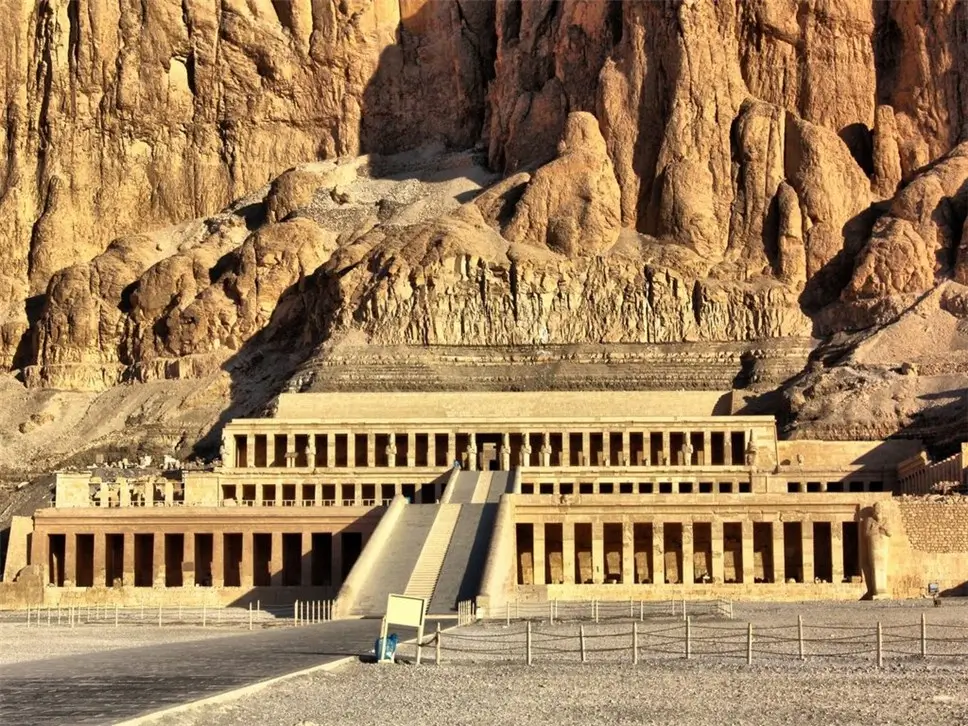
The question of where is the Valley of the Kings located in Egypt leads us into one of the most mysterious landscapes on Earth — a silent desert valley where ancient pharaohs carved their tombs deep into the limestone hills.
Hidden beyond the lush banks of the Nile and shielded by mountains shaped like a natural pyramid, the Valley of the Kings is a place where history sleeps, untouched by time yet alive with wonder.
Imagine stepping into a land that once echoed with the footsteps of royal funerary processions. Here, beneath layers of sand and stone, lie the resting places of Egypt’s most powerful rulers — from the mighty Ramses the Great to the boy king, Tutankhamun.
The valley is more than a burial site; it is a gateway to the afterlife, a sacred landscape designed to protect the souls of those who shaped Egypt’s golden age.
But where exactly is this legendary valley, and why was this remote place chosen for the tombs of kings?
The valley of the kings
The Valley of the Kings is one of the most iconic archaeological sites in the world — a vast royal necropolis where Egypt’s New Kingdom pharaohs were buried in deep, hidden tombs carved into the mountains of western Thebes (modern-day Luxor).
For nearly 500 years, this remote desert valley served as the final resting place for Egypt’s most powerful rulers, noblemen, and select members of the royal court.
A Royal City of the Dead
Unlike earlier pharaohs who built towering pyramids visible for miles, the New Kingdom rulers sought secrecy and protection.
The Valley of the Kings provided exactly that: rugged cliffs, winding desert paths, and natural isolation. Here, craftsmen carved elaborate tombs filled with paintings, treasures, and religious texts meant to guide the pharaoh through the afterlife.
More than 60 tombs are currently recorded in the valley, each varying in size, design, and complexity. Some stretch hundreds of feet into the mountain with long corridors, pillared halls, and decorated burial chambers. Others are small and unfinished, reflecting sudden deaths or political changes.
Famous Tombs Within the Valley
Some of the most remarkable tombs discovered include:
-
KV62 – Tutankhamun: The only nearly intact royal tomb ever found, filled with more than 5,000 treasures.
-
KV5 – Tomb of the Sons of Ramses II: One of the largest tomb complexes in Egypt.
-
KV17 – Seti I: Known for its long passages and exquisitely detailed wall paintings.
-
KV34 – Thutmose III: A uniquely designed tomb with symbolic art and steep descending corridors.
Each tomb reveals a different chapter in the story of Egyptian religion, art, and royal life.
A Landscape of Mystery and Discovery
Even today, the Valley of the Kings remains a site of ongoing archaeological work. New chambers, artifacts, and inscriptions continue to be uncovered, showing that the valley’s secrets are far from exhausted. Its dry desert climate has helped preserve some of the most vivid ancient artwork in the world.
A Sacred Place That Lives On
For the ancient Egyptians, this valley was not just a burial ground. It was a doorway — a carefully crafted transition from life to eternity. For modern visitors, it is a place where history comes alive, offering a glimpse into the beliefs, power, and artistry of a civilization that continues to fascinate the world.
Where is the valley of the kings located in egypt?
The Valley of the Kings is located on the west bank of the Nile River in Luxor, a city in southern Egypt that was once the ancient capital of Thebes. Nestled between rugged desert cliffs and sheltered by mountains shaped like a natural pyramid, the valley lies in a remote and arid region designed to protect the tombs of New Kingdom pharaohs.
Its Exact Geographic Location
The valley sits:
-
Across the Nile from modern Luxor,
-
In the Theban Necropolis,
-
At the edge of the Libyan Desert,
-
South of the well-known Valley of the Queens.
This area was carefully chosen for its isolation, natural defenses, and symbolic connection to the setting sun — a powerful symbol of death and rebirth in ancient Egyptian belief.
Why Luxor’s West Bank?
The west bank of the Nile was historically associated with the afterlife. In ancient Egyptian mythology, the sun god Ra “died” in the west each evening, making westward lands sacred places for burial. This spiritual symbolism made the region ideal for a royal necropolis.
Additionally:
-
The cliffs offered natural concealment for tomb entrances.
-
The dry desert climate helped preserve the decorated walls and artifacts.
-
Its remoteness reduced the risk of tomb robbery — at least in theory.
Nearby Landmarks and Sites
Visitors today will find the Valley of the Kings near several major archaeological locations:
-
Hatshepsut’s Mortuary Temple (Deir el-Bahari)
-
The Valley of the Queens
-
The Ramesseum
-
The Colossi of Memnon
-
Medinet Habu
Together, these sites form one of the richest archaeological landscapes in the world.
Modern Access for Travelers
The valley is easily reachable from Luxor by car, taxi, or guided tour. Visitors enter through a visitor center before boarding small trams that travel deeper into the mountain basin where the tombs are located.
A Legendary Location Preserved in Time
Standing in the Valley of the Kings means standing in the heart of ancient Egyptian history — a silent desert world that once guarded the secrets of pharaohs for more than three millennia.
When was the Valley of the Kings discovered?
The Valley of the Kings was never truly “discovered” in a single moment, because its existence was known in antiquity and throughout much of history. However, the valley fell into obscurity after the decline of ancient Egypt, and its rediscovery as an important archaeological site unfolded gradually during the European explorations of the 18th and 19th centuries.
Early Rediscovery in the 1700s
Modern awareness of the valley began around the 1700s, when European travelers, scholars, and explorers started visiting Luxor and documenting its ancient ruins. These early investigations identified the valley as the burial site of New Kingdom pharaohs.
Scientific Exploration in the 1800s
The true archaeological study of the Valley of the Kings began in the 19th century, particularly during the time of early Egyptologists such as:
-
James Burton
-
John Gardner Wilkinson
-
Karl Richard Lepsius
These researchers mapped tombs, recorded inscriptions, and began systematic excavations that transformed the valley into one of the most important archaeological sites in the world.
The Peak Moment: Tutankhamun’s Tomb (1922)
Although the valley had already been partly explored, its global fame soared in 1922, when Howard Carter discovered the nearly intact tomb of King Tutankhamun (KV62). This single discovery turned the Valley of the Kings into an international sensation and marked the beginning of modern Egyptology as we know it.
In Summary
-
The valley was known in antiquity.
-
Rediscovery began in the 1700s.
-
Scientific exploration took off in the 1800s.
-
Worldwide recognition came in 1922 with the discovery of Tutankhamun’s tomb.
Today, the Valley of the Kings continues to be excavated, reminding us that even after centuries of study, its secrets are far from fully uncovered.
Read:
How to Get to the Valley of the Kings?
Reaching the Valley of the Kings is one of the highlights of any trip to Egypt. Located on the west bank of Luxor, the journey is easy, scenic, and accessible by several transportation options. Whether you prefer guided tours, private taxis, or independent travel, here is the simplest way to get there.
1. Start in Luxor
Your journey begins in Luxor, a southern Egyptian city known for its temples, tombs, and archaeological treasures. Most visitors arrive by:
-
A short flight from Cairo,
-
An overnight train, or
-
A Nile cruise that stops in Luxor.
Once in Luxor, traveling to the valley is straightforward.
2. Cross to the West Bank
The Valley of the Kings is located on Luxor’s west bank, opposite the main city. You can reach it by:
-
Taxi or private car via the main bridge,
-
Hiring a licensed tour guide, who provides transportation,
-
Ferry boats across the Nile, followed by a taxi or tuk-tuk on the west side.
Crossing the river offers beautiful views of the Nile and surrounding villages.
3. Take a Taxi, Bus, or Guided Tour
From the west bank, the valley is about 20–30 minutes away by road. The easiest options include:
-
Private taxi: Convenient and affordable.
-
Group or private tour: Includes transport, tickets, and historical explanations.
-
Ride services or hotels: Many hotels arrange transportation upon request.
Tours are helpful because guides can explain the history before you enter the tombs (guides cannot speak inside the tombs themselves).
4. Arrive at the Visitor Center
All visitors enter through the Valley of the Kings Visitor Center, where you can:
-
Purchase entry tickets,
-
Learn about tomb layouts,
-
Board a small tram that takes you deeper into the valley.
This system helps protect the archaeological site from excessive foot traffic.
5. Explore the Tombs
Once inside the valley, you can explore several open tombs. Your standard ticket includes three tombs, but you can purchase additional tickets for special tombs such as:
-
Tutankhamun (KV62)
-
Seti I (KV17)
-
Ramses VI (KV9)
Walking through these ancient corridors is a remarkable experience, offering a close look at the artwork, funerary texts, and sacred architecture of the New Kingdom.
Travel Tips for Visiting
-
Visit early in the morning to avoid heat and crowds.
-
Bring water, comfortable shoes, and sun protection.
-
Photography rules vary by tomb, so check restrictions.
-
Consider exploring nearby sites like Hatshepsut’s Temple and the Colossi of Memnon.
How to Get Around the Valley of the Kings?
Getting around the Valley of the Kings is simple, well-organized, and designed to protect the archaeological landscape while offering visitors an easy and enjoyable experience. Once you arrive at the valley, you will find that movement between the tombs and key areas is straightforward.
Start at the Visitor Center
Your visit begins at the official Valley of the Kings Visitor Center, where you can:
-
Purchase entrance tickets and special tomb tickets.
-
View exhibits about the valley’s history and layout.
-
Access restrooms, shaded seating, and basic services.
From here, an electric tram takes you deeper into the archaeological zone.
Use the Electric Tram
A small, open-air electric tram runs from the visitor center to the main entrance of the valley. This short ride:
-
Saves time and energy in the desert heat.
-
Reduces foot traffic across sensitive archaeological areas.
-
Helps preserve the landscape.
The tram is included in your general ticket and operates continuously.
Walk Between the Tombs
Once inside the main valley, the primary way to explore is on foot. The tombs are arranged along a wide desert path, making it easy to:
-
Follow signs directing you to specific tombs.
-
Explore at your own pace.
-
Choose which tombs to visit based on your ticket type.
The walkways are paved or well-maintained, though some areas include gentle slopes or ramps.
Understand Tomb Access
Your general ticket typically includes entry to three rotating tombs. Special tickets are required for high-interest sites such as:
-
Tutankhamun (KV62)
-
Seti I (KV17)
-
Ramses V–VI (KV9)
Each tomb has a clearly marked entrance with staff who validate your ticket.
Use Local Guides (Outside the Tombs)
Guides are available at the visitor center or through tour groups. While guides cannot speak inside the tombs to protect the artwork, they provide valuable explanations before you enter.
Facilities Inside the Valley
Within the valley, you will also find:
-
Shaded rest areas.
-
Security personnel.
-
Information boards describing each tomb.
These facilities ensure comfort and safety while preserving the archaeological environment.
Tips for Moving Around Easily
-
Wear comfortable walking shoes for uneven surfaces.
-
Bring water, sunscreen, and a hat — shade is limited.
-
Visit early in the morning to avoid crowds and heat.
-
Follow marked paths to protect both yourself and the site.
A Journey at Your Own Pace
Whether you choose to explore three tombs or ten, getting around the Valley of the Kings is designed to be visitor-friendly while respecting the fragile, ancient landscape. As you walk beneath the desert cliffs that shelter the tombs of pharaohs, every step becomes part of your journey into Egypt’s royal past.
Also read:
Which Tombs are Open in the Valley of the Kings?
The Valley of the Kings operates on a rotating system, meaning not all tombs are open at the same time. To protect the artwork from heat, humidity, and foot traffic, the Egyptian Ministry of Tourism carefully selects which tombs remain accessible to visitors. However, several tombs are almost always open, while others open periodically or require special tickets.
Tombs Commonly Open with the Standard Ticket
Your general admission ticket typically allows entry to three rotating tombs from the following group, which usually includes:
-
Tomb of Ramses III (KV11)
-
Tomb of Ramses IV (KV2)
-
Tomb of Merenptah (KV8)
-
Tomb of Ramses IX (KV6)
-
Tomb of Siptah (KV47)
These tombs are popular because they are well-preserved, richly decorated, and offer excellent insight into New Kingdom art and burial traditions.
Tombs Requiring an Additional Ticket
Some of the most famous and beautifully decorated tombs require separate entry tickets, purchased individually at the visitor center.
Tutankhamun (KV62)
The most iconic tomb in the valley. Although small, it houses the boy king’s actual mummy and original sarcophagus.
Seti I (KV17)
One of the most elaborately painted tombs ever discovered, known for its depth, detail, and extraordinary preservation.
Ramses V–VI (KV9)
A spectacular double tomb featuring celestial artwork, vivid wall carvings, and impressive architecture.
Tombs Occasionally Open for Limited Access
Some tombs open periodically based on conservation conditions or special archaeological decisions:
-
Tuthmosis III (KV34)
-
Amenhotep II (KV35)
-
Ramses VII (KV1)
-
Ramses I (KV16)
These tombs offer rare glimpses into unique architectural layouts, symbolic artwork, and funerary innovations.
Why Tombs Rotate
To protect ancient wall paintings and fragile structures, tombs cannot receive unlimited visitors. Rotating access helps:
-
Reduce damage from humidity and carbon dioxide.
-
Preserve fading pigments.
-
Allow restoration teams to work safely.
-
Share foot traffic across the valley.
How to Know Which Tombs Are Open During Your Visit
The tomb schedule may vary seasonally, but you can instantly check at:
-
The Valley of the Kings Visitor Center (official list updated daily).
-
Your tour guide or transportation provider.
-
Posted signs at the valley entrance and tram area.
A Valley That Always Has More to Discover
Even though not all tombs are open at once, the Valley of the Kings ensures visitors always have access to a rich selection of beautifully preserved burial sites. Every open tomb offers something unique — from deep corridors and celestial ceilings to vivid paintings that have survived more than 3,000 years.
How Much Does It Cost to Visit the Valley of the Kings?
The cost of visiting the Valley of the Kings depends on the type of ticket you choose and which tombs you want to explore. Egypt adjusts its ticket prices periodically, so exact amounts can vary. However, the overall ticket system remains consistent, making it easy for visitors to understand what to expect.
General Admission Ticket
Your standard Valley of the Kings ticket includes entry to the visitor center and three open tombs from a rotating selection. This is the essential ticket that every visitor needs.
Special Tomb Tickets
Some of the most famous tombs require an additional ticket. These optional tickets are purchased separately at the visitor center. The most common special tickets include:
Tutankhamun (KV62)
A separate ticket is required to see the boy king’s actual mummy and original burial chamber.
Seti I (KV17)
This is one of the most beautifully decorated and well-preserved tombs, and it requires a premium ticket.
Ramses V–VI (KV9)
A combined tomb offering extraordinary artwork and deep corridors, also requiring an additional ticket.
Photography Tickets
Certain photography rules apply inside the valley:
-
Mobile phone photography is often allowed with a small fee or included with your main ticket.
-
Professional cameras may require a separate photography pass.
-
Flash is prohibited inside all tombs to protect the artwork.
Rules may vary depending on conservation decisions.
Additional Costs to Consider
Visitors may also spend on:
-
Transportation (taxi, tour bus, private driver).
-
Guide services (recommended for historical context).
-
Tram ride from the visitor center to the tomb area (often included in the main ticket).
Where to Find the Exact Current Price
Because prices change occasionally, the most reliable sources for up-to-date ticket costs are:
-
The Valley of the Kings Visitor Center (official list posted daily).
-
The Egyptian Ministry of Tourism and Antiquities website.
-
Licensed tour operators and hotel concierge desks in Luxor.
A Valuable Experience
Regardless of the exact cost, visiting the Valley of the Kings offers extraordinary access to some of the most stunning archaeological sites in the world. Every tomb reveals a story carved into stone — a priceless journey into ancient Egyptian history.
Best Tombs to Visit in the Valley of the Kings
With more than 60 discovered tombs, the Valley of the Kings offers an incredible range of sites to explore. While not all tombs are open at the same time, certain ones stand out for their beauty, historical significance, and breathtaking artwork. Here are the best tombs to visit for an unforgettable experience.
Ramses V–VI (KV9)
One of the most stunning tombs in the valley, KV9 features vibrant, well-preserved artwork and a long descending corridor covered in astronomical scenes. Its celestial ceiling and detailed carvings make it a top choice for first-time visitors. This tomb requires a separate ticket.
Seti I (KV17)
Considered one of the most beautifully decorated tombs ever discovered, KV17 is renowned for its extensive painted reliefs, deep passages, and exceptional preservation. It is a masterpiece of royal funerary art from the New Kingdom. Entry requires a premium ticket.
Tutankhamun (KV62)
Though small compared to other tombs, KV62 is iconic because it contained the greatest archaeological discovery of the 20th century. Visitors can see Tutankhamun’s actual mummy inside a climate-controlled glass case and view his stone sarcophagus. This tomb requires a separate ticket.
Ramses III (KV11)
A visitor favorite, KV11 is known for its wide corridors and detailed wall scenes depicting the Book of Gates and the Book of the Dead. The vibrant colors and large chambers make it both impressive and easy to explore.
Ramses IV (KV2)
KV2 is a bright, open tomb with vivid colors, large wall paintings, and a beautifully decorated ceiling featuring astronomical symbols. It is often included in the standard ticket and offers a great introduction to New Kingdom burial art.
Thutmose III (KV34)
One of the most unique tombs in the valley, KV34 is carved high into a cliff and features unusual stick-figure style drawings and symbolic artwork. Its steep descent and distinct artistic style make it a must-see for history enthusiasts.
Merenptah (KV8)
This large tomb has long straight passages and grand chambers, including a massive sarcophagus. KV8 is spacious, easy to walk through, and rich in inscriptions that reveal funerary traditions of the Ramesside period.
Amenhotep II (KV35)
Famous for its side chamber that once held a cache of royal mummies, KV35 combines historical intrigue with beautifully preserved artwork. It opens periodically depending on conservation conditions.
Why These Tombs Stand Out
These tombs offer the best combination of:
-
Vibrant, detailed artwork.
-
Historical importance.
-
Unique architecture and symbolism.
-
Visitor accessibility and preservation.
Whether you are a first-time traveler or a returning Egypt enthusiast, these tombs provide a deep, unforgettable look into the beliefs, power, and artistry of ancient Egyptian kings.
Do You Need a Guide?
You do not need a guide to enter the Valley of the Kings, but having one can greatly enhance your experience. The valley is designed for self-guided exploration, with clear paths, signs, and explanations outside each tomb. However, a knowledgeable guide can bring the ancient world to life long before you step inside the tombs.
Why a Guide Can Be Helpful
-
Historical Insight: Guides explain the symbolism, mythology, and royal history behind each tomb.
-
Navigation Support: They help you choose which tombs to visit based on your ticket and interests.
-
Cultural Context: A guide can connect what you see in the valley to other sites in Luxor, such as Hatshepsut’s temple and Medinet Habu.
-
Time Management: They ensure you make the most of your visit, especially if you have limited time.
Important Rule: No Talking Inside Tombs
Guides are not allowed to speak inside the tombs to protect the artwork from humidity. However, they will explain everything before you go in, giving you context so you can appreciate each detail on your own.
Visiting Without a Guide
If you prefer to visit independently, the valley is visitor-friendly and easy to explore. You can:
-
Take the tram to the main entrance.
-
Follow the posted maps and signs.
-
Read informational boards outside each tomb.
This option is perfect for travelers who like to move at their own pace.
Which Option Is Better?
-
Choose a guide if you want deeper understanding and structured insight.
-
Go solo if you want freedom and flexibility.
A Guided Experience That Stays With You
Whether you explore alone or with an expert, the Valley of the Kings is unforgettable. A guide enriches the story, but the valley itself — the silence, the artwork, the history carved into stone — speaks powerfully on its own.
What to Expect on Your Visit?
Visiting the Valley of the Kings is a journey into one of the most extraordinary archaeological landscapes in the world. The moment you step into the desert basin surrounded by towering limestone cliffs, you feel the weight of history — a silence broken only by footsteps on the sand. Here is what you can expect during your visit.
A Well-Organized Entry Experience
Your visit begins at the Valley of the Kings Visitor Center, where you will find:
-
Ticket counters for general and special tomb tickets.
-
Exhibits explaining the valley’s history and layout.
-
Restrooms, shade areas, and basic facilities.
From the visitor center, an electric tram transports you to the heart of the valley.
Walking Through the Royal Necropolis
Once inside, you follow wide, clearly marked paths that lead from tomb to tomb. The atmosphere is peaceful and surreal, with the desert heat contrasting against cool, shadowy tomb entrances carved into the mountainside.
Expect to see:
-
Tombs with open doors and staff checking tickets.
-
Information boards detailing each tomb’s history.
-
Stunning views of the natural pyramid-shaped peak, el-Qurn, overlooking the valley.
Entering the Tombs
Each tomb offers a different experience. As you step inside, be prepared for:
-
Descending ramps or stairways.
-
Narrow corridors with walls covered in vivid scenes of gods, journeys, and spells.
-
Large burial chambers decorated with celestial artwork.
-
Cool, quiet interiors that feel frozen in time.
Some tombs are brightly colored and exceptionally preserved; others show the effects of age and ancient looting.
Seeing the Tomb of Tutankhamun
If you purchase the additional ticket for Tutankhamun’s tomb, you will see:
-
The boy king’s actual mummy in a glass preservation case.
-
His stone sarcophagus still inside the chamber.
-
The intimate, compact layout of the only nearly intact royal tomb ever found.
Crowds and Climate
-
Expect hotter temperatures midday — mornings are the most comfortable.
-
Winter is high season, so more visitors may be present.
-
The valley remains quiet compared to other major tourist sites, allowing you to appreciate the serenity.
Rules and Restrictions
To protect the ancient artwork:
-
Photography rules vary by ticket type.
-
Flash photography is always prohibited.
-
Touching walls or entering restricted areas is not allowed.
A Deep Sense of Wonder
More than anything, expect an emotional connection to history. Standing where pharaohs were laid to rest, walking through tunnels painted over 3,000 years ago, and seeing the artistry of ancient craftsmen firsthand is an experience that stays with you long after you leave.
What city is part of the valley of Kings?
The Valley of the Kings is part of the ancient city of Thebes, which corresponds to modern-day Luxor in southern Egypt. Luxor is often called the “world’s greatest open-air museum” because it contains some of the most important archaeological sites in Egypt — including the Valley of the Kings on its west bank.
Luxor: The Modern City Connected to the Valley
Today, the Valley of the Kings lies within the boundaries of Luxor, divided by the Nile River into:
-
Luxor East Bank: Home to Karnak Temple, Luxor Temple, markets, restaurants, and most hotels.
-
Luxor West Bank: Home to the Valley of the Kings, Valley of the Queens, Hatshepsut’s Temple, the Colossi of Memnon, and several other royal necropolises.
Visitors typically stay on the East Bank and cross to the West Bank by car, taxi, or ferry to reach the valley.
The Ancient City of Thebes
In ancient times, this region was known as Thebes, the capital of Egypt during the New Kingdom. The pharaohs who ruled from Thebes chose the west bank desert cliffs as their burial ground, leading to the creation of the Valley of the Kings.
Why Luxor Is Connected to the Valley
-
It was the political and religious capital of ancient Egypt.
-
The west bank symbolized the land of the dead, tied to the setting sun.
-
Its natural cliffs provided an ideal location for hidden royal tombs.
In Summary
The Valley of the Kings is part of:
-
Ancient Thebes → the historic capital of Egypt, and
-
Modern Luxor → one of the most visited cities in the country.
Standing in the valley means standing within one of the most historically significant cities in human history.
Are the pyramids near the Valley of the Kings?
No, the pyramids are not near the Valley of the Kings. These two famous archaeological sites are located in completely different parts of Egypt and were built during different eras of ancient history.
Where the Pyramids Are Located
The pyramids, including the Great Pyramid of Giza, are located in:
-
Giza,
-
Just outside Cairo,
-
In northern Egypt.
This area served as the royal burial ground during the Old Kingdom, more than 1,000 years before the Valley of the Kings was created.
Where the Valley of the Kings Is Located
The Valley of the Kings is located in:
-
Luxor,
-
In southern Egypt,
-
On the west bank of the Nile.
This valley was the burial site for New Kingdom pharaohs, centuries after the pyramid age.
How Far Apart Are They?
The pyramids of Giza and the Valley of the Kings are approximately:
-
500 kilometers (about 310 miles) apart.
Traveling between Cairo and Luxor typically requires:
-
A one-hour flight,
-
An overnight train, or
-
A six to seven-hour drive.
Why They Are Not in the Same Area
The separation reflects Egypt’s long and changing history:
-
The Old Kingdom buried its pharaohs in pyramids near Memphis and Giza.
-
The New Kingdom shifted the capital to Thebes (modern Luxor) and adopted hidden rock-cut tombs for security and religious reasons.
Two Periods, Two Burial Traditions
-
Pyramids = Monumental, above-ground tombs from the Old Kingdom.
-
Valley of the Kings = Hidden, underground tombs from the New Kingdom.
Though both sites are iconic, they represent different dynasties, different capitals, and different philosophies of the afterlife.
Suggested:
FAQ
Where is the Valley of the Kings located in Egypt?
It is located on the west bank of the Nile River in Luxor, within the ancient city of Thebes. The valley lies in a remote desert basin surrounded by steep limestone cliffs.
What city is part of the Valley of the Kings?
The Valley of the Kings is part of Luxor, the modern name for ancient Thebes, the New Kingdom capital of Egypt.
When was the Valley of the Kings discovered?
Its existence was known in antiquity, but modern rediscovery began in the 1700s, with scientific excavation expanding in the 1800s. Worldwide attention peaked in 1922 after the discovery of Tutankhamun’s tomb.
Are the pyramids near the Valley of the Kings?
No. The pyramids are in Giza near Cairo, while the Valley of the Kings is in Luxor, about 500 kilometers away in southern Egypt.
How do you get to the Valley of the Kings?
Travelers reach it by crossing to Luxor’s west bank via taxi, ferry, or private car. From there, a tram takes visitors from the entrance gate to the main tomb area.
How do you get around the Valley of the Kings?
Once inside, visitors walk along marked pathways between tombs after taking a short tram ride from the visitor center to the valley entrance.
Which tombs are open in the Valley of the Kings?
Tombs rotate based on conservation needs. Common open tombs include KV11 (Ramses III), KV2 (Ramses IV), KV8 (Merenptah), and KV6 (Ramses IX). Tutankhamun, Seti I, and Ramses V–VI require separate tickets.
How much does it cost to visit the Valley of the Kings?
Prices vary over time, but the ticket system remains the same: a standard ticket includes three tombs, while special tombs require additional tickets. Photography passes may also apply.
Do you need a guide to visit the Valley of the Kings?
A guide is not required, but having one greatly enhances the experience. Guides are not allowed to speak inside the tombs, but they provide explanations beforehand.
What can you expect when visiting the Valley of the Kings?
Expect a well-organized site, a scenic desert setting, beautifully decorated tombs, clear pathways, and opportunities to see world-famous sites like Tutankhamun’s burial chamber.
Who is buried in the Valley of the Kings?
More than 60 tombs belong to pharaohs, nobles, and powerful officials of the New Kingdom, including Amenhotep II, Thutmose III, Ramses III, Ramses IV, Seti I, and Tutankhamun.
Can you visit Tutankhamun’s tomb?
Yes. Tutankhamun’s tomb (KV62) is open to visitors with a separate ticket, and his actual mummy remains inside the burial chamber.
Conclusion
The Valley of the Kings is far more than a collection of ancient tombs; it is a monumental archive of Egypt’s royal past, carved into the desert cliffs of Luxor.
As you walk through its quiet pathways and descend into tombs painted over 3,000 years ago, you step into a world shaped by belief, artistry, and the enduring quest for immortality. This valley was the chosen resting place of pharaohs who shaped Egyptian history, and today, it remains a testament to their legacy.
Whether you come to see Tutankhamun’s tomb, explore the intricate chambers of Seti I, or simply stand beneath the natural pyramid-shaped peak that guards the valley, the experience is unforgettable. Every corridor, every symbol, and every echo of ancient footsteps offers a glimpse into a civilization that continues to fascinate the world.
Visiting the Valley of the Kings is not just a trip — it is a journey into the heart of ancient Egypt, where the past is preserved in silence and stone. And long after you leave, the valley’s mysteries and majesty stay with you, reminding you why this sacred landscape remains one of the greatest archaeological wonders on Earth.



Leave a Reply