The Ultimate Guide to the Most Healing Hot Springs in Siwa
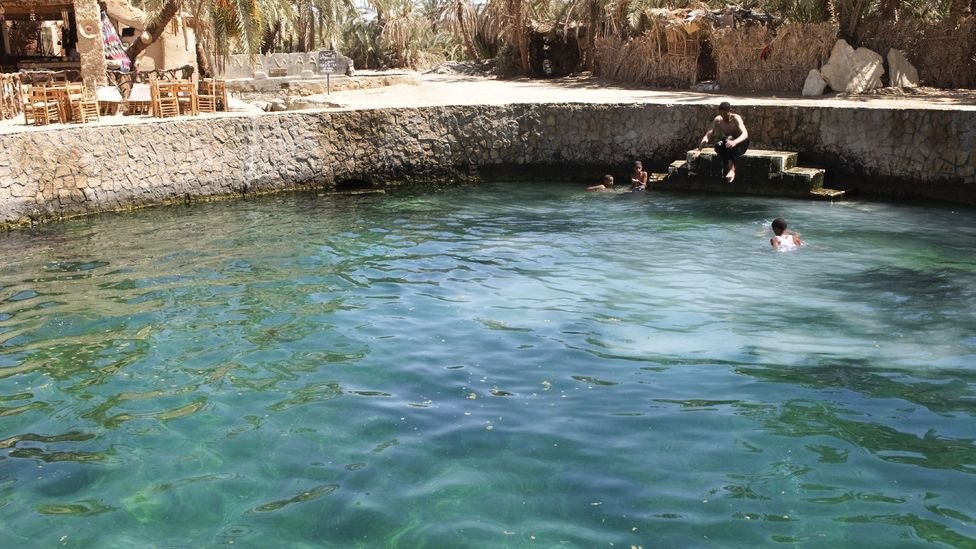
Tucked away in Egypt’s Western Desert, the hot springs in Siwa offer one of the country’s most unique and rejuvenating travel experiences. Surrounded by palm groves, salt lakes, and golden dunes, Siwa Oasis feels worlds away from the busy cities of Cairo and Alexandria. Its natural thermal springs — rich in minerals and tradition — have attracted visitors for centuries seeking relaxation, healing, and pure desert tranquility.
The Best Things To Do In Siwa
While the hot springs in Siwa are a major highlight, this remote desert oasis offers far more than thermal relaxation. Siwa is a place where nature, history, and culture blend into a peaceful and unforgettable experience.
Here are the best things to do in Siwa.
1. Soak in the Hot Springs in Siwa
No visit is complete without experiencing the famous hot springs.
Top spots include:
-
Cleopatra’s Spring – A historic stone pool fed by natural spring water
-
Fatnas Spring (Fantasy Island) – Perfect for sunset views
-
Bir Wahed – A hot spring in the middle of the desert dunes
The mineral-rich waters are believed to have therapeutic benefits for muscles and skin — and they’re incredibly relaxing after a day of exploring.
2. Visit the Siwa Salt Lakes
The turquoise salt lakes are one of Siwa’s most photogenic attractions.
Floating in these lakes feels effortless due to the high salt concentration. Many visitors describe it as similar to the Dead Sea experience — but with far fewer crowds.
3. Explore the Shali Fortress
Built in the 13th century using mud and salt rock (kershef), Shali Fortress sits at the heart of Siwa town.
Climb to the top for panoramic views over palm groves and desert landscapes — especially beautiful at sunset.
4. Discover the Temple of the Oracle
This ancient temple is one of Siwa’s most famous historical landmarks. It’s believed that Alexander the Great visited here in 331 BC to consult the oracle.
The site offers both historical significance and stunning views of the oasis.
5. Go on a Desert Safari
A 4×4 desert adventure into the Great Sand Sea is one of the most thrilling activities in Siwa.
Expect:
-
Sandboarding down golden dunes
-
Visiting desert springs like Bir Wahed
-
Sunset tea in the dunes
-
Stargazing under clear desert skies
It’s an unforgettable contrast to the calm oasis atmosphere.
6. Watch the Sunset at Fatnas Island
Fatnas Island offers one of the most magical sunset spots in Siwa.
Surrounded by palm trees and a salt lake, the sky turns shades of orange and pink as the sun dips behind the desert.
7. Experience Siwan Culture
Siwa has its own unique Amazigh (Berber) culture.
Take time to:
-
Visit local handicraft shops
-
Try traditional Siwan cuisine
-
Explore eco-lodges built from natural materials
-
Learn about Siwa’s distinctive traditions and language
From ancient temples to floating in salt lakes and soaking in the hot springs in Siwa, this oasis offers a slower, deeper kind of travel. It’s not about rushing from site to site — it’s about embracing the silence, the healing waters, and the rhythm of the desert.
Check these trips:
hot springs in siwa
The hot springs in Siwa are one of Egypt’s most unique natural attractions. Hidden within the peaceful Siwa Oasis in the Western Desert, these mineral-rich thermal waters have been used for centuries for relaxation and healing.
Surrounded by palm trees, salt lakes, and endless sand dunes, soaking in a hot spring here feels both grounding and magical.
Why Are Siwa’s Hot Springs Special?
Siwa is home to hundreds of natural springs, many of which produce warm or hot mineral water straight from underground sources.
These springs are believed to help with:
-
Muscle relaxation
-
Joint pain relief
-
Skin conditions
-
General stress reduction
The combination of warm water and desert silence creates a deeply calming experience.
Cleopatra’s Spring
Also known as Ain Juba, Cleopatra’s Spring is the most famous hot spring in Siwa.
-
Large circular stone pool
-
Natural flowing water
-
Popular with both locals and tourists
Legend says Cleopatra herself bathed here — though historians debate the story. Whether true or not, it’s a must-visit.
Bir Wahed
Located in the middle of the Great Sand Sea, Bir Wahed offers one of the most unique hot spring experiences in Egypt.
-
Hot thermal pool in the desert
-
Often combined with desert safari tours
-
Best enjoyed at sunset
Floating in warm water while surrounded by towering dunes is unforgettable.
Fatnas Spring (Fantasy Island)
Though not as hot as Bir Wahed, Fatnas offers warm spring water with breathtaking sunset views over the salt lake.
It’s ideal for relaxing after a day of exploring.
Best Time to Visit
The hot springs in Siwa are best enjoyed:
-
From October to April (cooler weather)
-
Early morning or sunset
-
After a desert safari adventure
Summer temperatures can be extremely high, making hot springs less comfortable during midday.
Tips for Visiting
-
Bring a towel and sandals
-
Stay hydrated
-
Respect local customs
-
Avoid long soaks if you’re sensitive to heat
The hot springs in Siwa are more than just a tourist attraction — they’re part of the oasis’s identity. Whether you’re seeking relaxation, healing, or a unique desert memory, these thermal waters offer an experience that feels timeless and deeply restorative.
Also check these trips:
Getting to Siwa Oasis, Egypt
Reaching Siwa Oasis is part of the adventure. Located about 750 km west of Cairo near the Libyan border, Siwa feels wonderfully remote — and that’s exactly what makes experiences like the hot springs in Siwa so special.
Here’s how to get there smoothly.
From Cairo to Siwa
By Bus (Budget-Friendly Option)
Several companies operate overnight and daytime buses from Cairo to Siwa.
-
Travel time: 8–10 hours
-
Most buses depart from Turgoman Station
-
Affordable and relatively comfortable
Overnight buses are popular, allowing you to arrive in the morning ready to explore.
By Private Car (Most Comfortable Option)
Hiring a private car or arranging transport through a tour company is the easiest and fastest way.
-
Travel time: 7–8 hours
-
Flexible departure times
-
More comfortable for families or small groups
The desert highway is generally smooth, with scenic stretches along the way.
From Alexandria to Siwa
If you’re already in Alexandria:
-
Travel time: 7–8 hours by bus or car
-
Slightly shorter distance than from Cairo
This is a convenient option for travelers combining coastal and desert destinations.
Is There a Flight to Siwa?
Currently, there are no regular commercial flights to Siwa. The nearest major airports are:
-
Cairo International Airport
-
Borg El Arab Airport (Alexandria)
From there, road travel is required.
Best Time to Travel
The road journey is most comfortable between October and April, when temperatures are cooler.
Summer travel is possible, but daytime heat can be intense.
Travel Tips
-
Bring snacks and water for the journey
-
Download offline maps (signal can be limited in desert areas)
-
Plan fuel stops in advance if self-driving
-
Book transportation ahead during peak winter season
Getting to Siwa may take time, but that’s part of its charm. The oasis remains peaceful and less crowded precisely because it requires effort to reach. Once you arrive — and sink into the soothing hot springs in Siwa — the journey feels completely worth it.
Read:
First Impressions of Siwa Oasisa
Arriving in Siwa feels like stepping into another world. After hours of desert highway, the landscape suddenly shifts — endless sand gives way to palm groves, shimmering salt lakes, and mud-brick buildings rising quietly from the earth. It’s calm, raw, and refreshingly different from Egypt’s busy cities.
Before even reaching the famous hot springs in Siwa, you notice something special: the silence.
A Slower Rhythm of Life
Siwa moves at its own pace.
There are:
-
No traffic lights
-
Few large hotels
-
More bicycles and tuk-tuks than cars
Time feels slower here. Locals greet each other in the Siwan Amazigh language, and daily life revolves around agriculture, crafts, and community.
A Unique Architectural Style
One of the first things visitors notice is the distinct architecture.
Traditional homes are built from kershef, a mixture of salt rock and mud. The earthy tones blend seamlessly with the desert surroundings, giving the town a natural, organic look.
At sunset, Shali Fortress glows golden above the palm trees — a view that instantly sets the mood.
The Contrast of Water and Desert
Perhaps the most striking first impression is the contrast.
-
Crystal-clear salt lakes reflecting the sky
-
Dense palm groves
-
Vast sand dunes stretching beyond the horizon
It feels improbable — an oasis thriving in the middle of arid desert.
Warm Hospitality
Siwa’s community is known for its welcoming spirit. Many eco-lodges and guesthouses are family-run, offering:
-
Home-cooked meals
-
Rooftop sunset views
-
Personalized desert tours
It feels less commercial and more personal.
A Sense of Escape
Unlike Cairo or Luxor, Siwa doesn’t overwhelm you with monuments. Instead, it invites you to slow down, breathe, and reconnect — whether floating in salt lakes or soaking in the hot springs in Siwa under open desert skies.
First impressions of Siwa Oasis are often described the same way: peaceful, authentic, and unexpectedly beautiful. It’s not just a destination — it’s a retreat from the modern rush.
Mesmerising Salt Pools of Siwa Oasis
While many travelers visit for the hot springs in Siwa, the salt pools are equally breathtaking. Scattered across the oasis, these natural turquoise lakes look almost surreal against the golden desert backdrop.
At first glance, the color doesn’t seem real.
Why Are the Salt Pools So Blue?
The vibrant shades of blue and green come from:
-
Extremely high salt concentration
-
Mineral-rich water
-
Sunlight reflection against white salt edges
The contrast between white salt crusts and crystal-clear water creates a natural infinity-pool effect — no filter needed.
Floating Effortlessly
One of the most unforgettable experiences is floating.
Thanks to the high salinity, your body stays buoyant with almost no effort — similar to the Dead Sea. It’s relaxing, slightly surreal, and perfect for travelers looking to unwind.
Many visitors alternate between:
-
Floating in the salt pools
-
Rinsing off in fresh water
-
Soaking later in the hot springs in Siwa
It becomes a full natural spa day.
Health Benefits of Salt Pools
Locals and visitors believe the salt lakes can help with:
-
Skin conditions
-
Muscle recovery
-
Detoxification
-
Stress relief
The mineral content leaves your skin feeling smooth and refreshed.
Best Time to Visit
For the most magical experience:
-
Visit during late afternoon
-
Stay for sunset reflections
-
Avoid peak midday heat
Golden hour transforms the pools into glowing mirrors of the desert sky.
Tips for Visiting the Salt Pools
-
Avoid shaving 24 hours before swimming (salt can sting)
-
Bring fresh water to rinse off
-
Wear sandals — salt crystals can be sharp
-
Protect your eyes from splashes
The mesmerising salt pools of Siwa Oasis are more than just beautiful — they’re calming, healing, and unforgettable. Combined with the famous hot springs in Siwa, they make this remote desert oasis feel like nature’s own wellness retreat.
Where to Stay in Siwa Oasis?
Choosing the right accommodation can completely shape your experience in Siwa. Unlike major Egyptian cities, Siwa doesn’t focus on large chain hotels. Instead, it’s known for eco-lodges, boutique guesthouses, and desert-style retreats — all designed to blend naturally with the landscape.
If you’re visiting for the famous hot springs in Siwa, staying somewhere peaceful and authentic enhances the experience even more.
Eco-Lodges: The Authentic Siwa Experience
Siwa is famous for its eco-friendly lodges built from natural materials like salt rock and mud brick (kershef).
These properties often offer:
-
Traditional Siwan architecture
-
Rooftop sunset terraces
-
Organic, home-cooked meals
-
Minimalist rooms (sometimes without TVs)
It’s about disconnecting and embracing the desert atmosphere.
Adrère Amellal (High-End Eco Luxury)
For travelers seeking a unique luxury experience, Adrère Amellal is Siwa’s most iconic eco-lodge.
-
Built entirely from natural materials
-
No electricity (candle-lit evenings)
-
Private desert setting
-
Personalized service
It’s ideal for couples and travelers looking for something unforgettable and off-grid.
Mid-Range Boutique Hotels
If you prefer more comfort while keeping the oasis vibe, several boutique hotels offer:
-
Air-conditioned rooms
-
Swimming pools
-
Modern bathrooms
-
On-site restaurants
These are great options if you’re visiting during warmer months.
Budget Guesthouses
Siwa also has affordable guesthouses perfect for backpackers or solo travelers.
Expect:
-
Simple but clean rooms
-
Friendly local hosts
-
Easy access to the town center
They provide a cozy base for exploring salt lakes and the hot springs in Siwa.
Best Area to Stay
Most accommodations are located near:
-
Siwa town center
-
Palm groves
-
Salt lakes
Staying centrally allows easy access to restaurants, Shali Fortress, and desert tour departures.
Where you stay in Siwa Oasis should match the kind of experience you’re seeking — rustic and unplugged, boutique comfort, or eco-luxury. No matter your choice, waking up surrounded by palms and desert silence makes every stay feel special — especially after a soothing evening at the hot springs in Siwa.
Where To Eat in Siwa?
Dining in Siwa is part of the experience. The food here reflects the oasis lifestyle — fresh, simple, and deeply rooted in local Amazigh traditions. After a relaxing soak in the hot springs in Siwa, sitting down to a hearty, home-cooked meal feels especially satisfying.
Here’s where to eat in Siwa.
Abdu Restaurant
One of the most well-known restaurants in Siwa town.
Why visitors like it:
-
Authentic Egyptian and Siwan dishes
-
Grilled meats and tagines
-
Affordable prices
-
Casual, welcoming atmosphere
It’s a reliable choice for both lunch and dinner.
Ali Baba Restaurant
A popular spot for traditional meals with generous portions.
Expect:
-
Kofta and grilled chicken
-
Fresh salads and tahini
-
Vegetarian-friendly options
-
Rooftop seating in some locations
Simple, flavorful, and consistent.
Kenooz Restaurant & Café
If you’re looking for something slightly more modern:
-
Smoothies and fresh juices
-
Pasta and light bites
-
Comfortable café-style seating
-
Great for breakfast or a relaxed lunch
Perfect for a break between sightseeing and salt lake visits.
Local Eco-Lodge Dining
Many eco-lodges offer some of the best food in Siwa.
Meals often include:
-
Organic vegetables from local farms
-
Traditional Siwan bread
-
Slow-cooked tagines
-
Dates, olives, and olive oil produced locally
Dining here feels intimate and authentic — often under candlelight or on rooftop terraces.
Try These Local Specialties
When eating in Siwa, don’t miss:
-
Siwan tagine (slow-cooked meat or vegetables)
-
Olives and olive oil (Siwa is famous for them)
-
Dates — some of the best in Egypt
-
Fresh hibiscus or mint tea
Where to eat in Siwa isn’t about flashy restaurants — it’s about flavor, freshness, and atmosphere. Whether you’re dining in a cozy town café or under the stars at an eco-lodge, the food adds to the oasis charm.
After exploring the desert and soaking in the hot springs in Siwa, a warm local meal completes the experience perfectly.
Can you swim in Siwa Oasis?
Yes — absolutely. Swimming is one of the highlights of visiting Siwa. From the famous hot springs in Siwa to the surreal turquoise salt lakes, the oasis offers several unique places where you can safely get into the water.
However, each spot offers a different experience.
Swimming in the Salt Lakes
The salt lakes are the most popular swimming locations in Siwa.
Because of the extremely high salt concentration:
-
You float effortlessly
-
It feels similar to the Dead Sea
-
It’s nearly impossible to sink
The water is clean, clear, and incredibly photogenic. Just remember not to splash — salt water can sting your eyes.
Swimming in the Hot Springs in Siwa
Yes, you can swim (or soak) in many of Siwa’s natural hot springs.
Popular options include:
-
Cleopatra’s Spring
-
Bir Wahed (desert hot spring)
-
Other smaller local springs
These are more about relaxing than active swimming. The warm, mineral-rich water is perfect for soaking tired muscles.
Are the Waters Safe?
Generally, yes — but it’s always wise to:
-
Shower after swimming in salt lakes
-
Avoid swallowing water
-
Check local advice about specific springs
-
Wear sandals near rocky edges
Most springs and lakes are safe and frequently visited by locals and tourists alike.
Best Time to Swim
-
Salt lakes are ideal during the day
-
Hot springs are best at sunset or cooler evenings
-
Winter (October–April) offers the most comfortable temperatures
Summer can be extremely hot, making midday swims less pleasant.
So, can you swim in Siwa Oasis? Definitely. Whether floating in crystal-clear salt pools or soaking in the hot springs in Siwa, water is at the heart of this desert paradise — and it’s one of the most unforgettable parts of the experience.
Is Black Rock Hot Springs free?
If you’re researching the hot springs in Siwa, you may come across mentions of lesser-known desert springs often referred to as “Black Rock” hot springs. The short answer is: most natural hot springs in Siwa are either free or require a very small local fee — but it depends on the exact location and who manages the area.
Are There Entrance Fees?
In general:
-
Some springs are completely free to access
-
Others may charge a small maintenance or access fee
-
Desert springs reached via safari tours are usually included in the tour price
If the spring is located on private land or maintained by locals, a modest fee may apply to help with upkeep.
What About Bir Wahed?
Bir Wahed — one of the most famous desert hot springs near Siwa — is typically accessed as part of a 4×4 desert safari. In this case:
-
You don’t pay separately for the spring
-
It’s included in the overall tour package
There isn’t usually a standalone ticket booth in the middle of the desert.
Things to Keep in Mind
Because Siwa is a small, community-based destination:
-
Fees can change
-
Management may be informal
-
It’s good practice to carry small cash
Supporting local caretakers helps preserve these natural sites.
So, is Black Rock Hot Springs free? In most cases, yes — or it costs very little. Like many of the hot springs in Siwa, access is simple and community-managed, making the experience feel natural and authentic rather than commercialized.
Also read:
FAQ
Are the hot springs in Siwa natural?
Yes, the hot springs in Siwa are completely natural. The oasis sits above underground water sources that feed mineral-rich thermal springs, many of which have been used for centuries.
What is the most famous hot spring in Siwa?
Cleopatra’s Spring is the most well-known. It’s a circular stone pool with continuously flowing natural water and is easily accessible from Siwa town.
Are Siwa’s hot springs safe to swim in?
Generally, yes. Most springs are safe for soaking and swimming. However, visitors should avoid swallowing the water and always rinse off after bathing, especially if combining with salt lake swims.
What should I bring to the hot springs?
It’s recommended to bring:
-
A towel
-
Flip-flops or sandals
-
Drinking water
-
A change of clothes
-
Small cash (in case of local access fees)
What is the best time to visit the hot springs in Siwa?
The ideal time is between October and April when temperatures are cooler. Sunset is especially beautiful, particularly at desert springs like Bir Wahed.
Do the hot springs have health benefits?
Many visitors believe the mineral-rich waters help with muscle relaxation, joint pain, and skin conditions. While not medically certified treatments, they are widely considered therapeutic.
Is there an entrance fee for Siwa hot springs?
Some springs are free, while others may require a small local fee for maintenance. Desert springs are usually included in guided safari tours.
Conclusion


Leave a Reply